Beginner camping in Quebec: your passport to adventure
Do you dream of sleeping under the stars, waking up to birdsong, and experiencing that unique connection with nature? Beginner camping in Quebec is exactly that – and so much more! After 15 years exploring our wild territories and sleeping in a tent more often than in my bed, I can tell you one thing: your first night camping will probably be memorable... for both good AND not-so-good reasons. But hey, that's what makes it fun! Every experienced camper has stories of forgotten gear, tents set up backwards, or surprise wake-up calls from curious raccoons. The important thing is to start somewhere, and Quebec offers perfect conditions for your first camping adventures. In this complete guide, I'll share everything I wish I'd known before my first camping trip. From preparing your gear to the best places to start, including classic mistakes to avoid – we'll cover it all together.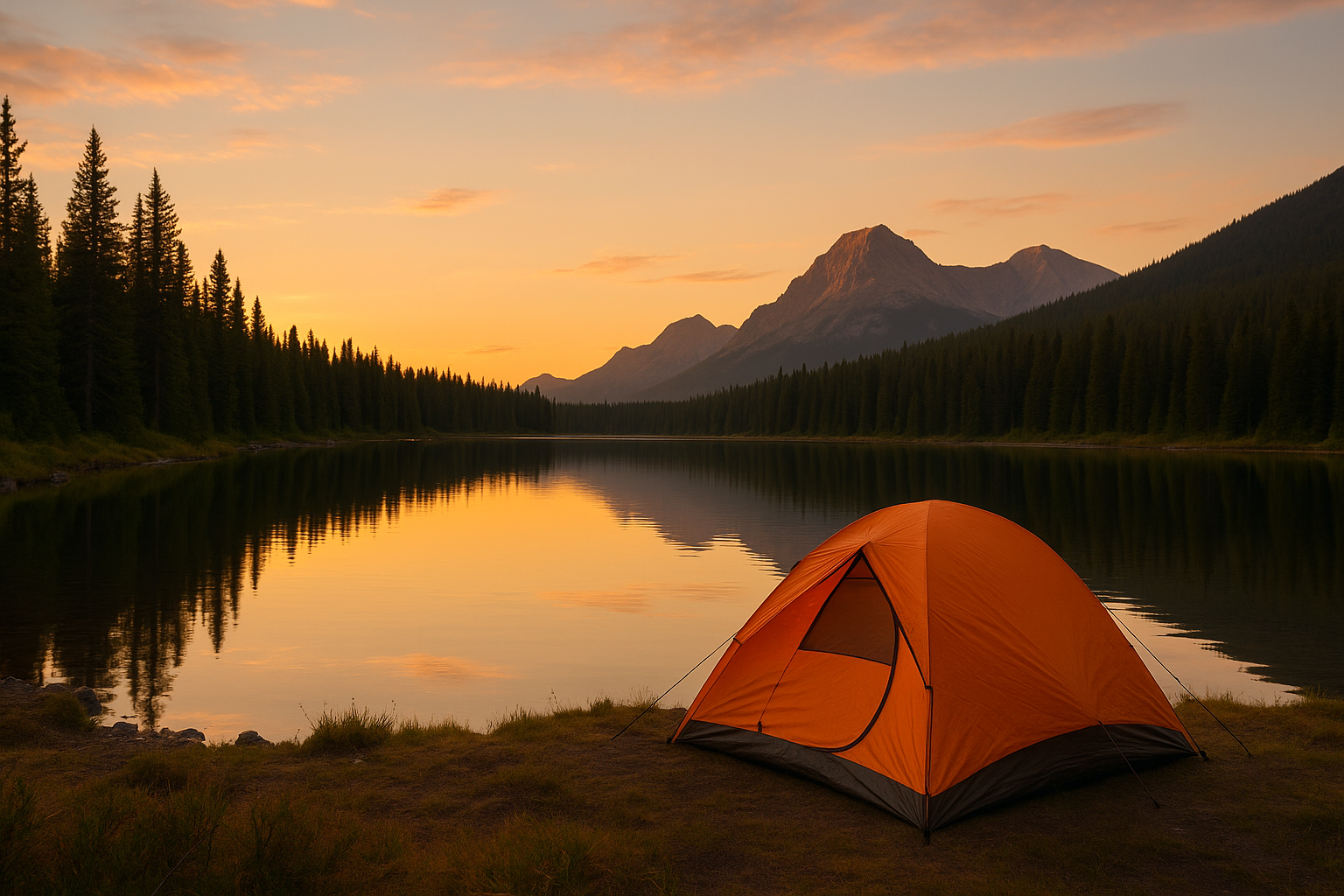
📥 Download our free gifts — Camping checklists, PDF guides and expert tips to make your first nature adventures a success.
Get my gifts →
Get my gifts →
Essential gear: what you REALLY need
Let's talk gear. And no, you don't need to empty your bank account at the outdoor gear store! For my first camping trip, I borrowed a tent from my uncle that dated back to the 80s and a sleeping bag from my little brother. It worked... let's say I survived!The magic trio: shelter, warmth, comfort
Your tent – It's your temporary home. To start, a 3-season tent for 2-3 people works perfectly, even if you're camping alone. It gives you space for your gear and it's more comfortable. Look for something easy to set up – trust me, you don't want to fight with complicated poles when it starts raining. Your sleep system – A good sleeping bag adapted to Quebec temperatures and a decent sleeping pad. The pad isn't a luxury: it insulates you from the cold and from rocks that magically appear under your back during the night!
💡 Pro tip — Always test your gear in your backyard before leaving. I've seen too many campers discover their tent had missing pieces once they got to their site!
Cooking and survival gear
| Equipment | Priority | Beginner budget |
|---|---|---|
| Portable stove + fuel | Essential | $30-60 |
| Basic cooking utensils | Essential | $20-40 |
| Headlamp + spare batteries | Essential | $15-30 |
| First aid kit | Important | $25-50 |
| Rope and tarp | Useful | $15-25 |
Where to take your first steps: the best spots for beginners
Choosing your first campground is crucial. You want something accessible, not too isolated, with basic services. Think of it like learning to drive: you don't start on Highway 20 on a Friday night!National parks: your best beginner friend
SÉPAQ parks are perfect for starting out. They offer different comfort levels, toilets, often showers, and on-site staff if you have questions. Parc national du Mont-Saint-Bruno is excellent for beginners if you're in the Montreal area. For those near Quebec City, Canyon Sainte-Anne offers camping options in a spectacular setting. You can even combine camping and hiking to maximize your experience!
📌 Good to know — Always book in advance, especially for summer weekends. Quebecers love camping, and good spots fill up fast!
Wild camping vs developed camping
For your first attempts, stick to developed campgrounds. Wild camping is fantastic, but it requires more experience and equipment. You'll have plenty of time to venture further when you master the basics. Advantages of developed camping for beginners:Mastering the basics: fire, water and safety
Now that we've covered equipment and locations, let's talk about the basic skills every camper must master. This is where it gets really fun!The art of the perfect campfire
A good campfire is the soul of your camping experience. It warms, lights, cooks your food and creates that magical atmosphere we're all looking for. But be careful – always respect fire bans and park regulations. My favorite technique for beginners: 1. Prepare your fire pit: use existing sites when possible 2. Gather your wood: small kindling, medium wood, large logs 3. Tipi structure: start small and add gradually 4. Keep water nearby: always, ALWAYS have something to extinguish with
⚠️ Warning — Make sure your fire is completely extinguished before sleeping or leaving your site. Stir the ashes and water them until they're cold to the touch.
Water and food management
Water is life when camping. Bring more water than you think you need – it's heavy, but essential. For food, start simple: stuff that keeps well and is easy to prepare. My suggestions for first camping trips: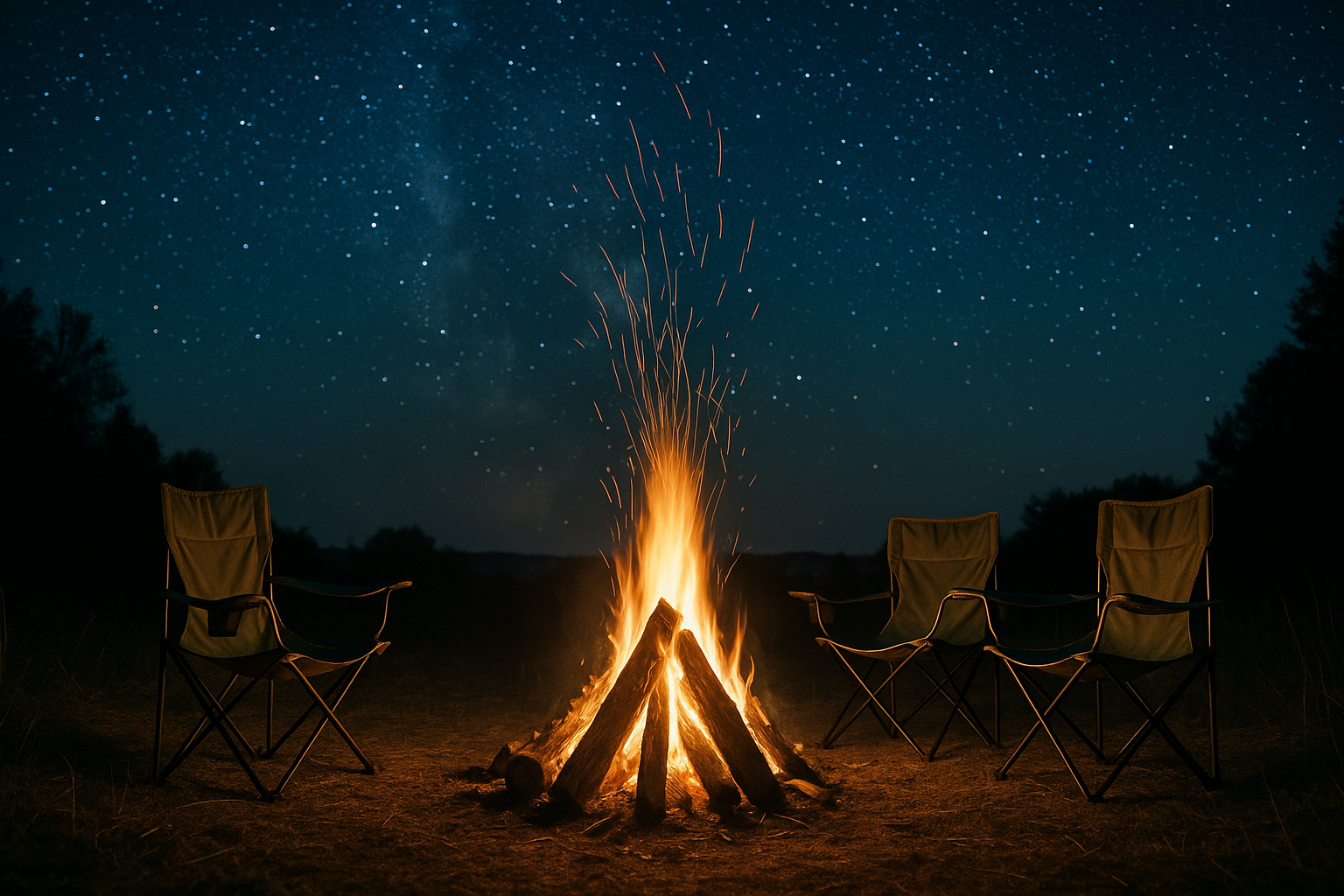
Making your first night a success: practical tips
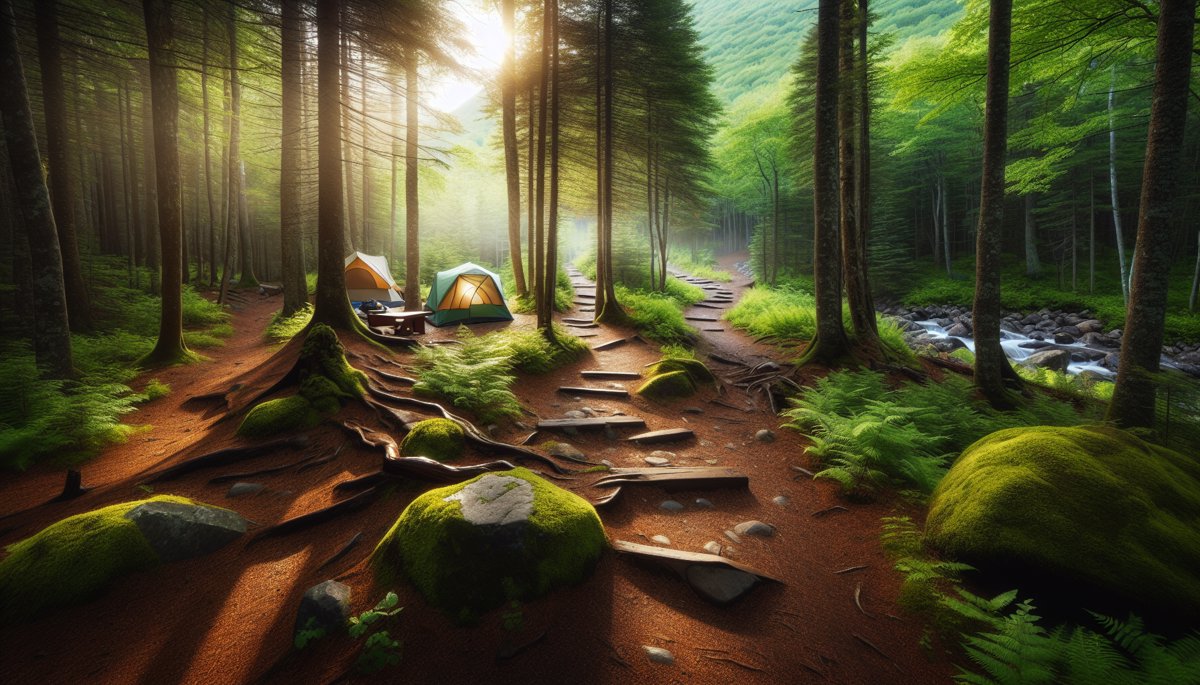
Your first night camping is a rite of passage. I still remember mine: I heard ALL the forest sounds and was convinced a bear was prowling around my tent. Spoiler alert: it was probably a squirrel!Setting up your campsite
Arrive early – Ideally, 2-3 hours before sunset. This gives you time to set up calmly, explore a bit and prepare your dinner without stress. Choose your spot intelligently:
💡 Pro tip — Walk around your site before dark. Note where obstacles are, roots, the path to toilets. It prevents nighttime accidents!
Managing small nighttime challenges
Nature sounds are normal. Quebec animals are generally more afraid of you than you are of them. A few tricks for better sleep:Coexisting with Quebec wildlife
Let's talk about the real deal: wildlife. Quebec is home to black bears, wolves, moose and tons of other wild animals. But before you panic and cancel your trip, know that problematic encounters are rare if you respect a few basic rules.Prevention: your best tool
Food management – This is the most important point. Animals associate humans with food, and that's where it becomes problematic. Store ALL your food, garbage, even your toothpaste and soap. Make noise – When hiking around your campsite, talk, sing, clap your hands. Animals prefer to avoid you, but they need to know you're coming.| Animal | Encounter probability | Recommended reaction |
|---|---|---|
| Black bear | Low | Back away slowly, speak calmly, don't run |
| Moose | Medium | Keep your distance, especially during rutting season |
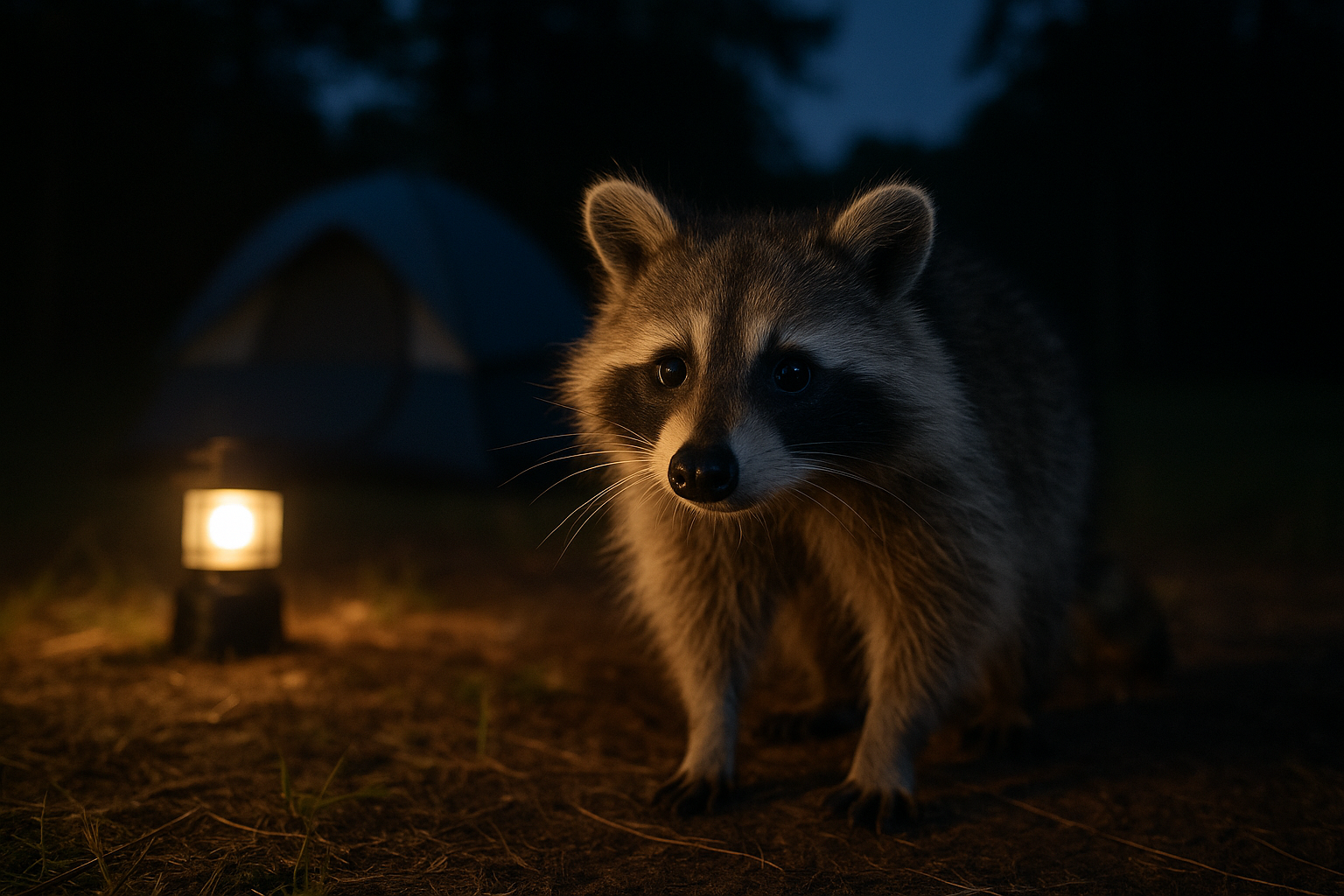
| Raccoon | High | Protect your food, admire from afar |
| Porcupine | Medium | Leave it alone, it's doing its thing |
⚠️ Warning — NEVER feed wild animals. It's dangerous for you and often condemns them to death. An animal used to humans becomes a problem animal.
Adapting to Quebec weather
Quebec weather is like our roads: unpredictable and changes fast! I've had camping trips where I experienced all four seasons in 48 hours. No joke, snow in June in Charlevoix exists!Expecting the unexpected
Layering system – Dress in onion layers. Base layer that wicks moisture, insulating layer for warmth, outer layer against wind and rain. Rain gear – Not just a cheap little poncho. A good rain jacket and waterproof pants can save your trip. And protect your gear with waterproof bags. Indoor Plan B – Always have activities for inside your tent. Books, card games, downloaded podcasts. Because staying 6 hours in a tent under the rain with nothing to do is damn long!
📌 Good to know — Check weather forecasts until the last minute before departure. And add 20% chance of rain to what Environment Canada announces. I've been doing this for 15 years and I'm rarely wrong!
If you want to combine your camping with hiking, our guide for preparing your first spring hike covers seasonal weather challenges well.
Camping cuisine: simple and tasty
Eating while camping isn't just canned beans and burnt hot dogs! With a little planning, you can feast while keeping it simple.Camping kitchen essentials
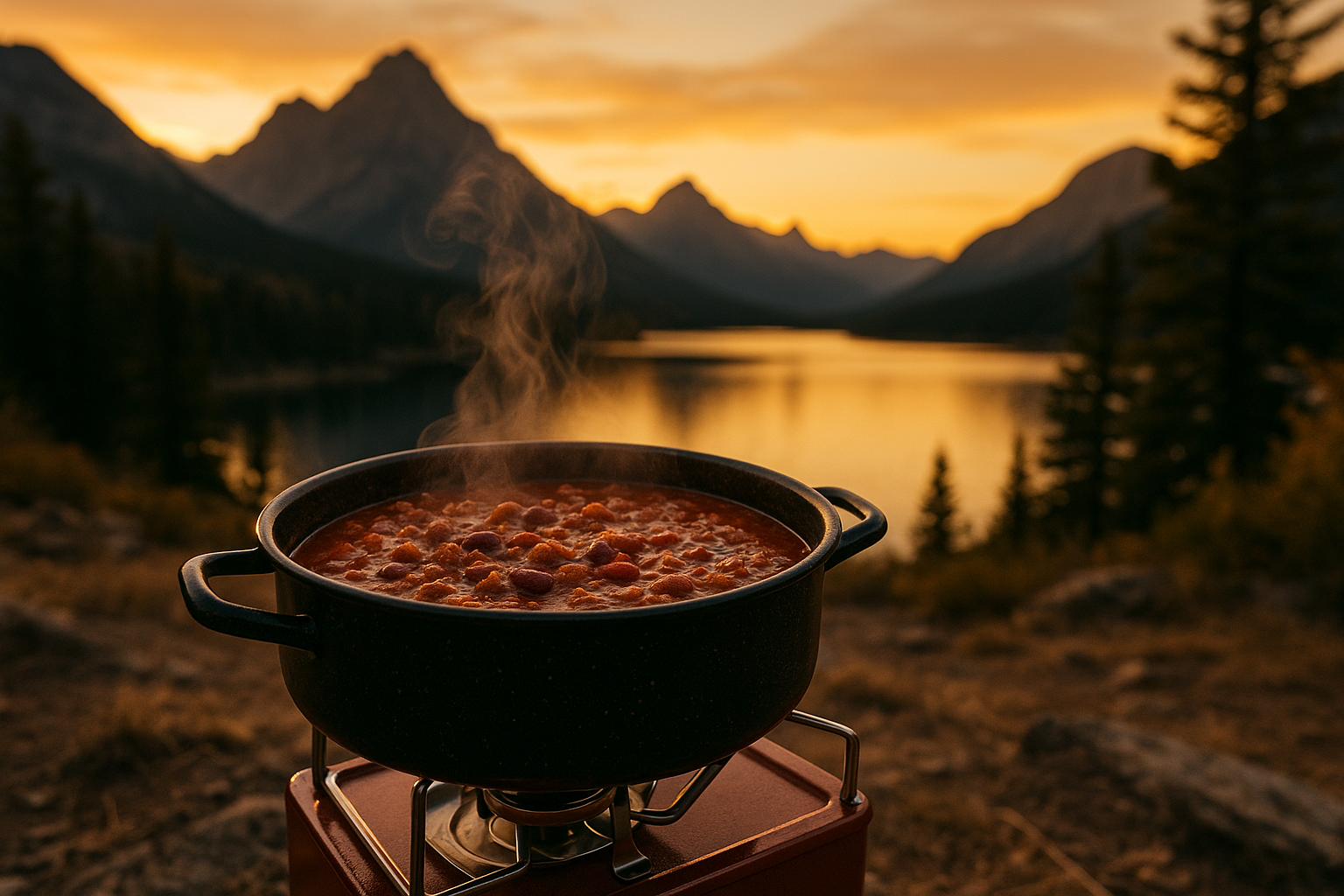
Meal planning – Prepare your menus in advance. Think of meals that share ingredients to avoid waste. My classics: chili con carne, pasta with sauce, egg breakfasts. Home preparation – Cut your vegetables, marinate your meat, pre-mix your spices. The more you prepare at home, the less work you have camping and the less waste you generate. Fire cooking vs stove – Both have their advantages. Fire for ambiance and big dishes, stove for precision and when fire is prohibited. My favorite easy recipes for beginners:"The best meal of my life was overcooked pasta eaten with a plastic fork by a lake in Charlevoix. It was raining, I was soaked, but I was exactly where I wanted to be."
Classic mistakes (and how to avoid them)
After years of seeing beginner campers and making my own mistakes, I've compiled the list of classics. If you avoid these traps, you'll save your first camping trip!Equipment mistakes
Too much stuff – The "you never know" syndrome. Your first trip, you'll bring 3 times too much stuff. It's normal, we all go through it. But try to resist the urge to take things "just in case". Not enough light – A cheap headlamp with half-dead batteries. Recipe for disaster. Invest in a good lamp and bring spare batteries. Wrong shoes – White running shoes for a camping weekend... I've seen all kinds! Bring shoes that can get dirty and that handle moisture.Planning mistakes
| Mistake | Consequence | Solution |
|---|---|---|
| Arriving late Friday night | Setting up in the dark, stress | Leave early or arrive Saturday morning |
| No weather Plan B | Weekend ruined by rain | Indoor activities planned |
| Forgetting the can opener | Dinner based on granola bars | Tested equipment checklist |
| Underestimating nighttime cold | Sleepless night shivering | Check minimum temperatures |
💡 Pro tip — Do a test camping in your yard or at a friend's before your first real trip. It lets you test your gear and discover what you forgot without being 2 hours drive from civilization.
Expanding your horizons: after your first camping trips
Once you've tasted the magic of camping, you'll want to explore more. That's where it gets really exciting!Natural progression
Rustic camping – Fewer services, more intimacy with nature. You keep car access, but you lose showers and sometimes electricity. Canoe camping – Combining canoeing and camping opens up incredible territories. The lakes of Parc de La Vérendrye or Algonquin Park are perfect for this. Winter camping – Yes, you can camp in winter in Quebec! It requires more equipment and experience, but it's a unique experience.Developing your skills
As you progress, you'll want to learn:
Ready for adventure!
There you have it, you now have all the keys to succeed at your first camping trips in Quebec! Let's recap the essential points: • Start simple: basic equipment, developed camping, favorable weather • Prioritize safety: food management, wildlife respect, emergency plan • Learn from your mistakes: each trip teaches you something new • Respect nature: Leave No Trace isn't just a slogan • Progress gradually: from developed to rustic, then to adventure Camping is much more than a way to spend the night outdoors. It's a gateway to a deeper relationship with our beautiful Quebec nature. It's the chance to slow down, disconnect (really), and rediscover simple pleasures we tend to forget in our urban daily life. Your first camping trip might be imperfect. You'll probably forget something important, you might sleep poorly the first night, and there will surely be a moment when you wonder why you didn't stay in your cozy bed. But I guarantee that when you fold your tent Sunday morning, you'll already be planning your next trip. So what are you waiting for? Choose a weekend, book your site, prepare your gear and go for it! Quebec nature is waiting for you, and it has so many wonders to show you. ⛺
About the author
François Dumaine
Founder of Let's Go Play Outside
A passionate hiker, photographer and content creator, François has been hiking the trails of Quebec and Alberta since 2014. He founded Let's Go Play Outside to give you the information he wished he had before heading out.
Newsletter
Content that makes you want to go outside
Every week, a trail idea, a reflection on nature, or a tip worth the detour. Zero spam. Only the essentials.
Joined by 12,000+ outdoor enthusiasts
Read next
Continue the journey