📌 Good to know — This article covers basic techniques for emergency situations in nature. It doesn't replace complete survival training, but can make the difference if you find yourself in trouble.
I still remember that outing in Charlevoix where everything went wrong. Thick fog, lost trail, temperature dropping... and me with just a water bottle and a few energy bars. That night, I understood that knowing nature survival techniques isn't paranoia, it's life insurance for any self-respecting hiker.
After 15 years exploring Quebec's trails and seeing adventurers in all sorts of trouble, I've gathered here the essential techniques that can save your skin. No apocalyptic scenarios — just practical skills to turn a bad day into a simple story to tell.
📥 Download our free gifts — Safety checklists, emergency guides and tools to be better prepared in nature.
Get my gifts →
Get my gifts →
The 4 survival priorities (and why order matters)
In an emergency situation, your brain will panic. That's normal. But if you remember one thing from this article, let it be the rule of 4 priorities: 1. Immediate safety (avalanche, animal, fall) 2. Shelter (hypothermia = danger #1 in Quebec) 3. Signaling (let people know where you are) 4. Water (then food, but it's less urgent than we think) I've seen too many people waste precious time looking for food while they were already shivering. Hypothermia can kill you in a few hours — hunger takes weeks.Assess the situation without panicking
Sit down. Breathe. Take stock:
💡 Pro tip — STOP rule: Sit, Think, Observe, Plan. I've used this technique since my beginnings and it's saved me from many impulsive mistakes.
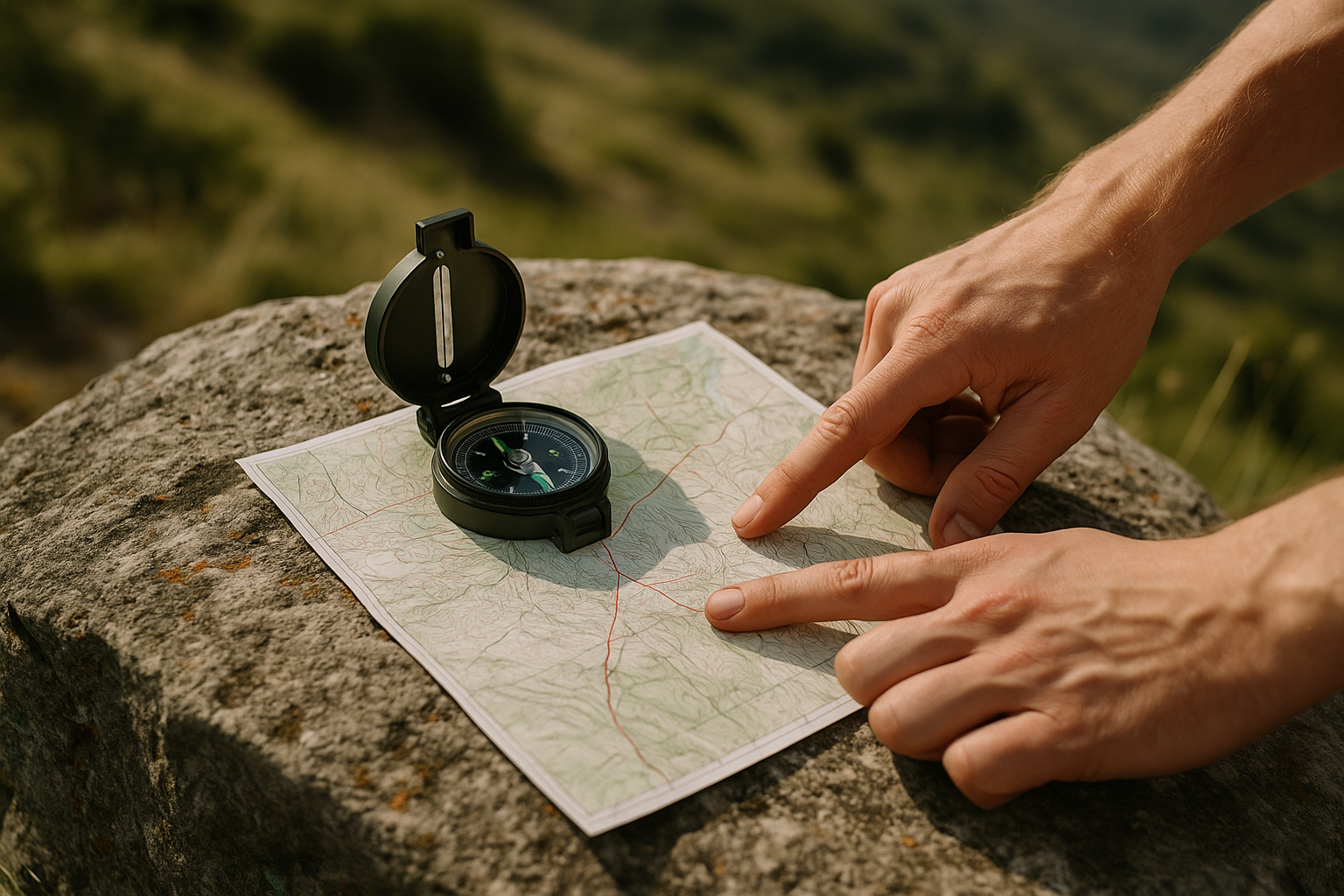
Building a life-saving shelter
In Quebec, shelter is your absolute priority as soon as the sun starts to set. I spent a night at -15°C with just a branch shelter — not comfortable, but alive.The lean-to shelter: simple and effective
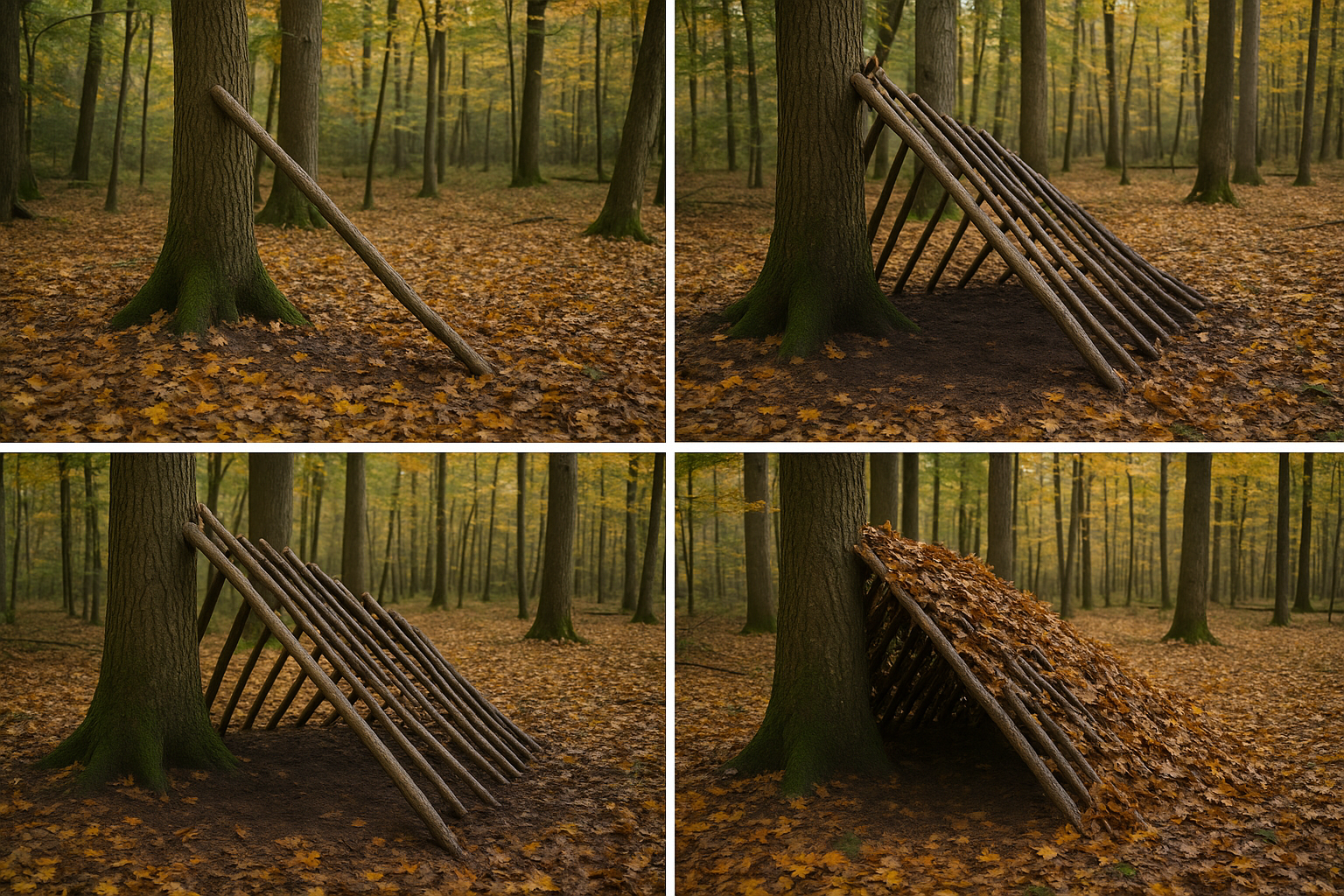
This is my favorite for beginners: 1. Find a fallen trunk or large branch at hip height 2. Lean it against a solid tree at 45° 3. Cover one side with branches, leaves, moss — thick! 4. Insulate the ground with everything you can find (leaves, branches)| Shelter type | Construction time | Ideal conditions |
|---|---|---|
| Lean-to | 1-2 hours | Forest, abundant materials |
| Debris hut | 2-3 hours | All seasons, very insulating |
| Quinzhee (snow) | 3-4 hours | Winter, powder snow |
Insulation: the detail that changes everything
Cold comes from the ground as much as from the air. I learned this the hard way at Mont du Lac des Cygnes — even with a good shelter, without ground insulation, you'll shiver all night. Pile at least 30 cm of insulating material under you: dead leaves, pine needles, moss, flexible branches.
⚠️ Warning — Avoid sleeping directly on rock or bare earth. Your body can lose up to 25 times more heat through conduction with cold ground.
Making fire when your life depends on it
Fire means warmth, morale and signaling in one. But making fire under stress with wet matches is another story.The fire nest method
Prepare everything before lighting anything: Tinder (material that catches fire easily):Techniques without matches
If your matches are ruined, don't panic. These techniques require practice, but they work: Flint and steel (or hard metal): sparks toward prepared tinder Fire bow: ancestral technique, effective but physically demanding Lens: magnifying glass, glasses, even bottle bottom in sunny weather
💡 Pro tip — Always carry waterproof matches AND a backup lighter in a separate pouch. Redundancy saves lives. I always have one in my first aid kit.
Discover how to properly prepare before leaving to avoid these emergency situations.
Signaling effectively to rescuers
Being found quickly can make the difference between an uncomfortable night and a tragedy. Signaling is an art we too often neglect.Visual signals that work
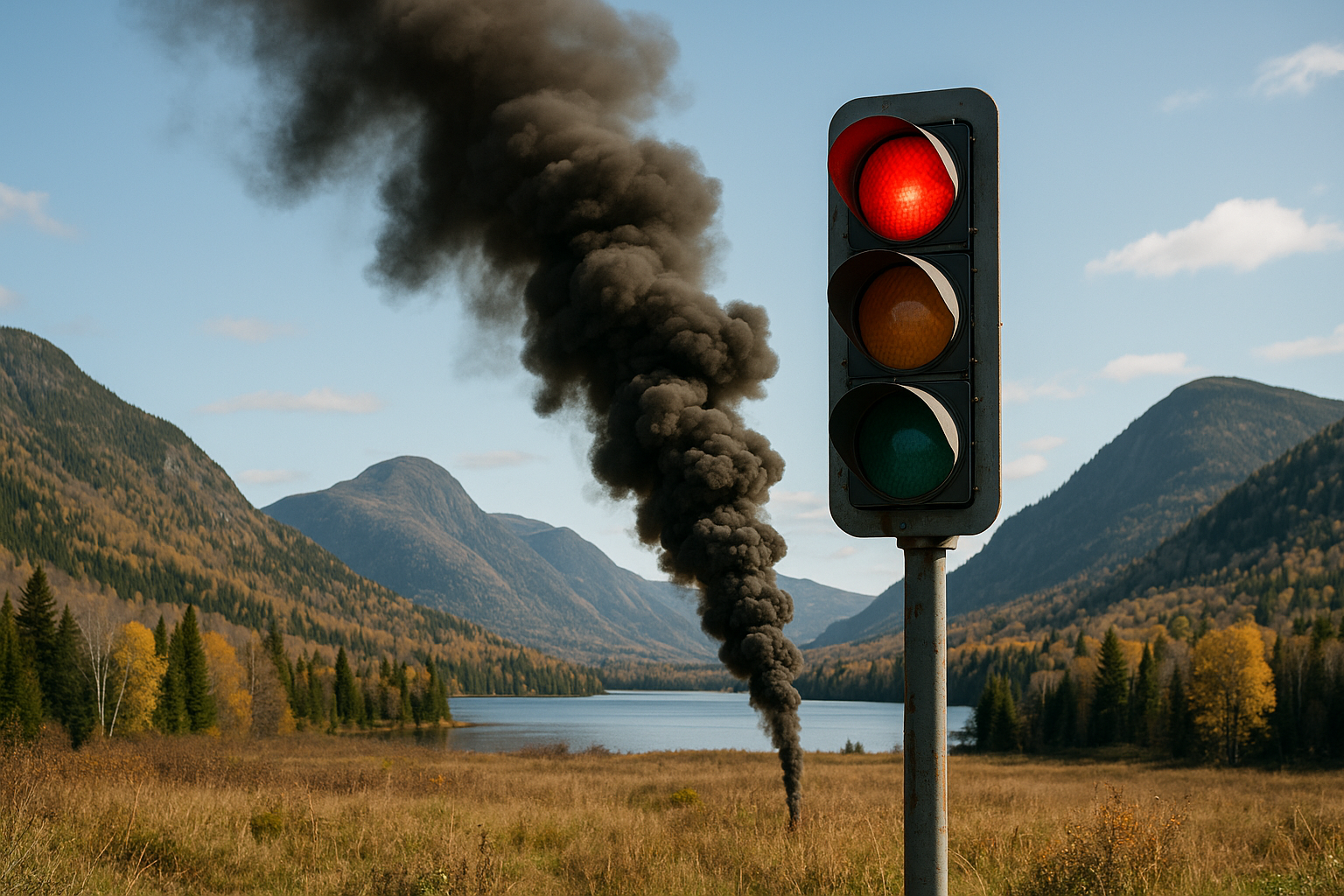
Signal fire:Sound signals
Three repeated blasts = universal distress:| Signal | Day range | Night range | Energy required |
|---|---|---|---|
| Whistle | 1-2 km | 1-2 km | Low |
| Fire/smoke | 5-10 km | 15+ km | Moderate |
| Mirror | 15+ km | N/A | Very low |
Finding and purifying drinking water
Water is life. You can last 3 weeks without eating, but only 3 days without drinking. In Quebec, we're lucky to have water everywhere... but it's not always potable.Water sources in order of preference
1. Mountain springs and streams (running water, far from inhabited areas) 2. Lakes away from human activities 3. Rainwater collected cleanly 4. Dew (laborious but pure) 5. Downstream waterways (last resort)
⚠️ Warning — Even the clearest water can contain parasites. I got giardiasis after drinking from a "perfect" stream in the Laurentians. Always purify.
Emergency purification methods
Boiling (most reliable):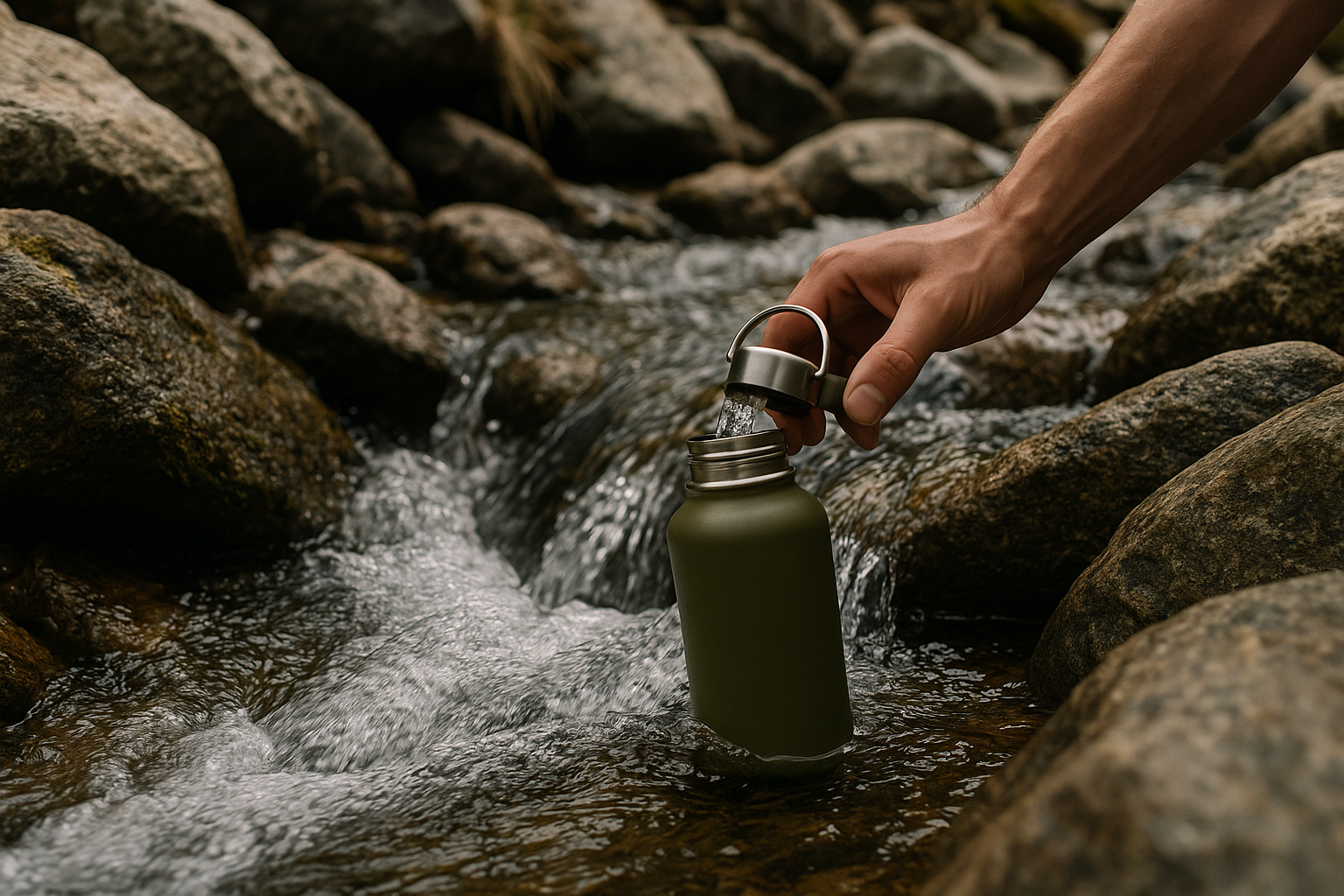
Survival food: the essentials without risk
Food is the last of your worries in short-term survival. But after 2-3 days, morale and energy drop. Some basic knowledge can help.Common edible plants in Quebec
WARNING: NEVER eat a plant you don't identify 100%. When in doubt, abstain. Safe and easy plants:Emergency protein
Insects (I know, it's weird):
💡 Pro tip — Focus your energy on shelter and signaling rather than hunting. You'll burn more calories chasing a squirrel than you'll gain eating it.
"In survival, your brain is your best tool. Keep it fed with hope and concrete plans, not panic and regrets."
Emergency navigation without GPS
Your phone is dead, your GPS kaput. Don't panic — our ancestors explored the world without satellites, you can find your way too.Orienting with the sun
The shadow trick: 1. Plant a straight stick in the ground 2. Mark the tip of its shadow 3. Wait 15-20 minutes, mark the new position 4. The line between the two points goes east to west 5. North is perpendicular to this line Watch method (if you have an analog watch):Night navigation
North Star: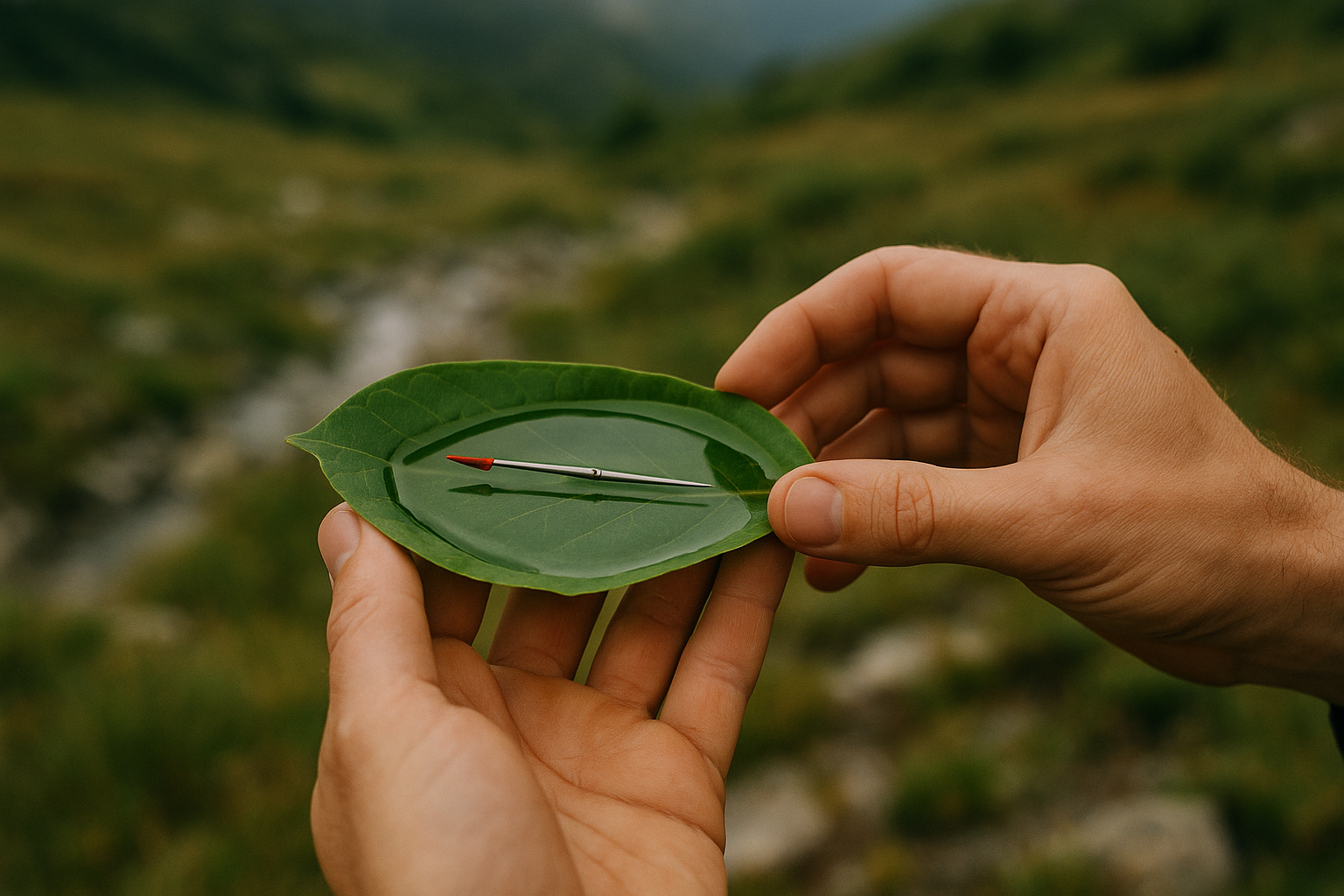
Minimalist survival kit to always have
After all my adventures (and misadventures), here's what I always carry in my pack, even for a 2-hour outing:The essentials in your pockets
In your pack (dedicated small compartment)
📌 Good to know — This kit weighs less than 500g and fits in a pocket-book-sized pouch. No excuse not to have it.
To start hiking properly with the right equipment, check our ultimate beginner's guide in Quebec.
Managing wildlife encounters
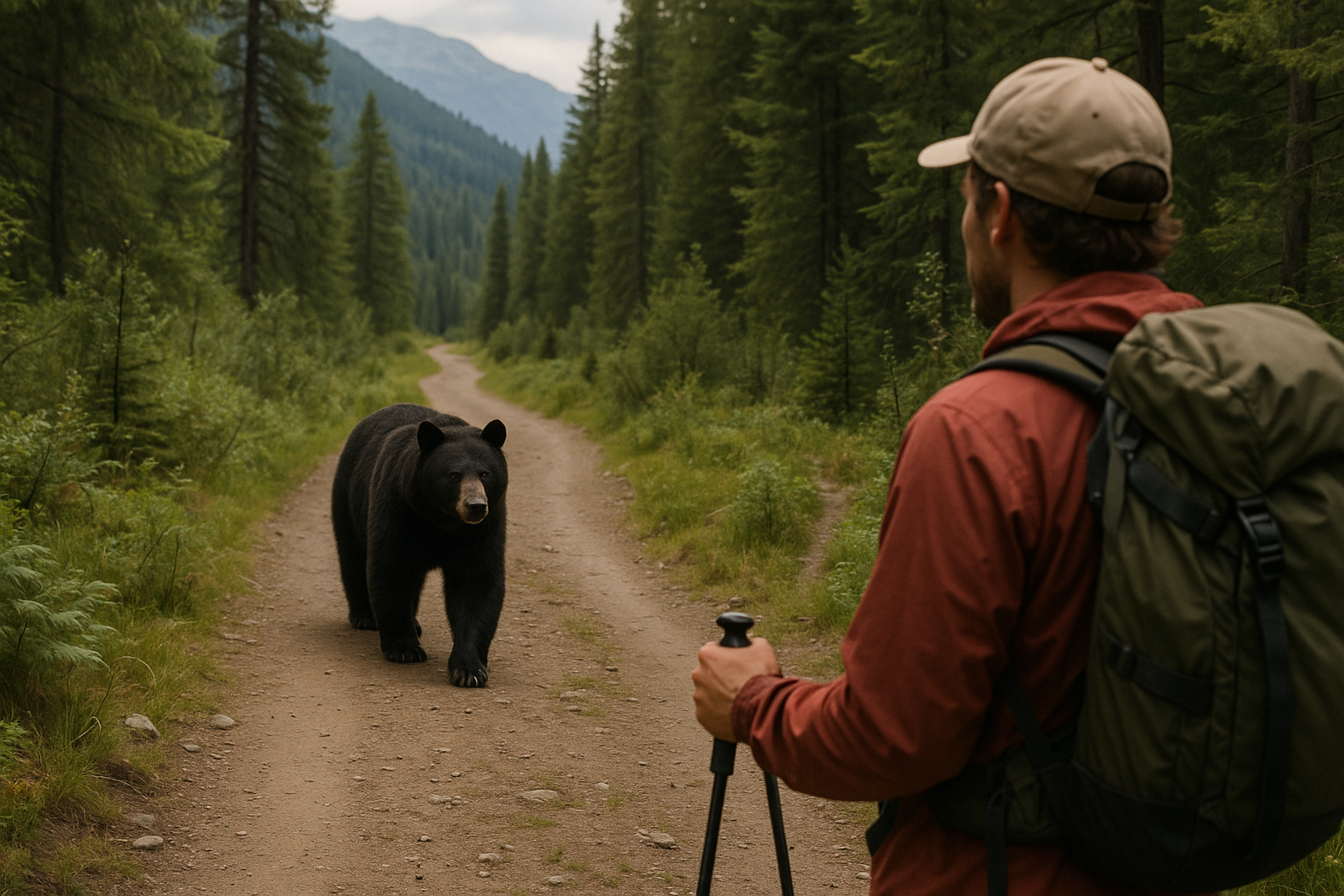
In Quebec, you might encounter black bears, moose, and more rarely cougars. Each animal requires a different approach.Black bear: prevention, not attack
Prevention:Moose: more dangerous than we think
Moose cause more accidents than bears in Quebec. During rut (fall) or with young (spring), they can charge.
⚠️ Warning — A bull moose can weigh 700 kg and charge at 50 km/h. Respect it like you'd respect a truck charging at you.
Hypothermia and hyperthermia: recognizing and acting
In Quebec, hypothermia kills more adventurers than all predators combined. And in summer, hyperthermia can strike you down even at 25°C.Hypothermia: the silent enemy
Symptoms by stage:Hyperthermia: heat stroke
More insidious than we think, especially with a heavy pack in humid weather. Symptoms:Survival psychology: your mind, your best ally
After 15 years seeing people in trouble in nature, I can tell you that 90% of survival is mental. Techniques are important, but your state of mind will determine whether you get out or crack.The 4 psychological enemies
Panic: your worst enemyMaintaining morale
Routine: create a schedule, even basic Hygiene: staying clean boosts morale Projects: improve your shelter, your comfort Hope: visualize your reunion with loved ones"I survived because I refused to give up. Every extra minute was one more minute for rescuers to find me."
⚠️ In case of emergency — Call 911. If you don't have cell coverage, use a satellite communication device (inReach, SPOT, Zoleo) or send someone for help. Quebec outdoor SOS number: 1-800-463-5060.
In summary, mastering nature survival techniques means:

About the author
François Dumaine
Founder of Let's Go Play Outside
A passionate hiker, photographer and content creator, François has been hiking the trails of Quebec and Alberta since 2014. He founded Let's Go Play Outside to give you the information he wished he had before heading out.
Newsletter
Content that makes you want to go outside
Every week, a trail idea, a reflection on nature, or a tip worth the detour. Zero spam. Only the essentials.
Joined by 12,000+ outdoor enthusiasts
Read next
Continue the journey