Last summer, I was walking peacefully on a familiar trail in the Laurentides when I heard a dull crack behind me. Turning around, I spotted a black bear rummaging through a bag abandoned by hikers. My heart started racing – not because of the bear, but realizing how much our forests are filled with hidden dangers that even experienced hikers underestimate. After more than 15 years exploring the 12 dangers in our forests across Canada, I've learned that nature is magnificent, but it demands our respect and vigilance. Today, I'm going to share the most insidious threats I've encountered on the trail, so you can enjoy your adventures safely.
Wildlife: Much More Than Bears
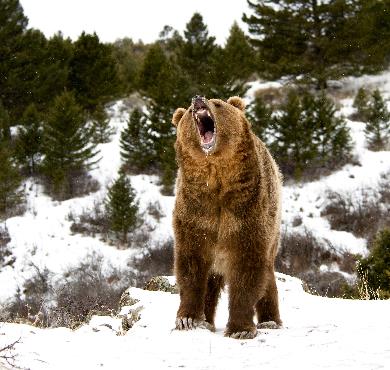
When we talk about dangers in our forests, everyone immediately thinks of bears. It's true they represent a real risk, but they're far from being the only animals to watch out for.
Moose are probably more dangerous than bears. I once saw a bull charge a hiker who had gotten too close during rutting season. These 700-kilogram giants don't mess around when they feel threatened. Always maintain a distance of at least 30 meters.
Coyotes have also expanded their territory. Contrary to popular belief, they don't only attack at night. I've encountered several in broad daylight at Parc National Du Mont Saint Bruno. They're generally fearful, but can become aggressive if protecting their young.
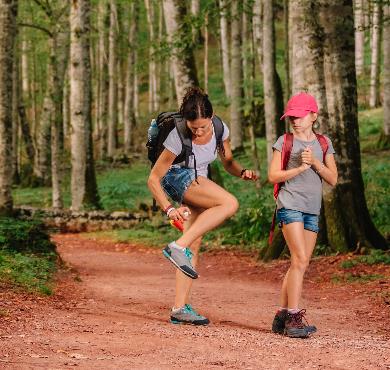
And don't forget the small creatures: ticks that transmit Lyme disease are now present throughout Quebec. After each outing, carefully check your body, especially behind the ears, under the arms, and in the groin area.
How to React to Wildlife
- Make noise while walking to avoid unpleasant surprises
- Keep your food in airtight containers
- Never feed wild animals
- Stay calm and back away slowly if you encounter an animal
Dead Trees and Hanging Branches: Silent Killers
Here's a danger many neglect: dead trees and branches hanging above trails. Foresters call them "widowmakers" because they can fall without warning and cause serious injuries, even death.
Last year, a large branch fell two meters in front of me on the trail at Mont Du Lac Des Cygnes. No wind, no warning signs. It was simply rotten from the inside.
Signs to watch for:
- Bark that's peeling or missing
- Branches without leaves in summer
- Mushrooms growing on the trunk
- Trees leaning after a storm
- Suspicious creaking in calm weather
This is particularly dangerous after ice storms or strong winds. Avoid hiking in the 24-48 hours following this type of severe weather.
Deadly Water: Hypothermia and Drowning
Water in the forest can be treacherous. I can't count how many times I've seen hikers underestimate the dangers of hypothermia, even in summer.
A few years ago, a friend fell into a stream near Canyon Sainte Anne. The water was 8°C, it was 20°C outside. Within 10 minutes, he was shaking uncontrollably and had difficulty speaking. Hypothermia can strike fast, even when we think it's "warm."
| Water Temperature | Time Before Hypothermia | Estimated Survival |
|---|---|---|
| 0-5°C | 15-30 minutes | 30-90 minutes |
| 5-10°C | 30-60 minutes | 1-6 hours |
| 10-15°C | 1-2 hours | 1-6 hours |
| 15-20°C | 2-7 hours | 2-40 hours |
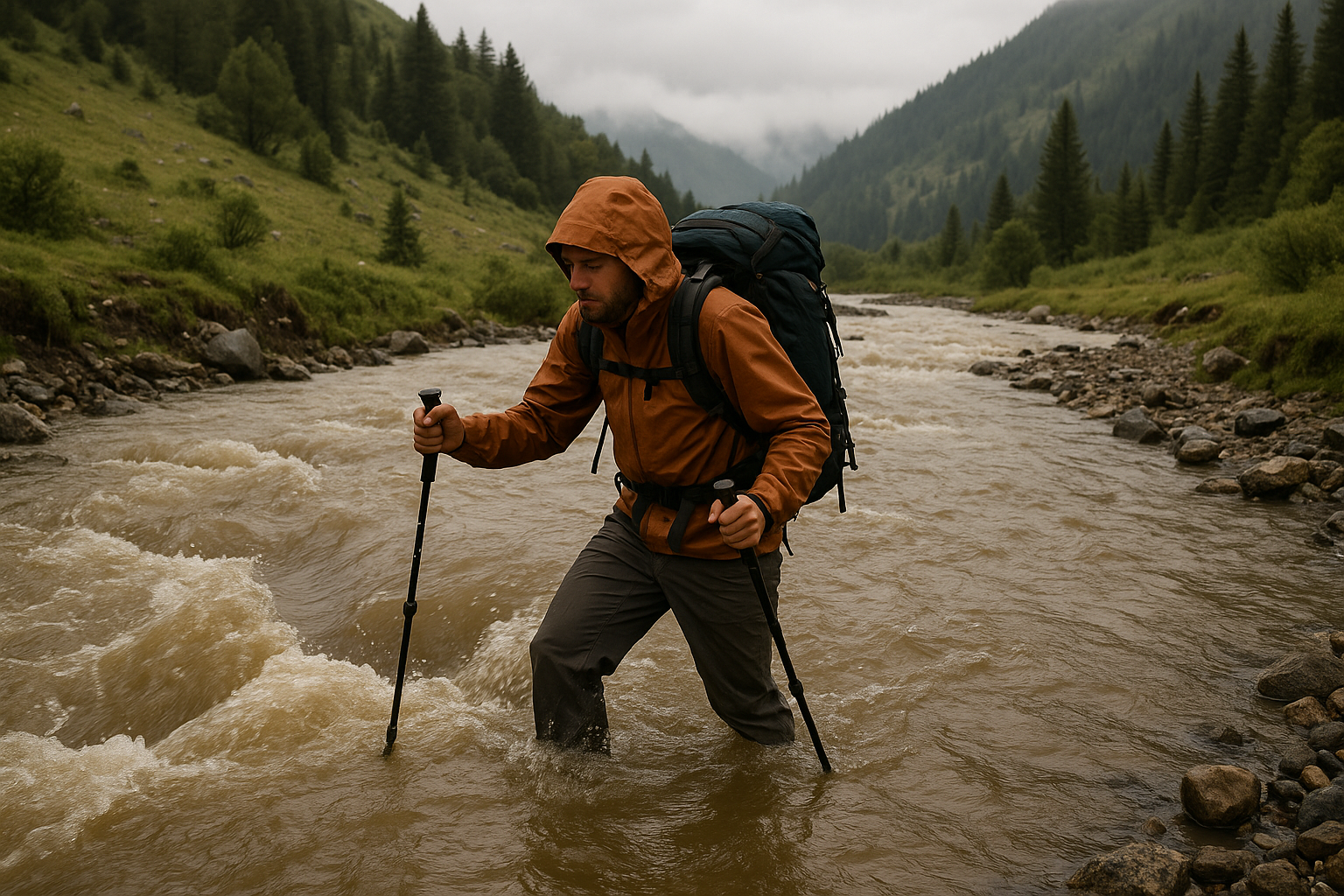
Waterways can also change rapidly. A peaceful stream can become a torrent after rain. I've seen hikers stranded on the other side of a waterway that had swollen during their hike. To learn more about safe crossing, check our guide on how to cross a waterway safely.
Toxic Plants: More Common Than We Think
Poison ivy, everyone knows it. But did you know that giant hogweed can cause third-degree burns? This invasive plant is increasingly present in our forests, and it's particularly insidious.
I met a hiker who had accidentally touched this plant on a trail near Montreal. A few hours later, his skin was covered with painful blisters that took weeks to heal.
Plants to Absolutely Avoid
- Giant hogweed: can reach 4 meters, large serrated leaves, white umbrella-shaped flowers
- Poison ivy: "leaves of three, let it be!"
- Poison sumac: resembles poison ivy but grows as a shrub
- Wild mushrooms: NEVER eat a mushroom you can't identify 100%
Wild berries can also be dangerous. If you don't know them perfectly, avoid tasting them. Some toxic berries look remarkably similar to edible varieties.
Unpredictable Weather: The Danger We See Coming... Or Not
Mountain weather changes quickly. I once experienced a violent storm on Parc National Des Hautes Gorges De La Riviere Malbaie when the day had started under radiant sunshine.
Thunderstorms are particularly dangerous at altitude. Lightning seeks the highest points, and on an exposed ridge, that's you! If you hear thunder, count the seconds until the lightning and divide by 3 to know the distance in kilometers.
"If the delay between lightning and thunder is less than 30 seconds, you're in the danger zone. Descend immediately and find shelter."
Fog can also transform an easy hike into a nightmare. I once spent 3 hours going in circles on a trail I knew by heart, simply because thick fog had settled in.
Treacherous Terrain: When the Ground Plays Tricks
Our Canadian forests hide insidious traps. Holes camouflaged by dead leaves, slippery rocks covered with moss, roots that stick out like steel cables.
Last fall, I almost broke my ankle in a hole hidden under a carpet of colorful leaves. Fortunately, my high boots saved me, but it reminded me of the importance of watching where you step.
Marshy soils are particularly treacherous in spring. What seems like solid ground can turn out to be deep mud that sucks in your boots. I once lost a boot in a bog – not fun finishing your hike with one foot in a plastic bag!
Terrain Traps to Watch For
- Snow bridges in spring that hide streams
- Unstable rocks in scree fields
- Eroded banks that can collapse
- Slippery slopes after rain
- Natural cavities camouflaged by vegetation
Forest Fires: A Growing Danger
With climate change, forest fires are becoming more frequent and intense. Summer 2023 reminded us forcefully when smoke from northern fires invaded all of Quebec.
Even if you're not directly in a fire zone, air quality can become dangerous. I had to cancel several hikes last summer because the air quality index exceeded 150.
Warning signs of a nearby fire:
- Persistent smell of smoke
- Orange or hazy sky
- Falling ash
- Animals fleeing en masse
- Abnormally high temperature
Get my gifts →
Getting Lost: Easier Than You Think
Even in the GPS era, getting lost in the forest remains a real danger. Satellite signals can be blocked by dense canopy, batteries die, and sometimes we simply make navigation errors.
Two years ago, I helped find a couple who had gotten lost on a trail at Parc Du Mont Arthabaska. They had followed an old ATV trail thinking it was the right path. They spent 8 hours in the forest before we found them.
Classic mistakes:
- Relying only on your phone
- Not informing someone of your itinerary
- Continuing when no longer sure of your path
- Panicking and leaving the trail to "cut across"
Always keep a compass and paper map as backup. Learn navigation basics before venturing onto less frequented trails. To prepare adequately, check our guide on essential questions to ask yourself before leaving.
Insects and Parasites: Small Dangers That Hurt
Wasps and hornets are particularly aggressive in late summer. Their nests can be hidden in tree trunks or under rocks. Last year, a friend got stung 12 times after unknowingly disturbing a nest.
Ticks deserve special mention. They're now present throughout Quebec and can transmit Lyme disease. Contrary to popular belief, they don't fall from trees – they wait for you in tall grass and bushes.
| Insect/Parasite | Activity Period | Prevention |
|---|---|---|
| Ticks | April to October | DEET repellent, long clothing |
| Mosquitoes | May to September | Repellent, covering clothing |
| Black flies | May to July | Bug net, avoid dawn/dusk |
| Wasps/Hornets | July to September | Avoid sweet scents, check before sitting |
Exhaustion and Dehydration: When the Body Says Stop
This is perhaps the most underestimated danger. I've seen seasoned hikers get into trouble simply because they misjudged their limits or neglected their hydration.
Exhaustion can strike quickly, especially in hot weather. The first signs: unusual fatigue, headaches, nausea, dizziness. If you ignore these signals, it can escalate to heat stroke, which is a medical emergency.
Dehydration is insidious. When you're thirsty, it's already too late – you're already dehydrated. In hot weather and exertion, you can lose more than a liter of water per hour.
"The golden rule: drink before you're thirsty, eat before you're hungry, rest before you're exhausted."
How to Prevent Exhaustion
- Hydrate regularly, even if you're not thirsty
- Eat energy snacks every hour
- Take breaks in shade when it's hot
- Know your limits and respect them
- Adapt your pace to the temperature
Isolation: When Help is Far Away
In the forest, you can be hours of walking from the nearest rescue. A minor injury in the city can become serious if it occurs in the middle of nowhere.
I once had to improvise a splint with trekking poles and my belt to help a hiker who had sprained his ankle. We were 3 hours' walk from the parking lot, and there was no cell signal.
That's why it's crucial to:
- Travel in groups when possible
- Inform someone of your itinerary and expected return time
- Bring a first aid kit and know how to use it
- Know the basics of wilderness first aid
Our Canadian forests are extraordinary playgrounds, but they deserve our respect. After all these years on the trail, I've learned that the best adventure is one you return from safe and sound, with memories filling your head.
Key points to remember:
- Wildlife demands distance and respect – make noise and keep your food secure
- Beware of dead trees and hanging branches, especially after storms
- Cold water can cause hypothermia even in summer – stay dry and warm
- Learn to identify common toxic plants in your region
- Weather changes quickly in mountains – check forecasts and keep a plan B
- Terrain can be treacherous – watch where you step
- Forest fires affect air quality even at a distance
- Good preparation and reliable navigation tools prevent getting lost
- Protect yourself from insects and check your body after each outing
- Listen to your body and hydrate regularly
- In isolated areas, always inform someone of your plans
Nature offers us its most beautiful spectacles, but it also tests us. That's what makes each outing so rewarding. So gear up well, prepare seriously, and go explore our magnificent Canadian forests. They're waiting for you, with their challenges and wonders. Adventure begins as soon as you cross the forest edge – just make sure you're ready to welcome it!

About the author
François Dumaine
Founder of Let's Go Play Outside
A passionate hiker, photographer and content creator, François has been hiking the trails of Quebec and Alberta since 2014. He founded Let's Go Play Outside to give you the information he wished he had before heading out.
Newsletter
Content that makes you want to go outside
Every week, a trail idea, a reflection on nature, or a tip worth the detour. Zero spam. Only the essentials.
Joined by 12,000+ outdoor enthusiasts
Read next
Continue the journey