
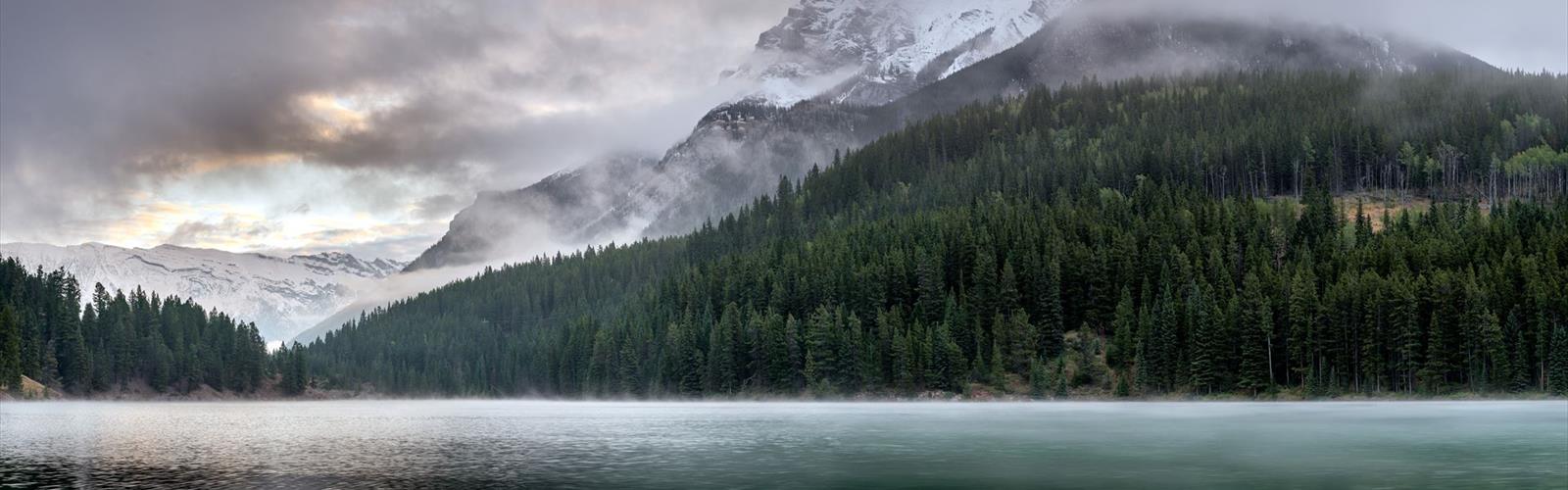

Ready to explore Jack Lake? Here's everything you need to know before you go!
Discover the trail
Trail description
Jack Lake sits tucked away in Vancouver Island's forested interior, offering hikers a peaceful destination where well-maintained trails wind through dense coastal forest to reach a pristine mountain lake. This hidden gem attracts outdoor enthusiasts looking for a moderate hike that delivers both forest immersion and rewarding lake views without the crowds found at more popular island destinations.
The Trail Experience
The 6-kilometer trail to Jack Lake provides an excellent introduction to Vancouver Island's coastal temperate rainforest ecosystem. You'll start your journey threading through towering Douglas fir, western red cedar, and hemlock trees that create a natural canopy overhead. The forest floor beneath your feet transitions from packed earth to softer duff as you progress deeper into the woods, with the earthy scent of decomposing leaves and moss filling the air.
The trail gradually gains 300 meters of elevation over its length, providing a solid workout without being overly strenuous. Most hikers complete the journey in about 1.5 hours, though you'll want to allow extra time for photo stops and wildlife watching. The ascent feels manageable thanks to the trail's thoughtful design, with switchbacks that ease the climb and occasional flat sections that allow you to catch your breath while taking in the surrounding forest.
Well-maintained throughout, the path remains clearly marked and easy to follow. The moderate difficulty rating makes it accessible to hikers with basic fitness levels, while still providing enough challenge to feel rewarding. Rocky sections alternate with softer forest floor, and occasional wooden bridges help you cross seasonal streams that feed into the lake system.
Forest Ecosystem and Seasonal Changes
The vibrant foliage changes character with the seasons and elevation, creating a dynamic hiking experience that varies throughout the year. In spring, you'll notice fresh green growth and wildflowers dotting the understory, while ferns unfurl their new fronds in the filtered sunlight. Summer brings lush, full canopy coverage that provides welcome shade on warmer days, with the forest floor carpeted in deep green moss and fallen needles.
Fall transforms the deciduous trees and shrubs into brilliant yellows and reds that contrast beautifully with the evergreen backdrop. The changing leaves create natural confetti along the trail, and the crisp air carries the scent of autumn. Winter hiking reveals the forest's architectural bones, with bare branches creating intricate patterns against the sky and evergreens standing out more prominently in the landscape.
Massive old-growth stumps remind visitors of the area's logging history, while younger trees demonstrate the forest's remarkable ability to regenerate. Moss drapes many surfaces, creating that quintessential Pacific Northwest atmosphere that makes hiking here feel distinctly different from other regions. Nurse logs support new growth, showing the forest's continuous cycle of renewal.
Wildlife and Natural Features
Keep your eyes and ears open as you hike—Jack Lake's forest ecosystem supports diverse wildlife that adds excitement to any trek. Deer frequently browse in the area, and you might spot them grazing in small clearings or catch glimpses of them moving silently through the trees. Their well-worn paths often intersect with the main trail, creating opportunities for wildlife tracking.
The varied bird life includes both year-round residents and seasonal visitors, from woodpeckers working the larger trees to smaller songbirds flitting through the underbrush. Ravens call from the canopy, while smaller birds like chickadees and nuthatches provide a constant soundtrack of chirps and calls. Early morning hikers often have the best wildlife viewing opportunities when animals are most active.
The forest understory reveals intricate details for those who take time to look closely. Delicate fungi emerge from rotting logs, creating miniature landscapes of their own. Lichens paint tree bark in subtle greens and grays, while berry bushes provide seasonal treats for both wildlife and observant hikers.
Lake Views and Scenic Rewards
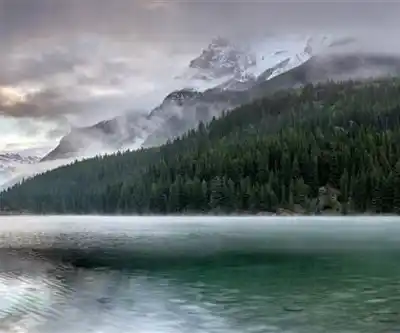
The payoff for your hiking effort comes as you reach higher elevations and catch your first glimpses of Jack Lake through the trees. The lake's crystal-clear waters reflect the surrounding forest and sky, creating mirror-like images that shift with the light and weather conditions throughout the day. These initial views build anticipation for the full reveal that awaits at the lake itself.
Several vantage points along the trails offer panoramic views that showcase the lake in its full context within the island's mountainous terrain. These elevated perspectives reveal how the lake nestles into the landscape, surrounded by forested ridges that roll away toward the horizon. Early morning and late afternoon provide particularly stunning lighting conditions that enhance the water's reflective qualities and bring out the rich colors in the surrounding vegetation.
The shoreline itself varies from rocky outcrops perfect for sitting and contemplating to gentler areas where the forest meets the water's edge. These different zones create diverse photo opportunities and give hikers options for how they want to experience the lake—whether from elevated viewpoints that capture the full scope of the setting or down at water level where you can appreciate the lake's clarity and the intricate details of the shoreline ecosystem.
Recreation and Relaxation Opportunities
Jack Lake serves as more than just a hiking destination; it's an ideal spot for those seeking a peaceful retreat in nature. The tranquil setting invites visitors to slow down and appreciate the natural environment at a more contemplative pace. Pack a picnic lunch and claim a spot along the water's edge where you can enjoy your meal while taking in the serene lake views and listening to the gentle sounds of water lapping against the shore.
The lake's clear waters and scenic setting make it a popular spot for photography enthusiasts. The combination of forest, water, and mountain views provides varied composition opportunities, from wide landscape shots that capture the lake's full setting to intimate details of the shoreline ecosystem. Reflection shots work particularly well during calm weather conditions when the water acts like a natural mirror.
Many visitors find this an perfect place to simply sit quietly, whether you're reading a book, sketching the scenery, or just letting your mind wander while surrounded by the forest's calming presence. The natural acoustics of the lake setting amplify the subtle sounds of nature while filtering out the noise of modern life.
Planning Your Visit
Before setting out for Jack Lake, check current weather conditions and trail status, as Vancouver Island's weather can change quickly and impact trail conditions. The well-maintained paths generally remain accessible year-round, though winter conditions may require additional preparation and appropriate gear for wet and potentially icy conditions.
Pack essential hiking supplies including plenty of water, snacks or lunch, and layers of clothing to adapt to changing conditions. The elevation gain and forest environment mean temperatures can vary between the trailhead and higher elevations, especially during shoulder seasons. Sturdy hiking boots provide the best traction and support for the varied terrain you'll encounter, from rocky sections to potentially muddy areas after rain.
Consider bringing a camera to capture the scenic views and wildlife encounters that make Jack Lake special. Binoculars can enhance your wildlife viewing opportunities, particularly for bird watching in the diverse forest habitat. A small daypack allows you to carry extra layers and refreshments comfortably while keeping your hands free for navigating trickier sections of trail.
The Essential Hiking Checklist
Everything you need for your next hike. Bilingual, printable, 1 page.
Get your free hiking checklistRecommended gear for this trail
As an Amazon Associate I earn from qualifying purchases.


Ready to go?
Everything you need to know before you goStarting Point
The jack lake trailhead is located in the community of Clinton, British Columbia. From Highway 97, turn onto the jack lake Forest Service Road and drive for approximately 5 km to the trailhead parking lot.
When?
As an Amazon Associate I earn from qualifying purchases.
Affiliate links — LGPO may earn a commission at no extra cost to you.
- Hiking shoes Essential
- → Salomon Elixir Tour Mid WP · 203.38 $
- Layered clothing Essential
- Rain jacket Essential
- Trekking poles
- → Black Diamond Trail Ergo Cork · 69.99 $
- Headlamp
- → Petzl Actik Core 625 · 103.95 $
FAQ - Frequently asked questions
Everything you need to knowSimilar hikes nearby
Discover other trails you might enjoy
Sandbar Trail
Vancouver Island
Old Baldy Mountain Trail
Vancouver Island
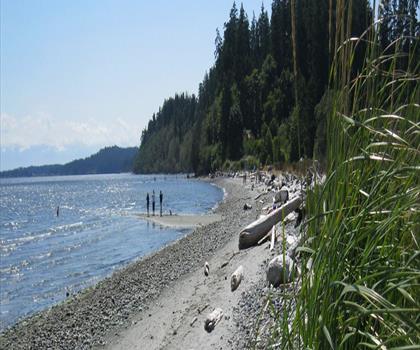
Wittys Lagoon
Vancouver Island

Mount Cain
Vancouver Island
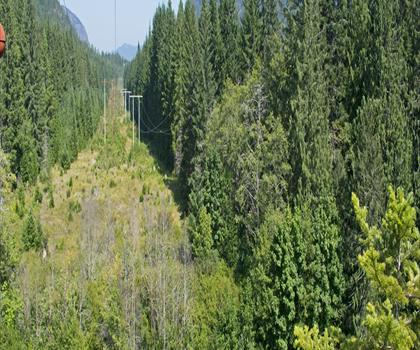
Kings Peak
Vancouver Island
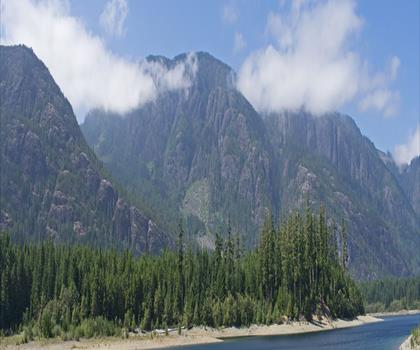
Buttle Lake
Vancouver Island
Hiking near Victoria
93 trails to explore ~21 km away
We work hard to provide the most up-to-date and error-free data possible. If something seems incorrect, let us know! Your contribution helps the whole community.
Hikers' opinions
Be the first to review!
No hiker has shared their experience yet. Share your impressions and help other hikers!