


Ready to explore University of Guelph Arboretum? Here's everything you need to know before you go!
Discover the trail
Oh no! We don't have any photos 😢
This trail hasn't been captured yet. Be the first to share your adventure!Trail description
The University of Guelph Arboretum is one of Ontario's most quietly impressive green spaces — a living collection of trees, shrubs, and natural habitats tucked right onto the university campus. It's the kind of place that surprises people the first time they visit. You walk in expecting a tidy botanical garden and instead find yourself moving through dense forest corridors, open meadows, and wetland edges that feel genuinely wild.
The Arboretum functions both as a research and teaching facility for the University of Guelph and as a public green space open to walkers, naturalists, and anyone who wants to get outside without driving far. That dual purpose shapes everything about the experience — the trails are well-maintained and clearly signed, the plant collections are labeled, and interpretive information is available throughout the grounds.
The Landscape
What makes the Arboretum stand out is the sheer variety packed into a relatively compact area. The grounds include a wide range of curated plant collections — conifers, maples, oaks, ornamental shrubs — alongside naturalized areas that have been allowed to develop into more complex ecosystems. You'll move between open canopy sections where light filters through mature hardwoods, dense conifer plantings that feel almost cathedral-like, and open meadow zones that attract pollinators and birds.
There's also a significant wetland component. The Arboretum contains pond and marsh habitats that support a solid diversity of wildlife, including waterfowl, amphibians, and a variety of songbirds. Birders in particular find this place productive across multiple seasons — the mix of habitat types means the species list is longer than you'd expect for an urban-adjacent site.
The Trail Network
The trail system winds through the different collections and natural areas in a way that lets you customize your visit. You can do a short loop and stay mostly in the curated sections, or extend your walk into the more naturalized zones for a longer outing. The paths are generally flat and well-groomed, making the Arboretum accessible to a wide range of visitors — families with young kids, older adults, and anyone who wants a relaxed walk rather than a challenging hike.
Signage throughout the grounds helps orient you and connects the walking experience to the educational mission of the space. Named collections and labeled specimens give you something to engage with beyond just the physical walk, which adds a layer to the visit that you don't get on most trail systems.
Wildlife and Natural Features
The Arboretum is genuinely good for wildlife watching. The wetland areas draw waterfowl and wading birds, and the varied vegetation structure supports a healthy songbird population. Spring migration can be particularly active here, with the mix of open water, shrubby edges, and mature forest providing stopover habitat for a range of species moving through.
Beyond birds, the grounds support populations of white-tailed deer, red foxes, and various small mammals. The pond areas are worth checking for frogs and turtles during warmer months. Because the Arboretum is actively managed with ecological goals in mind, the habitat quality tends to be higher than what you'd find in a typical urban park.
Practical Information
The Arboretum is located on the University of Guelph campus and is open to the public. Access and parking details are best confirmed directly with the Arboretum, as campus parking arrangements can vary depending on the day and time of year. The grounds are generally open during daylight hours.
Dogs are a common sight on the trails, though visitors should check current policies before bringing pets, as rules can be updated. The relatively flat terrain and well-maintained paths make this a good option for visitors with limited mobility, though some sections of the naturalized areas may be less groomed.
What to Bring
- Binoculars: The birding here is genuinely worthwhile, especially near the wetland areas and during migration periods.
- A field guide or plant ID app: With labeled collections throughout the grounds, having a reference on hand adds a lot to the experience.
- Waterproof footwear in shoulder seasons: The wetland areas and naturalized sections can be soft underfoot in spring and after rain.
- Water and a snack: There are no food services on site, so bring what you need for your visit.
Best Times to Visit
The Arboretum has something to offer in every season. Spring brings migrating birds, emerging wildflowers, and the first flush of green across the collections. Summer fills the meadow areas with pollinators and keeps the wetlands active with wildlife. Fall is arguably the most visually striking season — the diversity of tree species in the collections means the autumn colour display is exceptional, with maples, oaks, and other hardwoods turning at slightly different times and creating a layered, extended show. Winter quiets things down considerably, but the conifer collections hold their structure and the open areas can be good for tracking wildlife in snow.
Who It's For
The University of Guelph Arboretum works well for a specific kind of visitor: someone who wants more than a simple walk but isn't necessarily looking for a physically demanding outing. It's ideal for naturalists, birders, families introducing kids to the outdoors, and anyone who appreciates the combination of curated landscape and naturalized habitat. The educational dimension — the labeled collections, the interpretive signage, the research context — gives the visit a substance that a standard trail system doesn't offer.
It's also a genuinely good option for repeat visits across the seasons, since the changing plant collections and wildlife activity mean the experience shifts meaningfully throughout the year rather than staying static.
Recommended gear for this trail
As an Amazon Associate I earn from qualifying purchases.


Ready to go?
Everything you need to know before you goWhen?
How much?
As an Amazon Associate I earn from qualifying purchases.
Affiliate links — LGPO may earn a commission at no extra cost to you.
- Hiking shoes Essential
- → Salomon Elixir Tour Mid WP · 203.38 $
- Layered clothing Essential
- Rain jacket Essential
- Trekking poles
- → Black Diamond Trail Ergo Cork · 69.99 $
- Headlamp
- → Petzl Actik Core 625 · 103.95 $
FAQ - Frequently asked questions
Everything you need to know
25 hikes under 2 hours from Montreal
Distance, elevation, parking and season for each one. The ones we go back to ourselves.
Get the guideSimilar hikes nearby
Discover other trails you might enjoy
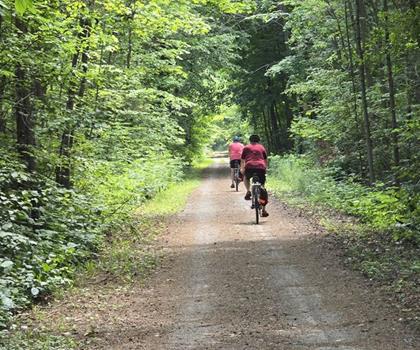
Perth Harvest Pathway Milverton- G2G Rail Trail
Huron, Perth, Waterloo and Wellington
Health Valley Trail
Huron, Perth, Waterloo and Wellington

Mill Run Trail
Huron, Perth, Waterloo and Wellington

Waterloo Park
Huron, Perth, Waterloo and Wellington

Point Farms Provincial Park
Huron, Perth, Waterloo and Wellington
Breithaupt Park
Huron, Perth, Waterloo and Wellington
Hiking near Guelph
166 trails to explore ~2 km away
We work hard to provide the most up-to-date and error-free data possible. If something seems incorrect, let us know! Your contribution helps the whole community.
Hikers' opinions
Be the first to review!
No hiker has shared their experience yet. Share your impressions and help other hikers!