


Ready to explore Twelve Trail? Here's everything you need to know before you go!
Discover the trail

Trail description
The Twelve Trail is located in Ontario and offers a unique hiking experience in this region. The trail takes its distinctive name from local features that mark the landscape and the history of the area.
Terrain characteristics
The trail winds through varied terrain typical of the Ontario landscape. Hikers can expect to cross different types of ecosystems that follow one another naturally in this part of the province. The relief features gentle undulations interspersed with flatter sections, creating a dynamic route without being too demanding.
The vegetation changes along the way, offering a diversity of atmospheres depending on the season. Mature trees dominate some sections, creating a natural canopy that provides shade during the warmer months. Other portions of the trail cross more open areas where the light filters in generously.
Hiking experience
Hiking the Twelve Trail gives a feeling of gradual immersion in Ontario's nature. The trail is well enough defined that hikers can concentrate on observing their surroundings rather than on navigation.
The first steps on the trail set the tone: you quickly leave the urban atmosphere and enter a wilder world. The noise of traffic gradually fades, replaced by the natural sounds of the forest. This transition psychologically marks the beginning of the adventure.
As you progress, the trail reveals its secrets. Certain points offer interesting perspectives on the surrounding landscape, allowing hikers to step back from the territory they are exploring. These moments of contemplation pleasantly punctuate the physical effort.
Fauna and flora
The Twelve Trail's ecosystem shelters a variety of species adapted to Ontario's climate and terrain. Forest birds are particularly active, especially early in the morning and in late afternoon. Their songs often accompany hikers throughout the route.
The flora varies according to the microclimates created by the topography and exposure. The damper areas favour certain plant species, while the drier sectors host different vegetation. This botanical diversity enriches the visual and educational experience of the hike.
Seasonal changes completely transform the trail's appearance. Spring brings the first shoots and wildflowers, summer develops the density of the vegetation, autumn sets the foliage ablaze, and winter reveals the bare structure of the landscape.
Points of interest
The Twelve Trail features several remarkable elements that justify contemplative pauses. Natural rock formations punctuate the route, bearing witness to the region's geological history. These outcrops often offer natural seats for resting.
Some sections of the trail run alongside or cross seasonal watercourses that add a soothing sound dimension to the hike. These water points create special microhabitats where biodiversity is concentrated.
Openings in the canopy sometimes reveal views of the surrounding hills, allowing hikers to place their progress in the broader geographic context of Ontario.
Conditions and preparation
The Twelve Trail requires standard preparation for hiking in Ontario. Appropriate walking shoes are essential, because the terrain may present damp or slippery sections depending on recent weather conditions.
Basic equipment is generally enough: water in sufficient quantity, energy snacks, and clothing suited to the climatic conditions. A first-aid kit is always recommended, even on the most accessible trails.
Trail conditions vary according to the season and recent precipitation. Spring may leave some sections muddy, while autumn accumulates dead leaves that can hide irregularities in the terrain.
Access and logistics
Access to the Twelve Trail is via clearly identified entry points. Hikers must plan their transportation accordingly, taking into account opening hours where applicable.
Planning the outing must include the forecast weather conditions and the hours of daylight, which is particularly important during the autumn and winter months when the days shorten quickly.
The trail suits different levels of experience, but beginner hikers will do well to find out about current conditions before committing to the route.
Recommended gear for this trail
As an Amazon Associate I earn from qualifying purchases.


Ready to go?
Everything you need to know before you goWhen?
How much?
As an Amazon Associate I earn from qualifying purchases.
Affiliate links — LGPO may earn a commission at no extra cost to you.
- Hiking shoes Essential
- → Salomon Elixir Tour Mid WP · 203.38 $
- Layered clothing Essential
- Rain jacket Essential
- Trekking poles
- → Black Diamond Trail Ergo Cork · 69.99 $
- Headlamp
- → Petzl Actik Core 625 · 103.95 $
FAQ - Frequently asked questions
Everything you need to know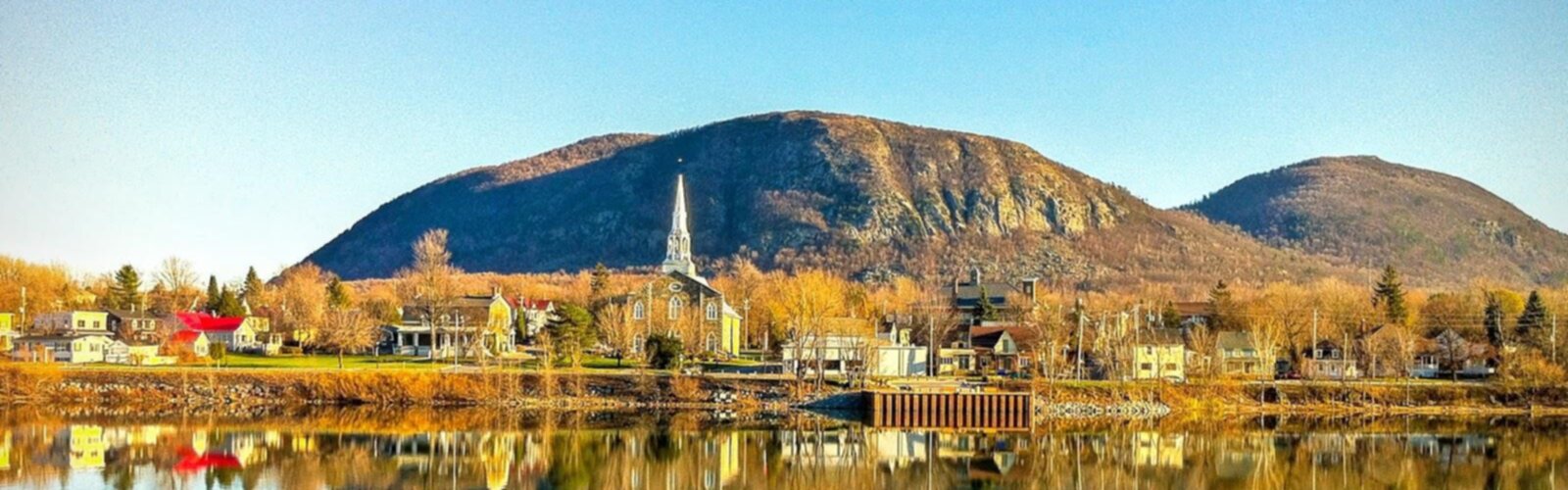
25 hikes under 2 hours from Montreal
Distance, elevation, parking and season for each one. The ones we go back to ourselves.
Get the guideSimilar hikes nearby
Discover other trails you might enjoy
Niagara River Recreation Trail
Niagara Canada
Niagara Glen Nature Centre
Niagara Canada

Woodend Conservation Area
Niagara Canada
Lakeside Park Beach
Niagara Canada
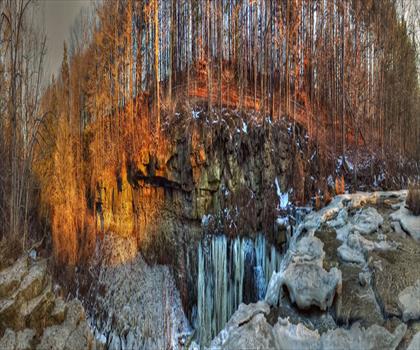
Ball's Falls Conservation Area
Niagara Canada
Firemen's Park
Niagara Canada
Hiking near Niagara Falls
128 trails to explore ~15 km away
We work hard to provide the most up-to-date and error-free data possible. If something seems incorrect, let us know! Your contribution helps the whole community.
Hikers' opinions
Be the first to review!
No hiker has shared their experience yet. Share your impressions and help other hikers!