
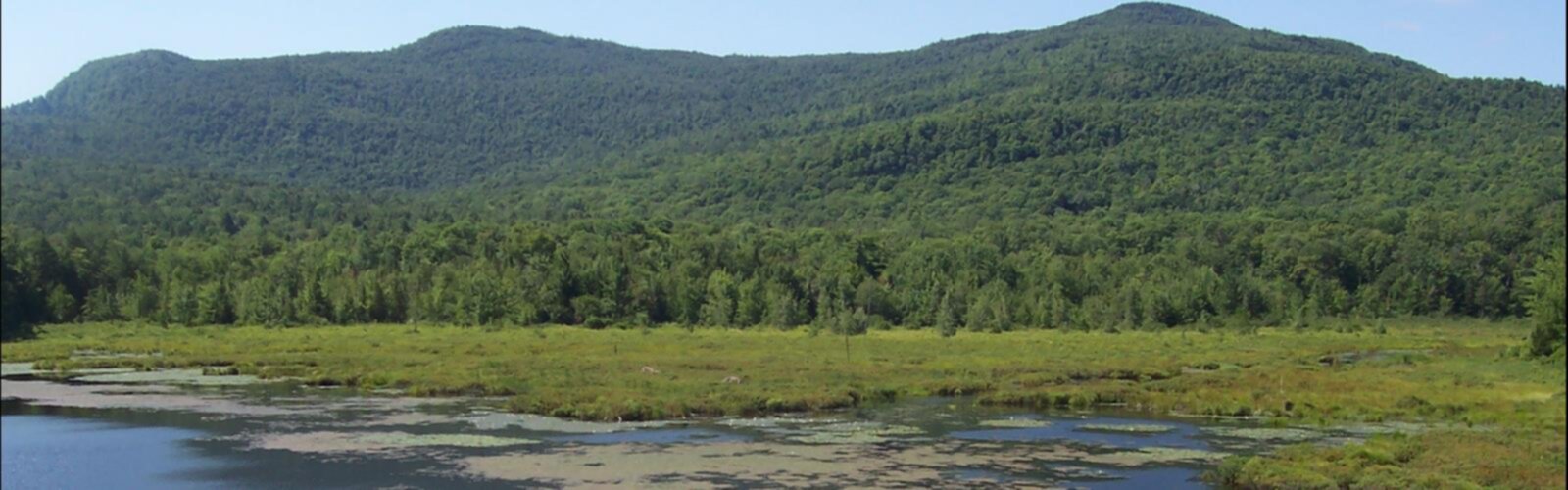

Ready to explore Parc National Du Mont-Orford? Here's everything you need to know before you go!
Discover the trail
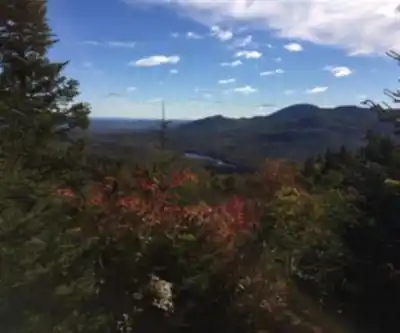
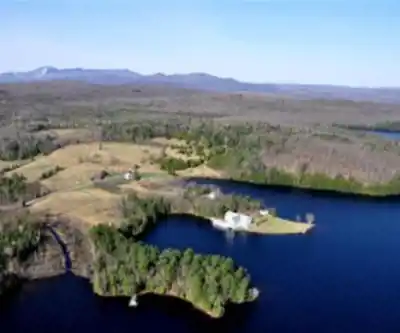
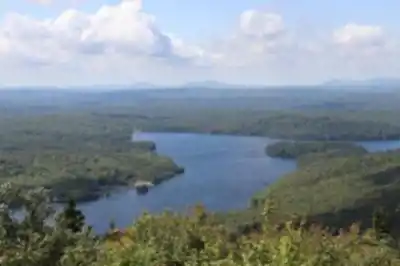
Available trails
| TrailTrails | Dist.Distance | GainElevation | TimeDuration | Difficulty | GPX |
|---|---|---|---|---|---|
|
Beginner
|
1.6 km | — | 21min | Beginner | |
|
Beginner
|
1.6 km | — | 21min | Beginner | |
|
Intermediate
|
5 km | — | 1h | Intermediate | |
|
Intermediate
|
6.2 km | — | 1h30 | Intermediate | |
|
Intermediate
|
3.8 km | — | 51min | Intermediate | |
|
Intermediate
|
3.7 km | — | 49min | Intermediate | |
|
Intermediate
|
3.8 km | — | 51min | Intermediate | |
|
Intermediate
|
4.1 km | — | 55min | Intermediate | |
|
Advanced
|
6.5 km | — | 1h30 | Advanced | |
|
Advanced
|
4.3 km | — | 57min | Advanced | |
|
Advanced
|
8.5 km | — | 2h | Advanced | |
|
Advanced
|
4.01 km | 69 m | 1h | Advanced | GPX |
|
Advanced
|
2.9 km | — | 39min | Advanced |
GPX track: Sépaq (Données Québec) — CC BY 4.0
Trail description
Parc national du Mont-Orford is one of the most visited provincial parks in Quebec, and for good reason. Sitting in the heart of the Eastern Townships, it combines serious hiking terrain with a landscape that shifts dramatically with the seasons. Whether you're after a challenging summit push or a quieter walk through mature forest, this park delivers the kind of experience that keeps people coming back year after year.
The Terrain
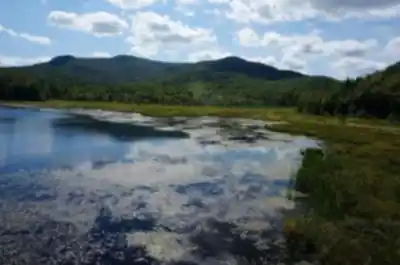
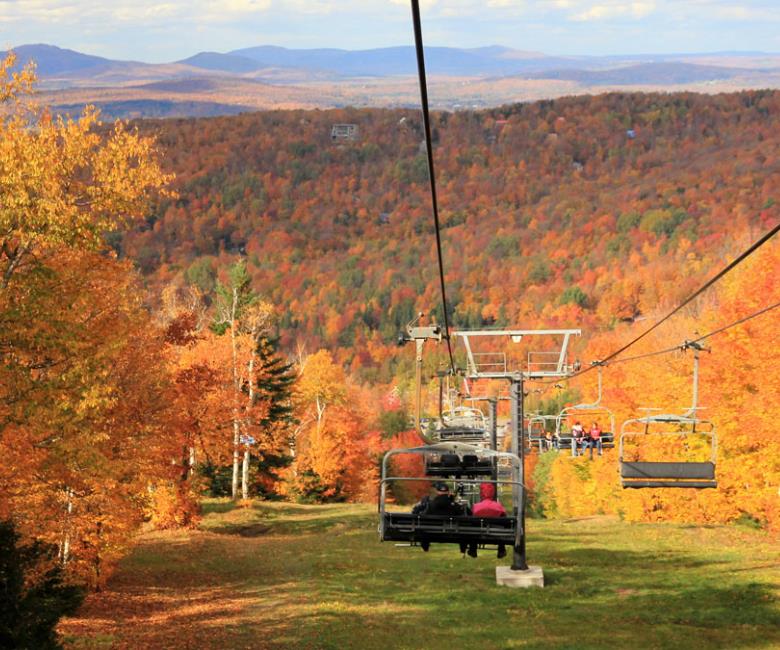
The park is anchored by Mont Orford itself, one of the higher peaks in the region, along with neighbouring summits including Mont Chauve and Mont Alfred-Desrochers. The topography is genuinely varied — you'll move through dense mixed forest, across open rocky ridgelines, and past lakes and wetlands depending on which trails you choose. The forest is a mix of hardwoods and conifers, and the canopy is thick enough that even on warm days, much of the trail network stays shaded and cool.
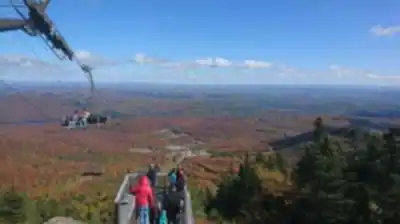
The trail system is well-developed and clearly signed. Routes range from relatively flat lakeside paths to steep, rocky climbs that require hands-on scrambling near the top. The upper sections of the main summits are exposed, with open rock faces that offer wide views over the surrounding hills and valleys. It's the kind of terrain where you feel the elevation gain in your legs, but the payoff at the top is real.
What Makes This Park Stand Out
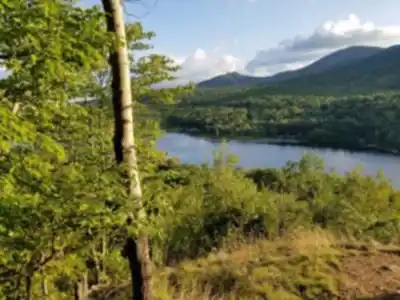
Mont-Orford sits within a broader landscape that includes Lac Stukely and Lac Fraser, both of which are accessible from the park's trail network. The presence of water throughout the park — streams, beaver ponds, and the two main lakes — adds a dimension that purely mountain parks often lack. You can combine a summit hike with a lakeside stretch on the same outing, which makes for a more complete day out.
The park is also notable for its biodiversity. The Appalachian ecosystem here supports a wide range of wildlife, and the forest feels genuinely alive. Bird activity is strong throughout the warmer months, and the park is well-regarded among naturalists for the variety of species it supports across its different habitat types.
Another thing worth noting: Mont-Orford is a four-season park. The trail network is used for cross-country skiing and snowshoeing in winter, which means the infrastructure is maintained to a high standard year-round. Trails are generally in good condition, and the park's facilities — including parking areas, washrooms, and picnic spots — are well kept.
Practical Information
Parc national du Mont-Orford is managed by the Société des établissements de plein air du Québec (Sépaq), which means there is a daily access fee to enter the park. Fees are consistent with other Sépaq parks in the province, and annual passes are available if you plan to visit multiple times or explore other parks in the network.
There are several access points to the park, with the main entrance and visitor centre located near the ski hill. Parking is available at multiple trailheads, though the main lots can fill up quickly on weekends and holidays, especially during peak fall foliage season. Arriving early is strongly recommended if you're planning a weekend visit.
The park has a campground with a range of site types, from basic tent sites to more developed options. Reservations through the Sépaq system are required during the busy season and are highly recommended well in advance for summer and fall weekends.
Getting There
The park is easily accessible from the highway network that runs through the Eastern Townships. It's a straightforward drive from the greater Montreal area, making it a popular destination for day trips as well as overnight stays. The town of Orford and the city of Magog are both close by, offering additional services including restaurants, gear shops, and accommodation options outside the park.
Tips for Your Visit
- Start early on weekends: Parking at the main trailheads fills up fast, particularly in September and October when the fall colours draw large crowds.
- Wear proper footwear: The upper sections of the summit trails involve rocky, uneven terrain. Trail runners or hiking boots with good grip are the right call.
- Bring water: While the park has lakes and streams, water sources along the upper trails are limited. Carry enough for your full outing.
- Check trail conditions: The Sépaq website and the park's own communications are reliable sources for current trail status, especially during spring thaw or after significant rainfall.
- Respect the fee system: Access fees are collected at the entrance. Having your payment ready or your Sépaq pass accessible speeds up entry, especially on busy days.
Who It's Right For
Parc national du Mont-Orford works well for a wide range of hikers. Families with older kids who are comfortable on uneven terrain will find plenty of options that are challenging without being technical. More experienced hikers looking for a solid half-day or full-day outing with real elevation gain and rewarding views will find the summit routes satisfying. The park also has gentler trails around the lakes that suit those looking for a more relaxed pace.
It's not a wilderness backcountry experience — this is a well-managed provincial park with clear infrastructure and regular visitor traffic — but within that context, it offers genuinely good hiking in a landscape that earns its reputation as one of the standout natural areas in the Eastern Townships.
Services and amenities
This information may vary by season.
The Essential Hiking Checklist
Everything you need for your next hike. Bilingual, printable, 1 page.
Get your free hiking checklistRecommended gear for this trail
As an Amazon Associate I earn from qualifying purchases.


Ready to go?
Everything you need to know before you goStarting Point
To access the hiking trails, you can start at several trailheads. One main entry point is located at 3321 Chemin du Parc, Orford, QC J1X 7A2. Another option is to begin your hike from the parking area at 69 Chemin du Camping, Orford, QC J1X 7A2. Both locations provide convenient access to the trails and have parking facilities available.
When?
How much?
As an Amazon Associate I earn from qualifying purchases.
Affiliate links — LGPO may earn a commission at no extra cost to you.
- Hiking shoes Essential
- → Salomon Elixir Tour Mid WP · 203.38 $
- Layered clothing Essential
- Rain jacket Essential
- Trekking poles
- → Black Diamond Trail Ergo Cork · 69.99 $
- Headlamp
- → Petzl Actik Core 625 · 103.95 $
FAQ - Frequently asked questions
Everything you need to knowAlternatives and suggestions
Similar hikes nearby
Discover other trails you might enjoy

Mount Brome (Bromont)
Eastern Townships
Mont Pinacle
Eastern Townships
Sutton Natural Environment Park
Eastern Townships

Parc De La Gorge De Coaticook
Eastern Townships

Parc national de Frontenac
Eastern Townships

Promenade du Lac-des-Nations
Eastern Townships
Hiking near Sherbrooke
53 trails to explore ~25 km away
We work hard to provide the most up-to-date and error-free data possible. If something seems incorrect, let us know! Your contribution helps the whole community.
Hikers' opinions
Be the first to review!
No hiker has shared their experience yet. Share your impressions and help other hikers!