
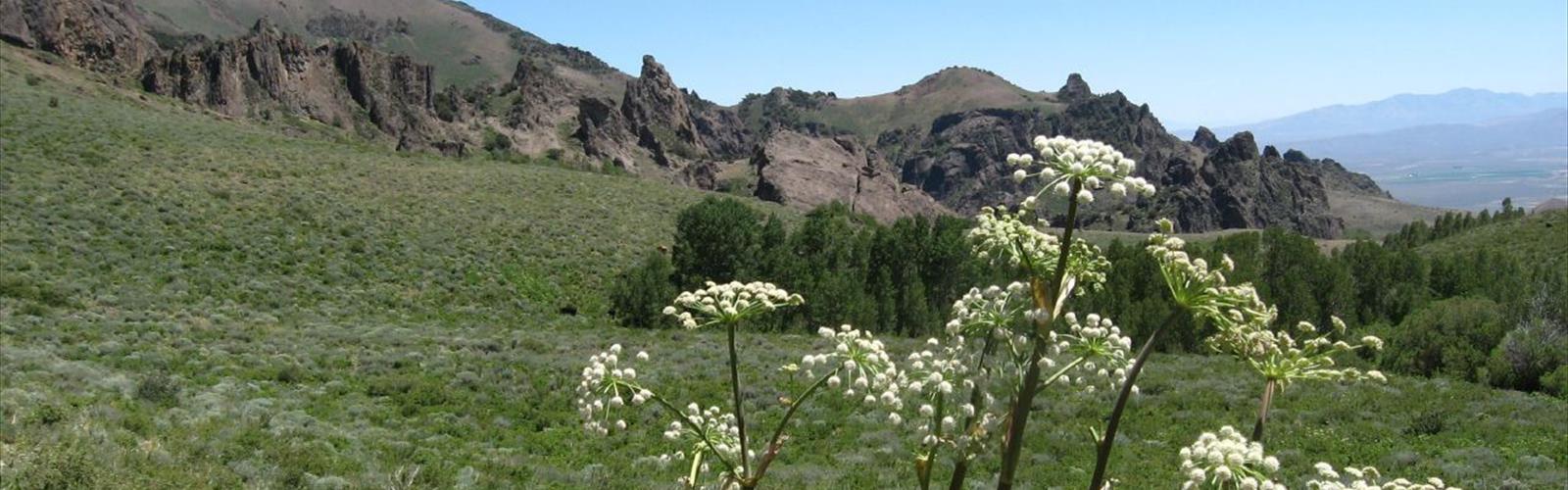

Ready to explore Humboldt Peak, Nevada? Here's everything you need to know before you go!
Discover the trail
Trail description
Humboldt Peak stands as one of Nevada's most challenging and rewarding mountaineering objectives, rising prominently in the Ruby Mountains. This imposing summit offers experienced climbers and mountaineers a serious alpine adventure in one of the state's most spectacular mountain ranges.
The Mountain and Approach
Humboldt Peak presents a formidable climbing challenge that demands technical skills, proper equipment, and extensive mountaineering experience. The mountain's steep faces and exposed ridges create an alpine environment that feels more akin to major ranges than typical Nevada peaks. The approach itself requires careful route-finding and the ability to navigate complex terrain.
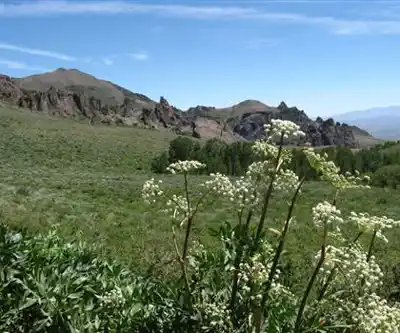
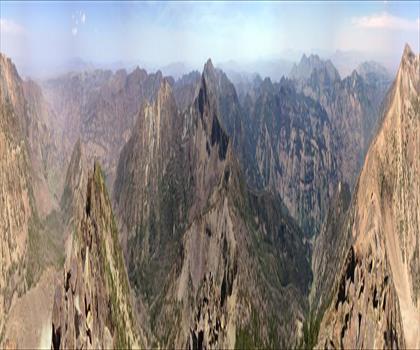
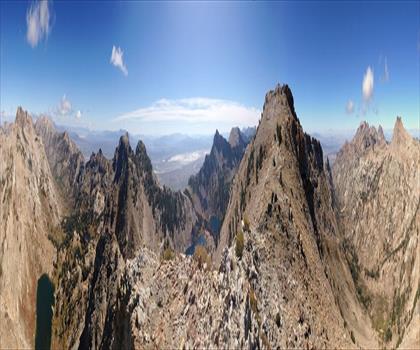
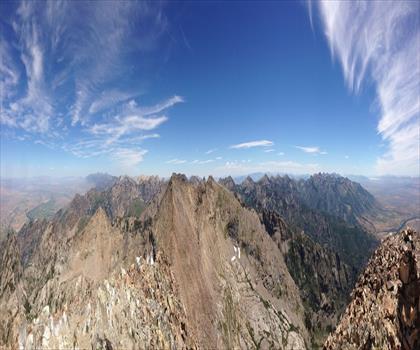
The Ruby Mountains provide a dramatic backdrop for this climbing objective, with their characteristic granite spires and alpine lakes creating a stunning high-country setting. The contrast between the surrounding desert valleys and this alpine environment makes the experience particularly striking for climbers making the journey.
Technical Climbing Considerations
This is not a hiking trail but rather a serious mountaineering route that requires technical climbing skills. Climbers should be prepared for exposed rock sections, potential loose rock hazards, and the need for rope work and protection placement. The route demands experience with multi-pitch climbing techniques and the ability to assess and manage alpine risks.
Weather conditions can change rapidly at elevation, and climbers must be prepared for everything from intense sun exposure to sudden storms. The exposed nature of much of the route means that retreat options may be limited once committed to the upper sections of the mountain.
Equipment and Preparation
A full rack of climbing protection is essential, including a selection of cams, nuts, and pitons appropriate for granite climbing. Climbers should carry a rope suitable for multi-pitch climbing, along with standard alpine climbing gear including helmets, harnesses, and approach shoes or climbing boots.
Navigation equipment is crucial, as route-finding can be complex, particularly in poor visibility. Climbers should study the route thoroughly before attempting the climb and be prepared with detailed maps and GPS devices. Emergency equipment, including first aid supplies and emergency shelter, is essential given the remote nature of the location.
Seasonal Conditions and Timing
The climbing season for Humboldt Peak is typically limited to the warmer months when snow and ice conditions don't add additional technical challenges. Even during the best conditions, climbers should be prepared for cold temperatures at elevation and the possibility of afternoon thunderstorms that are common in the Ruby Mountains.
Early season attempts may encounter snow and ice on the route, significantly increasing the technical difficulty and requiring additional mountaineering equipment. Late season climbing can offer more stable weather but may present its own challenges with rock quality and daylight hours.
Route Character and Experience
The climbing experience on Humboldt Peak combines technical rock climbing with alpine route-finding and endurance challenges. Climbers will encounter a variety of rock types and climbing styles, from crack systems to face climbing, often with significant exposure.
The mental challenges of the route are as significant as the physical ones. The commitment level is high, and climbers must be comfortable making decisions in an alpine environment where rescue would be extremely difficult. The sense of isolation and the serious nature of the climbing create an intense mountaineering experience.
Safety and Risk Management
This climbing objective should only be attempted by experienced mountaineers with extensive multi-pitch climbing experience. The remote location means that self-rescue capabilities are essential, and climbers should never attempt the route without proper training and experience in alpine rescue techniques.
Communication with the outside world may be limited or impossible from much of the route, so climbers should leave detailed plans with reliable contacts and stick to their intended timeline. The serious nature of this climb cannot be overstated – it requires the same level of preparation and respect as major alpine routes in more famous mountain ranges.
Weather monitoring is crucial, and climbers should be prepared to turn back if conditions deteriorate. The exposed nature of much of the route makes it particularly dangerous in storms, and retreat may become impossible once committed to certain sections of the climb.
The Essential Hiking Checklist
Everything you need for your next hike. Bilingual, printable, 1 page.
Get your free hiking checklistRecommended gear for this trail
As an Amazon Associate I earn from qualifying purchases.


Ready to go?
Everything you need to know before you goWhen?
How much?
As an Amazon Associate I earn from qualifying purchases.
Affiliate links — LGPO may earn a commission at no extra cost to you.
- Hiking shoes Essential
- → Salomon Elixir Tour Mid WP · 203.38 $
- Layered clothing Essential
- Rain jacket Essential
- Trekking poles
- → Black Diamond Trail Ergo Cork · 69.99 $
- Headlamp
- → Petzl Actik Core 625 · 103.95 $
FAQ - Frequently asked questions
Everything you need to knowSimilar hikes nearby
Discover other trails you might enjoy
Hiking near Kelowna
45 trails to explore ~1055 km away
We work hard to provide the most up-to-date and error-free data possible. If something seems incorrect, let us know! Your contribution helps the whole community.
Hikers' opinions
Be the first to review!
No hiker has shared their experience yet. Share your impressions and help other hikers!