
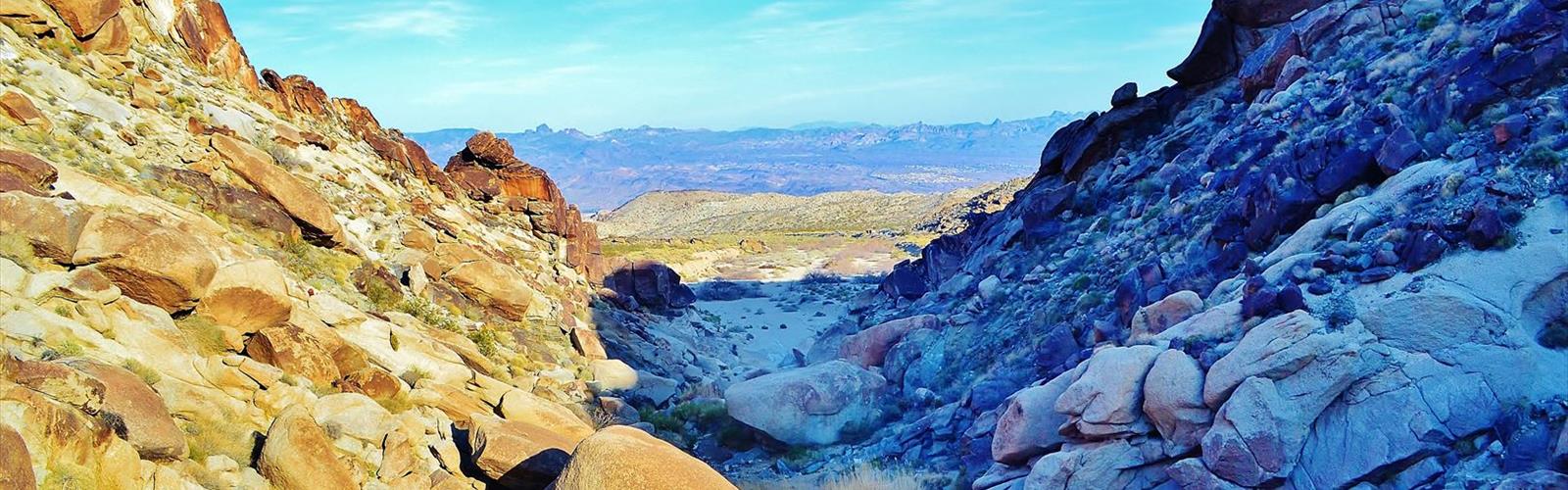

Ready to explore Spirit Mountain, Nevada? Here's everything you need to know before you go!
Discover the trail
Trail description
Spirit Mountain — known to the Mojave people as Avikwame — is one of the most spiritually significant peaks in the American Southwest, and it also happens to be a genuinely rewarding climb for hikers willing to put in the effort. Located in the southern tip of Nevada near the California border, this summit rises dramatically above the surrounding desert and offers a perspective on the Mojave that's hard to match anywhere in the Las Vegas Valley region.
This isn't a groomed trail with signage every hundred meters. Spirit Mountain is a raw, rugged desert climb that asks you to pay attention, move carefully, and respect the landscape you're moving through. That combination of physical challenge and deep cultural weight makes it unlike most peaks in the area.
Cultural and Historical Significance
Before anything else, it's worth understanding what this mountain means. For the Mojave, Yuman, and other Indigenous peoples of the Colorado River region, Avikwame is the place of creation — the spot where the creator god Mastamho descended to earth and gave life to the people. It remains an active sacred site today, not a relic of the past.
That context shapes how you should approach the climb. Treat the mountain with the same respect you'd bring to any place of deep cultural importance. Don't disturb rock formations, don't remove anything, and keep noise to a minimum. The mountain deserves that, and so do the communities for whom it holds living meaning.
The Terrain
Spirit Mountain sits within the Newberry Mountains, a range that juts up sharply from the flat desert floor near Laughlin, Nevada. The landscape here is classic Mojave — rocky, dry, and surprisingly varied once you start gaining elevation. You'll move through creosote and brittlebush at the base, transition into desert scrub as you climb, and encounter exposed granite and volcanic rock near the upper sections.
The route to the summit is not a maintained trail in the traditional sense. Much of the ascent involves route-finding across open terrain, scrambling over loose rock, and navigating steep sections that require using your hands. The upper mountain in particular demands careful footing — the rock can be unstable, and the exposure increases significantly as you approach the top.
The summit itself is a broad, rocky crown with sweeping views in every direction. On a clear day, you can see deep into California to the west, across the Colorado River into Arizona to the east, and south toward the Mojave's open expanse. The Las Vegas Valley sits to the north, and the contrast between that urban sprawl and the wild terrain underfoot is striking.
What to Expect on the Climb
This is a serious desert climb, not a casual day hike. The approach involves navigating rough desert terrain before the real elevation gain begins. Once you're on the mountain proper, the route steepens considerably and requires sustained effort. Scrambling experience is a genuine asset here — if you're not comfortable moving on loose, steep rock, this summit will feel committing.
Route-finding is part of the challenge. There's no single obvious path, and conditions can vary. Going with someone who has done the route before, or doing thorough research before you head out, will make a real difference. A GPS track or detailed route description is strongly recommended.
The desert environment adds its own layer of seriousness. Heat is the primary hazard for most of the year. The Mojave sun is intense, shade is essentially nonexistent on the upper mountain, and the rocky terrain radiates heat aggressively. Carrying significantly more water than you think you'll need is not optional — it's the baseline for doing this safely.
Wildlife and Desert Ecology
The Newberry Mountains support a solid cross-section of Mojave desert wildlife. Desert bighorn sheep are present in the range and occasionally spotted on the rocky slopes. Chuckwallas, desert iguanas, and various lizard species are common on sunny days. Rattlesnakes are present and active in warmer months — watch where you place your hands and feet, especially when scrambling.
Raptors are frequently seen riding thermals above the ridgelines. The plant life, while sparse by temperate standards, is well-adapted and worth paying attention to — the transition zones between elevation bands are more distinct than they might first appear.
Practical Information
- Location: Spirit Mountain (Avikwame) is located in the Newberry Mountains near Laughlin, in southern Nevada, within the Las Vegas Valley region.
- Access: The area is managed as part of the Newberry Mountains Wilderness within the Lake Mead National Recreation Area jurisdiction. Check current access conditions before heading out, as desert roads can be affected by weather and seasonal closures.
- Water: There is no water available on the mountain. Carry all water you'll need from the trailhead — plan generously.
- Season: The most manageable window for this climb is late fall through early spring, when temperatures are cooler. Summer heat in the Mojave makes this route genuinely dangerous and is best avoided entirely.
- Gear: Sturdy hiking boots with ankle support and good grip are essential given the loose, rocky terrain. Trekking poles can help on the descent. Sun protection — hat, sunscreen, long sleeves — is non-negotiable.
- Navigation: Bring a downloaded GPS track or a detailed route description. Cell service in this area is unreliable.
- Leave No Trace: Given the cultural significance of this site, Leave No Trace principles apply with particular weight here. Pack out everything you bring in.
Who This Climb Is For
Spirit Mountain is best suited to hikers who are comfortable with off-trail desert travel, have some scrambling experience, and understand how to manage themselves in a serious heat environment. It's not the right choice for beginners or for anyone who hasn't spent time navigating technical desert terrain. That said, for experienced desert hikers, it's one of the more meaningful and memorable summits accessible from the Las Vegas Valley — a place where the physical effort and the cultural depth of the landscape come together in a way that's genuinely hard to find elsewhere in the region.
The Essential Hiking Checklist
Everything you need for your next hike. Bilingual, printable, 1 page.
Get your free hiking checklistRecommended gear for this trail
As an Amazon Associate I earn from qualifying purchases.


Ready to go?
Everything you need to know before you goWhen?
How much?
As an Amazon Associate I earn from qualifying purchases.
Affiliate links — LGPO may earn a commission at no extra cost to you.
- Hiking shoes Essential
- → Salomon Elixir Tour Mid WP · 203.38 $
- Layered clothing Essential
- Rain jacket Essential
- Trekking poles
- → Black Diamond Trail Ergo Cork · 69.99 $
- Headlamp
- → Petzl Actik Core 625 · 103.95 $
FAQ - Frequently asked questions
Everything you need to knowSimilar hikes nearby
Discover other trails you might enjoy
Temple Mesa
Las Vegas Valley
Churchill Peak
Las Vegas Valley
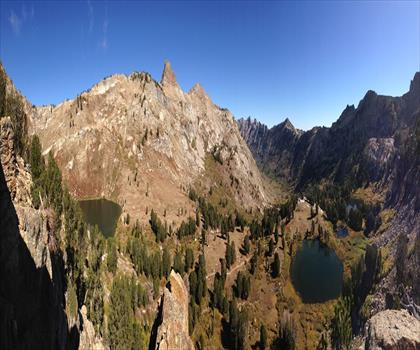
Ruby Crest National Recreation Trail
Las Vegas Valley
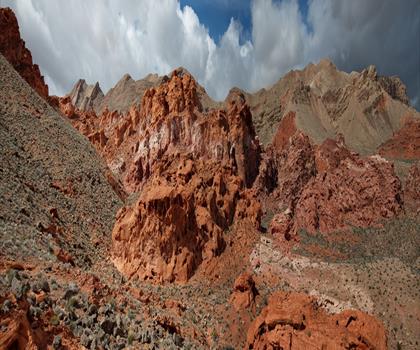
Bowl of Fire
Las Vegas Valley
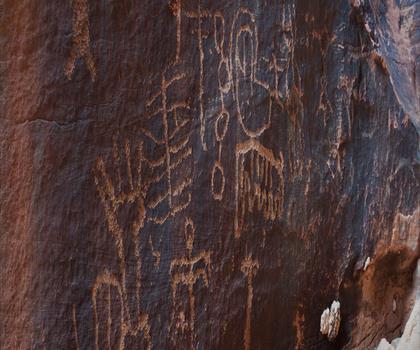
Gold Butte, Nevada
Las Vegas Valley
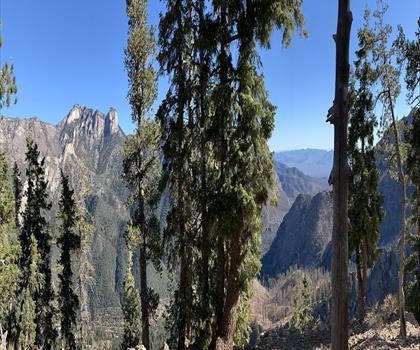
Harris Mountain, Nevada
Las Vegas Valley
Hiking near Victoria
93 trails to explore ~1625 km away
We work hard to provide the most up-to-date and error-free data possible. If something seems incorrect, let us know! Your contribution helps the whole community.
Hikers' opinions
Be the first to review!
No hiker has shared their experience yet. Share your impressions and help other hikers!