
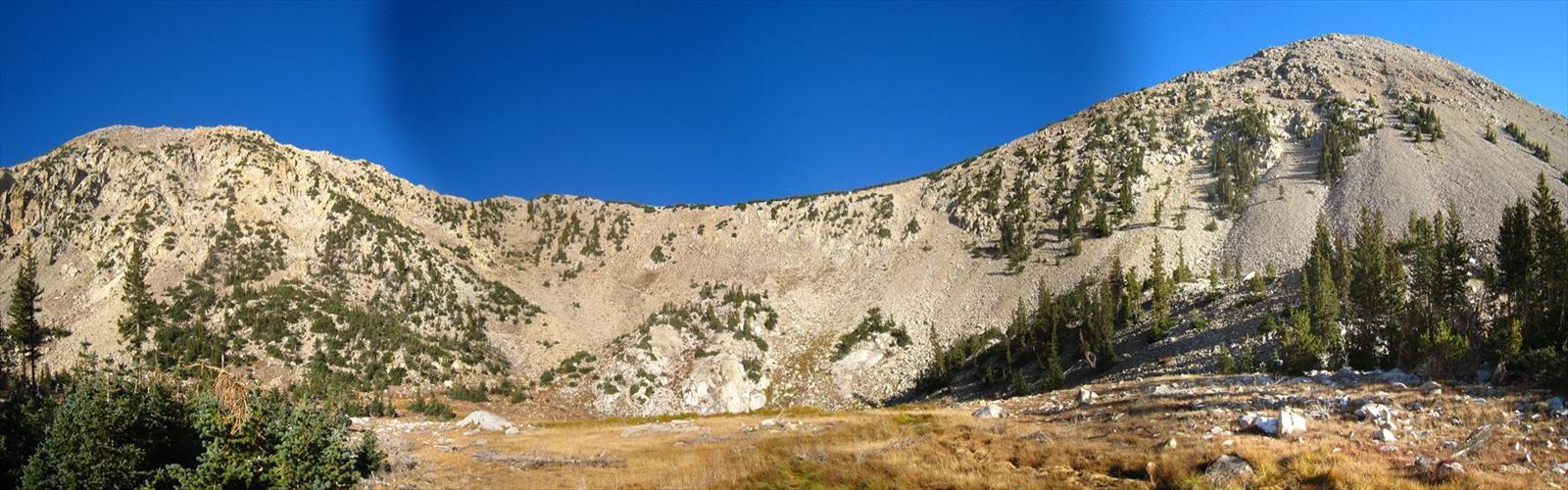

Ready to explore Mount Washington, Nevada? Here's everything you need to know before you go!
Discover the trail
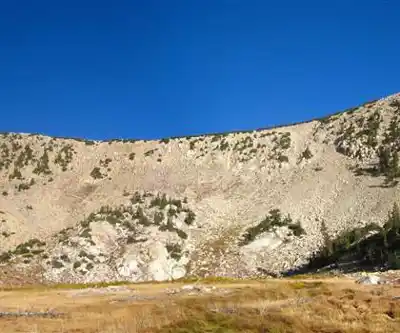
Trail description
Mount Washington is one of the more compelling summit objectives in eastern Nevada — a peak that rewards those willing to put in the effort with genuine high-country solitude and sweeping views across a landscape that most people drive right past on their way somewhere else. This is the kind of place that reminds you why Nevada is so much more than desert flats.
The Climb
Mount Washington is a mountaineering and scrambling objective rather than a standard hiking trail. The route to the summit involves navigating rocky terrain and gaining significant elevation through the Snake Range, the same dramatic mountain chain that contains Great Basin National Park just to the south. The peak sits in eastern Nevada's high country, where the elevation brings cooler temperatures, open ridgelines, and a completely different feel from the basin floors below.
The approach and summit push require solid route-finding skills and comfort on loose or rocky terrain. This is not a marked trail with signage guiding you step by step — it's a mountain climb, and you should come prepared for that. Sturdy boots with ankle support, trekking poles, and layers for rapidly changing weather are all worth bringing. Afternoon thunderstorms are a real concern in the warmer months, so early starts are strongly recommended.
The Terrain and Setting
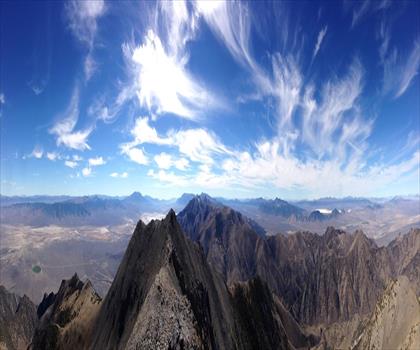
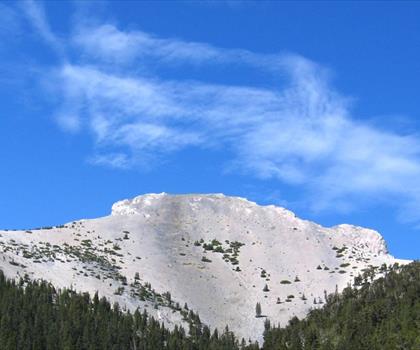
Eastern Nevada's Snake Range is a classic Basin and Range landscape — an isolated mountain island rising dramatically from the surrounding valleys. Mount Washington sits within this range, offering the kind of exposed, rugged terrain that defines Great Basin climbing. As you gain elevation, the vegetation shifts from sagebrush and scrub at the base through stands of pinyon pine and juniper, eventually giving way to subalpine conditions near the summit.
The views from the upper reaches of the mountain are expansive. Eastern Nevada's wide open geography means you can see enormous distances in multiple directions — distant ranges, valley floors, and the kind of sky that only exists in the interior West. On a clear day, the panorama is genuinely impressive.
Who This Is For
Mount Washington in Nevada is best suited for:
- Experienced hikers and scramblers comfortable with off-trail navigation and rocky, uneven terrain
- Climbers looking for a non-technical peak that still demands fitness and route-finding ability
- Anyone seeking true backcountry solitude — eastern Nevada sees a fraction of the foot traffic of more famous ranges
- Photographers and landscape enthusiasts drawn to the dramatic Basin and Range scenery
This is not a beginner outing. If you're new to off-trail mountain travel, build up your experience on more straightforward terrain before attempting this one.
Practical Considerations
Eastern Nevada is remote. Services are limited in the surrounding area, so come self-sufficient — full water supply, food, navigation tools (map and compass or GPS), and emergency gear. Cell service is unreliable or nonexistent in this part of the state, so let someone know your plans before you head out.
Water sources on the mountain should not be taken for granted. Carry enough water from the trailhead, or be prepared to filter from any sources you find along the way. Conditions on the mountain can change quickly, especially at higher elevations, so check the weather forecast before you go and be ready to turn around if conditions deteriorate.
Getting There
Mount Washington is located in the Snake Range of eastern Nevada. Access roads in this part of the state can be rough and may require a high-clearance vehicle depending on conditions. Research current road conditions before your trip, particularly if you're visiting in early season when snow or mud can affect access.
The nearest services and fuel are in the small communities of eastern Nevada, so plan accordingly and don't arrive on fumes — both literally and figuratively.
Best Time to Visit
The summer months — roughly late June through September — offer the most reliable window for attempting Mount Washington. Snow can linger at higher elevations well into spring, and early fall can bring the first new snowfall. Midsummer brings the risk of afternoon thunderstorms, which makes starting early in the morning the smart play. Spring and fall shoulder seasons can work for experienced mountaineers comfortable with snow travel, but conditions vary significantly year to year.
Whatever time of year you visit, Mount Washington delivers an authentic eastern Nevada mountain experience — remote, rugged, and well worth the drive out to one of the least-visited corners of the American West.
The Essential Hiking Checklist
Everything you need for your next hike. Bilingual, printable, 1 page.
Get your free hiking checklistRecommended gear for this trail
As an Amazon Associate I earn from qualifying purchases.


Ready to go?
Everything you need to know before you goWhen?
How much?
As an Amazon Associate I earn from qualifying purchases.
Affiliate links — LGPO may earn a commission at no extra cost to you.
- Hiking shoes Essential
- → Salomon Elixir Tour Mid WP · 203.38 $
- Layered clothing Essential
- Rain jacket Essential
- Trekking poles
- → Black Diamond Trail Ergo Cork · 69.99 $
- Headlamp
- → Petzl Actik Core 625 · 103.95 $
FAQ - Frequently asked questions
Everything you need to knowSimilar hikes nearby
Discover other trails you might enjoy
Hiking near Victoria
93 trails to explore ~1283 km away
We work hard to provide the most up-to-date and error-free data possible. If something seems incorrect, let us know! Your contribution helps the whole community.
Hikers' opinions
Be the first to review!
No hiker has shared their experience yet. Share your impressions and help other hikers!