

Ready to explore Moby Grape? Here's everything you need to know before you go!
Discover the trail
Oh no! We don't have any photos 😢
This trail hasn't been captured yet. Be the first to share your adventure!Trail description
Moby Grape is a hiking destination tucked into the White Mountains of New Hampshire — one of the most iconic mountain regions in the northeastern United States. While the name might raise an eyebrow, this spot has earned its place among the trails that outdoor enthusiasts seek out when exploring this rugged corner of New England. The White Mountains are known for their dramatic terrain, unpredictable weather, and a trail network that ranges from casual forest walks to serious alpine challenges, and Moby Grape fits right into that landscape.
The White Mountains Setting
New Hampshire's White Mountains form the backbone of outdoor recreation in the state. The region is defined by its exposed ridgelines, dense boreal forests, cascading streams, and rocky summits that punch well above the surrounding terrain. Trails here tend to be well-traveled but genuinely demanding — the mountains don't soften their edges for anyone. Moby Grape sits within this broader context, offering hikers a taste of what makes the White Mountains worth the drive from anywhere in the Northeast.
The area is managed within a landscape that balances conservation with public access, a balance the White Mountains have maintained for generations. Whether you're coming from a nearby trailhead hub or venturing deeper into the backcountry, the approach to Moby Grape puts you squarely in terrain that rewards attention and preparation.
What to Expect on the Trail
Hiking in the White Mountains means dealing with terrain that changes character quickly. Trails that start as gentle forest paths can transition into boulder scrambles or exposed ridges within a short stretch. Moby Grape is no exception to the general character of trails in this region — expect roots, rocks, and elevation changes that keep you engaged throughout.
The forest cover in this part of New Hampshire typically shifts as you gain elevation. Lower sections tend to move through mixed hardwood and conifer forest, where the canopy provides shade and the trail surface stays soft underfoot. As you climb, the trees thin and the terrain opens up, giving way to the kind of views that define a White Mountains hike. The transition zones between forest types are worth slowing down for — they're where you start to feel the mountain shift beneath you.
Footing demands attention throughout. The White Mountains are notorious for wet, slippery rock, especially after rain or in the early morning when dew settles on exposed surfaces. Trekking poles are a smart call for anyone who wants extra stability on the descents.
Getting There
Access to trails in the White Mountains generally requires some planning. Parking areas fill up early on weekends, particularly during the summer and fall foliage seasons when the region draws visitors from across the country. Arriving early — ideally before 8 a.m. on busy weekends — makes a real difference in securing a spot and getting a quieter start on the trail.
The White Mountain National Forest covers a significant portion of the region, and many trailheads within its boundaries require a parking pass. It's worth confirming the specific access requirements for the Moby Grape trailhead before you go, as fee structures and pass requirements can vary by location within the forest.
Gear and Preparation
The White Mountains have a well-earned reputation for weather that shifts fast and hard. Even on a clear summer day, conditions at elevation can turn cold and wet with little warning. Packing a rain layer and an extra insulating layer is standard practice here, regardless of the forecast. Hypothermia is a real risk in this range, and the mountains have seen rescues on days that started sunny.
- Footwear: Waterproof hiking boots with solid ankle support are the right call for White Mountains terrain. Trail runners work for experienced hikers who know the ground, but the rocks and roots here are unforgiving on light footwear.
- Water: Carry more than you think you need. Stream crossings exist in the region, but water treatment is essential before drinking from any backcountry source.
- Navigation: A downloaded offline map or a paper topo is worth having. Cell service in the White Mountains is inconsistent, and trails can be harder to follow in low visibility.
- Layers: Even in July, a fleece or light down jacket earns its weight in your pack once you hit exposed terrain.
- Headlamp: If there's any chance your hike runs long, a headlamp keeps a late return from becoming a problem.
Best Times to Visit
The White Mountains are a four-season destination, but each season comes with its own considerations. Summer offers the longest days and the most reliable trail conditions, though it also brings the heaviest crowds. Fall is arguably the most spectacular time to hike in New Hampshire — the foliage in the White Mountains is among the best in the country, and the cooler temperatures make for comfortable hiking. Expect company on the trail during peak foliage weekends in late September and early October.
Spring hiking in the White Mountains requires caution. Snowpack lingers well into May at higher elevations, and mud season can make lower trails genuinely difficult to navigate without churning them up. Many hikers wait until late May or June before heading into the higher terrain. Winter hiking is absolutely possible here, but it's a serious undertaking that demands mountaineering experience, proper gear, and a solid understanding of avalanche and cold-weather risk.
Leave No Trace in the White Mountains
The White Mountains see heavy foot traffic, and the impact shows on popular trails. Staying on marked paths, packing out all waste, and avoiding shortcuts that cut across switchbacks all make a direct difference in keeping the terrain intact for the next hiker. The alpine zones above treeline are particularly fragile — the vegetation that grows there takes decades to recover from a single boot print off the trail. Step on rock when you can, and keep the group on the established path even when it's muddy.
Camping regulations in the White Mountain National Forest are specific and worth reviewing before any overnight trip — designated sites, fire restrictions, and group size limits all apply in different zones throughout the forest.
Who This Hike Is For
Moby Grape suits hikers who are comfortable on uneven, rocky terrain and who come prepared for the conditions the White Mountains are known to deliver. It's not a destination for first-time hikers in casual footwear, but it's well within reach for anyone with a reasonable base of trail experience and the right gear in their pack. The White Mountains reward the hikers who take them seriously — and Moby Grape is a solid reason to do exactly that.
The Essential Hiking Checklist
Everything you need for your next hike. Bilingual, printable, 1 page.
Get your free hiking checklistRecommended gear for this trail
As an Amazon Associate I earn from qualifying purchases.


Ready to go?
Everything you need to know before you goWhen?
How much?
As an Amazon Associate I earn from qualifying purchases.
Affiliate links — LGPO may earn a commission at no extra cost to you.
- Hiking shoes Essential
- → Salomon Elixir Tour Mid WP · 203.38 $
- Layered clothing Essential
- Rain jacket Essential
- Trekking poles
- → Black Diamond Trail Ergo Cork · 69.99 $
- Headlamp
- → Petzl Actik Core 625 · 103.95 $
FAQ - Frequently asked questions
Everything you need to knowSimilar hikes nearby
Discover other trails you might enjoy

Crawford
White Mountains
Presidential Range Rail Trail
White Mountains
Welch-Dickey Trailhead
White Mountains
Sabbaday Falls
White Mountains
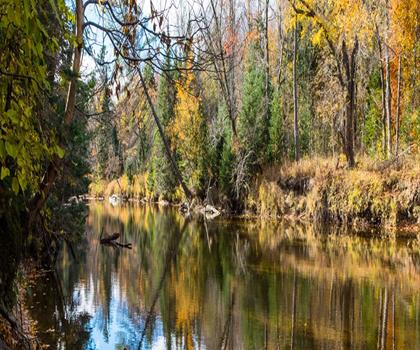
Swift River
White Mountains
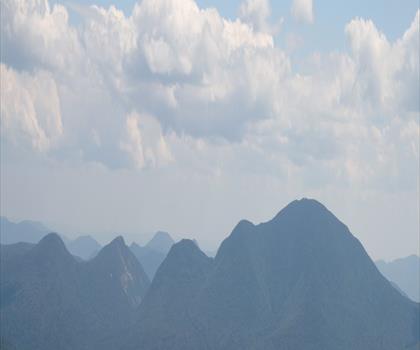
Mt Bond
White Mountains
Hiking near North Conway
0 trails to explore ~43 km away
We work hard to provide the most up-to-date and error-free data possible. If something seems incorrect, let us know! Your contribution helps the whole community.
Hikers' opinions
Be the first to review!
No hiker has shared their experience yet. Share your impressions and help other hikers!