

Ready to explore Pueblo Canyon? Here's everything you need to know before you go!
Discover the trail
Oh no! We don't have any photos 😢
This trail hasn't been captured yet. Be the first to share your adventure!Trail description
Pueblo Canyon is one of those places in New Mexico that rewards curiosity. Carved into the volcanic tuff of the Pajarito Plateau, this canyon sits within the Los Alamos area and offers a hiking experience that blends rugged geology, rich cultural history, and a landscape that feels genuinely remote — even though it's accessible right from town.
The Landscape
The canyon itself is shaped by centuries of erosion cutting through layers of volcanic rock, creating dramatic walls of pale tuff streaked with rust and ochre. The terrain is uneven and textured — loose rock underfoot in places, compacted earth in others, with pinyon pine and juniper dotting the slopes and canyon floor. Ponderosa pines appear as you gain elevation, and the shift in vegetation as you move through the canyon gives the hike a sense of progression that keeps things interesting.
The Pajarito Plateau sits at high elevation, which means the air is noticeably thinner than what flatlanders are used to. Even experienced hikers coming from lower elevations should give themselves time to adjust before pushing hard on the trail.
Cultural and Historical Significance
Pueblo Canyon carries deep historical weight. The canyon and the surrounding plateau were home to ancestral Pueblo peoples for centuries, and evidence of their presence — in the form of petroglyphs, cave dwellings, and archaeological sites — is woven into the landscape. This is not a place to rush through. Take time to look at the canyon walls carefully. Many of the cultural features are subtle, and they deserve respectful attention.
The Los Alamos area more broadly has a layered history that includes both Indigenous heritage and the more recent legacy of the Manhattan Project. Pueblo Canyon sits within that complex context, and hiking here connects you to both threads of that story in a way that's hard to replicate elsewhere in the region.
What the Trail Is Like
The trail through Pueblo Canyon follows the canyon bottom for much of its length, with some sections climbing the canyon walls to offer elevated views back down into the drainage. The footing demands attention — volcanic tuff can be slippery when wet, and some sections involve scrambling over rocks or navigating narrow ledges. It's not technical climbing, but it's not a groomed path either. Sturdy footwear with ankle support is a smart call.
The canyon walls close in at certain points, creating a sense of enclosure that contrasts sharply with the open plateau above. That shift in scale — from wide-open sky to tight canyon corridor — is one of the defining experiences of hiking here. It keeps the route feeling dynamic rather than monotonous.
Wildlife and Vegetation
The canyon supports a mix of high-desert and montane species. Mule deer are commonly spotted, particularly in the early morning and late afternoon. Raptors — including red-tailed hawks and occasionally golden eagles — use the canyon thermals and can often be seen circling overhead. Smaller wildlife like lizards and chipmunks are active throughout the warmer months.
The plant life reflects the transition zone between desert scrub and mountain forest. Cliffrose, Apache plume, and various native grasses fill in the canyon floor, while the upper slopes support denser stands of conifer. Wildflowers appear in spring and early summer, adding color to the otherwise earth-toned palette of the canyon.
Practical Information
Pueblo Canyon is located within the Los Alamos County trail system, which maintains a network of trails throughout the canyon lands surrounding the town. The trail is generally accessible from multiple entry points within the Los Alamos area, making it possible to combine it with other nearby routes for a longer outing.
- Footwear: Hiking boots or trail runners with good grip are strongly recommended. The volcanic tuff surface can be unpredictable, especially after rain.
- Water: Carry more than you think you need. The high-elevation desert environment is deceptively dry, and there is no reliable water source along the trail.
- Sun exposure: The canyon provides some shade, but exposed sections can be intense, particularly in summer. Sunscreen and a hat are essential.
- Altitude: Los Alamos sits well above 7,000 feet. If you're coming from a lower elevation, take the first part of your hike at an easy pace.
- Cultural sites: Stay on the trail near archaeological features. Do not touch petroglyphs or disturb any cultural materials. These sites are protected under federal and state law.
Dogs and Access
Dogs are generally welcome on Los Alamos County trails, but they must be kept on leash. Given the presence of wildlife and the sensitivity of some cultural sites along the canyon, keeping your dog under control is both a courtesy and a practical necessity. Check current county trail guidelines before your visit, as access conditions and rules can be updated.
Best Times to Visit
Spring and fall are the most comfortable seasons for hiking Pueblo Canyon. Summer mornings work well before the afternoon heat and the monsoon thunderstorms that roll through New Mexico from July through September. Winter hiking is possible on clear days, but snow and ice on the tuff surfaces can make footing genuinely hazardous — microspikes are worth bringing if there's any chance of frozen conditions.
Getting There
Pueblo Canyon is accessible from within the Los Alamos townsite. The Los Alamos County trail network provides multiple access points, and trail maps are available through the county's parks and recreation resources. Parking is available near the main trailheads, and the canyon is close enough to the town center that it's walkable from parts of Los Alamos — one of the things that makes it a genuinely local trail as much as a destination hike.
Whether you're a Los Alamos local looking for an after-work trail or a visitor exploring the Pajarito Plateau for the first time, Pueblo Canyon delivers a hike that's equal parts geological spectacle and cultural depth.
The Essential Hiking Checklist
Everything you need for your next hike. Bilingual, printable, 1 page.
Get your free hiking checklistRecommended gear for this trail
As an Amazon Associate I earn from qualifying purchases.


Ready to go?
Everything you need to know before you goWhen?
How much?
As an Amazon Associate I earn from qualifying purchases.
Affiliate links — LGPO may earn a commission at no extra cost to you.
- Hiking shoes Essential
- → Salomon Elixir Tour Mid WP · 203.38 $
- Layered clothing Essential
- Rain jacket Essential
- Trekking poles
- → Black Diamond Trail Ergo Cork · 69.99 $
- Headlamp
- → Petzl Actik Core 625 · 103.95 $
FAQ - Frequently asked questions
Everything you need to knowSimilar hikes nearby
Discover other trails you might enjoy
Tesuque Peak, New Mexico
North Central New Mexico
Lake Peak, New Mexico
North Central New Mexico
Venado Peak, New Mexico
North Central New Mexico
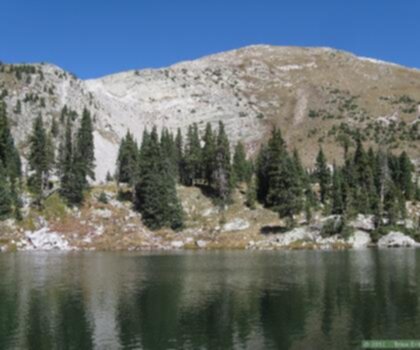
Truchas Peak, New Mexico
North Central New Mexico

Santa Fe Baldy
North Central New Mexico
Old Santa Fe Trail
North Central New Mexico
Hiking near Sydney
22 trails to explore ~7672 km away
We work hard to provide the most up-to-date and error-free data possible. If something seems incorrect, let us know! Your contribution helps the whole community.
Hikers' opinions
Be the first to review!
No hiker has shared their experience yet. Share your impressions and help other hikers!