Are Dogs Allowed?
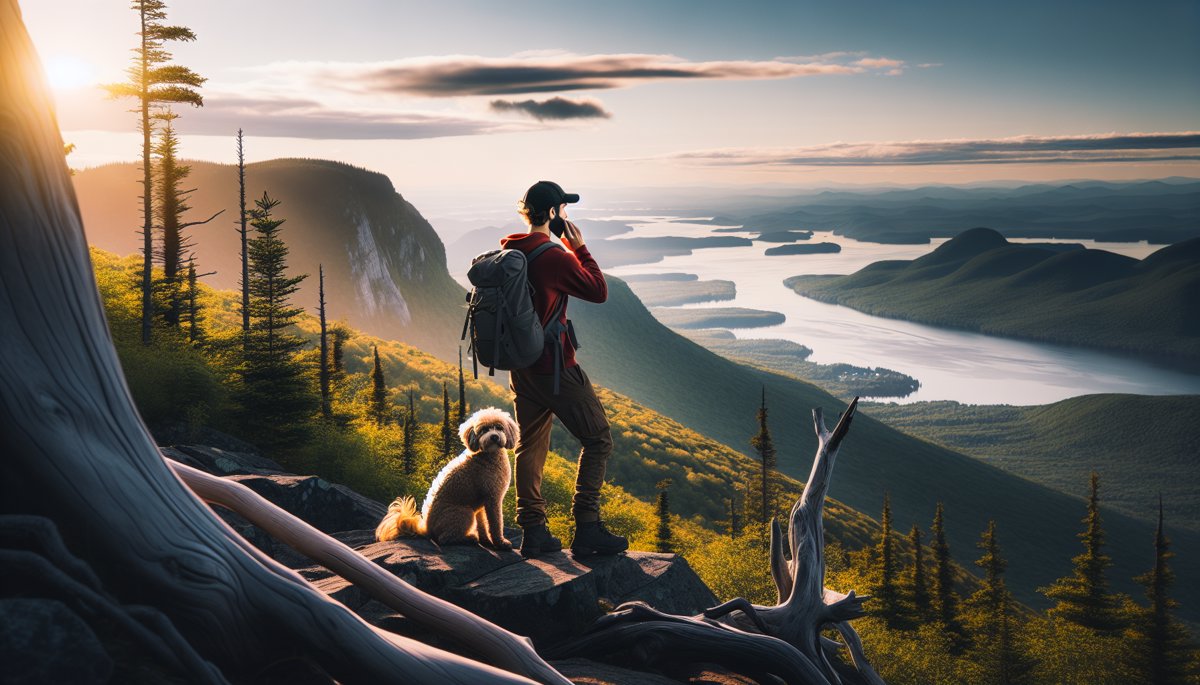

Your dog asks for nothing more than to get outside and go for a walk.
Why not do it in nature?
Human-canine partnerships are a wonderful thing. Some places can be interesting to visit with your dog; there's nothing better than cuddling with our dog at camp after a long day on the trails. But a location can also be inadequate for bringing your dog depending on the dog and the location.
Hiking with your dog is possible in many regions, but should only be attempted after careful consideration, planning and preparation.
Usually, dogs are accepted on leash in regional nature reserves, but you'll need to check on a case-by-case basis before planning your hike with your dog.
Are Dogs Allowed?
Generally, dogs must be kept on leash. The regulations that apply to you and your dog vary depending on the agency that manages a trail or section of trail. Usually there are no specific regulations about dogs; or there are different rules for different places (national parks, wilderness areas, etc.) and you may cross many jurisdictional boundaries.
Service dogs that assist disabled visitors are often accepted where other dogs are not. You must know the regulations. Be aware that you will very likely be contacted by a park ranger to inquire about the legitimacy of your dog as a service animal.
What Distance Can Be Covered Per Day?
Experienced hikers report covering up to 25-30 miles in one day. Without specific conditioning, an average fit dog can easily walk up to 5-10 miles. It probably won't be possible to maintain this pace for several consecutive days.

Basic Tips
Finding the right dog for a long hike is difficult. Just as long-distance hiking is difficult for us, it is also difficult for dogs. We've heard many sad stories: dogs injured or killed during a long-distance hike. In fact, injured and sick dogs are too common.
Take a wilderness first aid course. The skills you learn will be largely transferable to your dog.
Is your dog in good enough shape to hike? Just like you, your dog must have a training plan and exercise regularly.
Drinking Water
Your dog is susceptible to waterborne illnesses. Be careful about the water your dog drinks or swims in. It's particularly important to avoid water with foam, scum or mats. Blue-green algae blooms can quickly kill a dog.
Water and Snow Crossings

Snowmelt streams and steep snow are not suitable for dogs. These are significant hazards in spring.
Heat-Related Emergencies
Dogs cannot regulate their internal body temperature as well as you can. And they can be very motivated to follow their owners at any cost. Be very careful when hiking in hot weather. Take frequent breaks to allow your dog to cool down. Bring extra water. Know the signs and symptoms of heat exhaustion.
Overuse Injuries
Joints, particularly hips, can suffer from walking too long. Don't let an overuse injury develop. They can be permanent.
Dogs are extraordinary companions and people have close bonds with them, but there are many considerations and obstacles to overcome for the experience to work well for everyone in the wilderness.
25 hikes under 2 hours from Montreal
Distance, elevation, parking and season for each one. The ones we go back to ourselves.
Get the guide
About the author
François Dumaine
Founder of Let's Go Play Outside
A passionate hiker, photographer and content creator, François has been hiking the trails of Quebec and Alberta since 2014. He founded Let's Go Play Outside to give you the information he wished he had before heading out.
Get our best guides
One article per week to level up your outdoor game. No spam, promise.
You might be interested in
10 Beginner Hiking Mistakes That Can Ruin Your Trip: Learn How to Easily Avoid Them
11 Tips to Get Your Kids Started with Hiking
5 Essential Things to Know for Planning Your First Bike Adventure
7 Secrets Girls Should Know About Hiking

7 Tips to Get Your Princess Girlfriend Into Outdoor Activities

Hiking in Quebec: Your Ultimate Complete Guide to Start Safely and Discover the Most Beautiful Trails
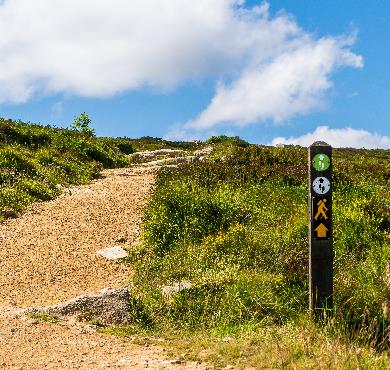
How to Assess Trail Difficulty Before You Go: Complete Guide to Choosing Routes That Match Your Abilities
How to Choose a Trail?
How to Start Hiking?