I've always said that the mountains rarely forgive being unprepared. After 15 years exploring Quebec's trails and beyond, I've seen my share of emergencies: sprains on slippery rocks, cuts from poorly handled knives, hypothermia from negligence. First aid on the trail isn't just about equipment – it's a mindset, preparation that can literally save lives.
Whether you're a beginner or seasoned hiker, mastering trail emergency basics will give you the confidence needed to explore further, more peacefully. I'll share my proven techniques, costly mistakes, and most importantly, the actions that really count when things go wrong.
Get my gifts →
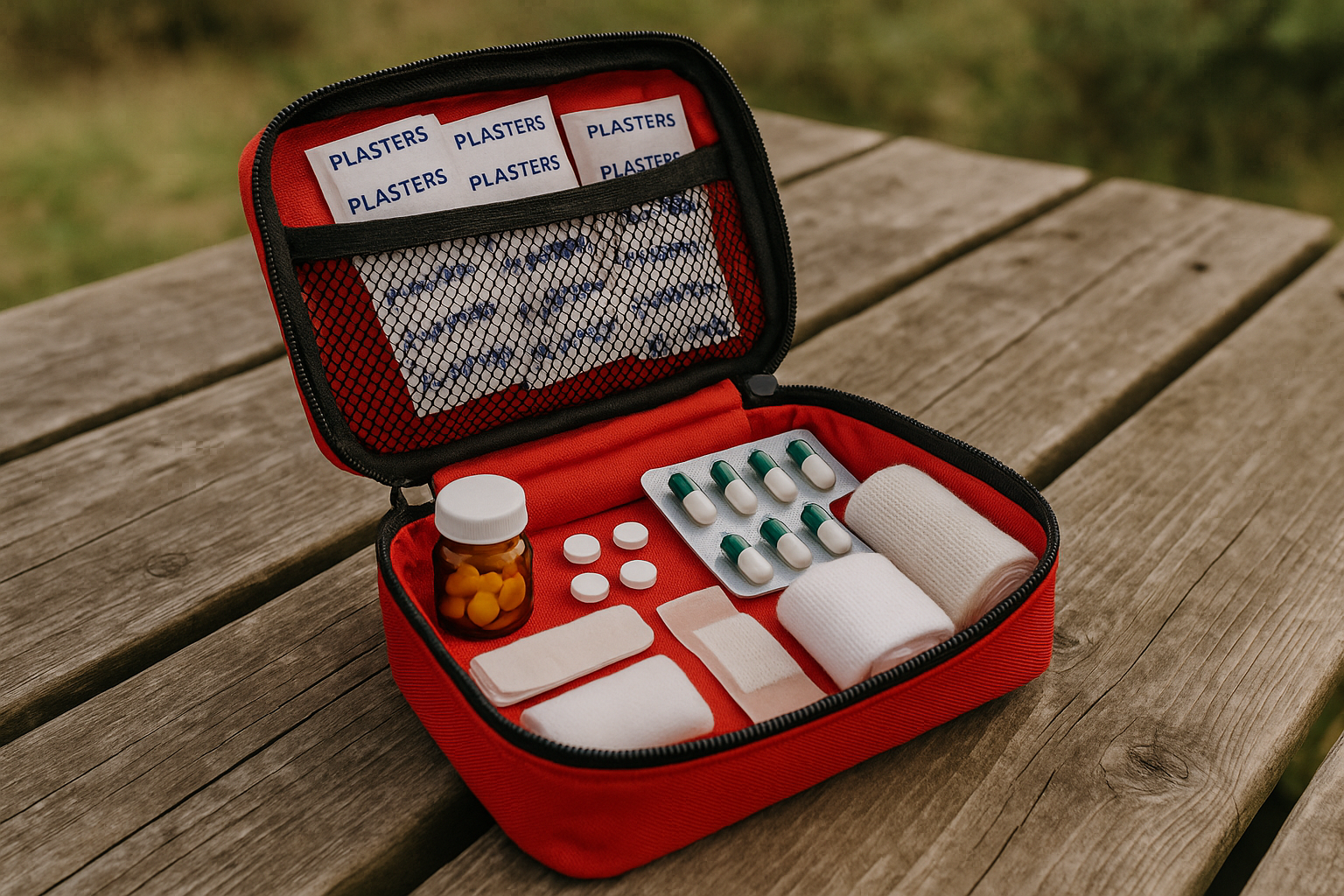
🎒 What to Pack in Your First Aid Kit: Trail Essentials
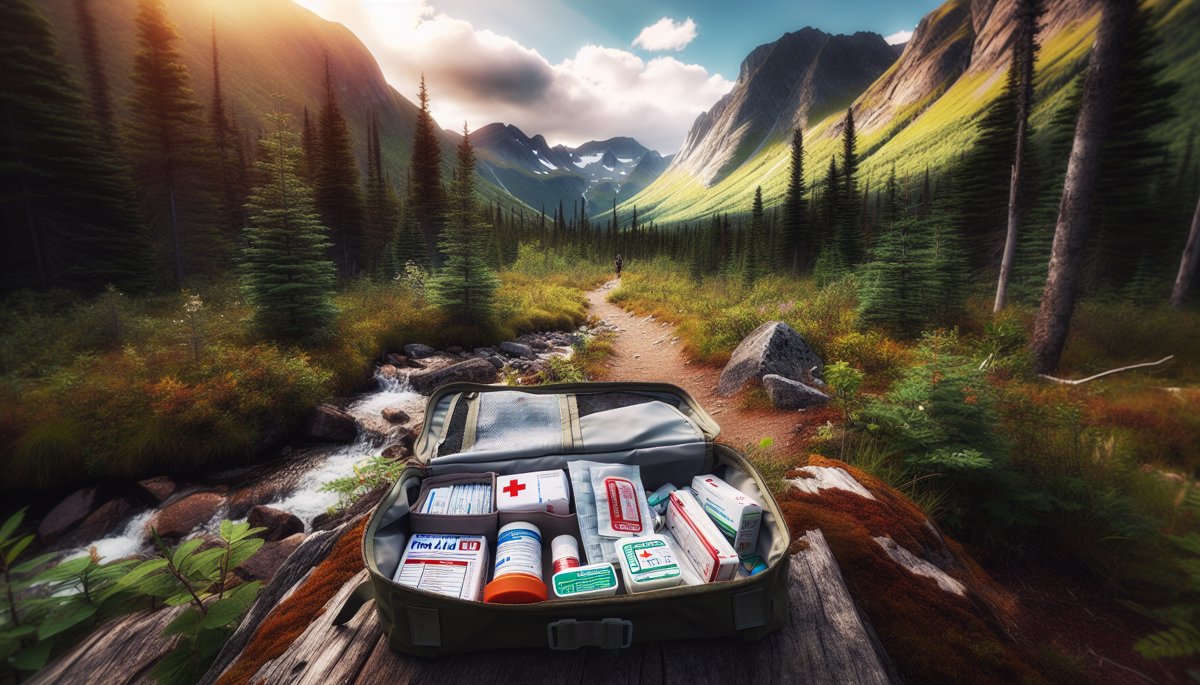
My first kit was a disaster: too heavy, poorly organized, with useless stuff taking up space. I learned the hard way that a good kit is the balance between weight and utility.
| Category | Essential | Approximate Weight |
|---|---|---|
| Wounds and cuts | Adhesive bandages, sterile gauze, medical tape | 50g |
| Sprains/strains | Elastic bandage, tensor | 80g |
| Medications | Ibuprofen, acetaminophen, antihistamine | 30g |
| Tools | Scissors, tweezers, thermometer | 40g |
| Protection | Nitrile gloves, pocket mask | 20g |
For day hikes, aim for 200-250g maximum. Beyond that, you're starting to carry a field hospital. My trick: review your kit after each season and replace expired medications.
Quebec-Specific Must-Haves
- Sunscreen – even in forest, reflection off snow or water burns
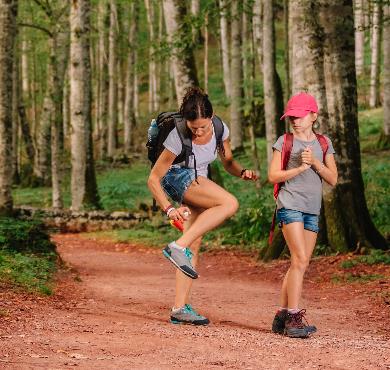
- Bug spray – I've seen people turn back because of black flies
- Instant cold compresses – perfect for sprains on rough terrain
- Emergency whistle – sound carries farther than your tired voice
🚨 The 5 Most Common Trail Emergencies (and How to React)
Let me tell you: my worst emergency was on Mont du Lac des Cygnes. My partner twisted his ankle on a wet root. 8 km from the parking lot, no cell signal. Fortunately, I had the right techniques.
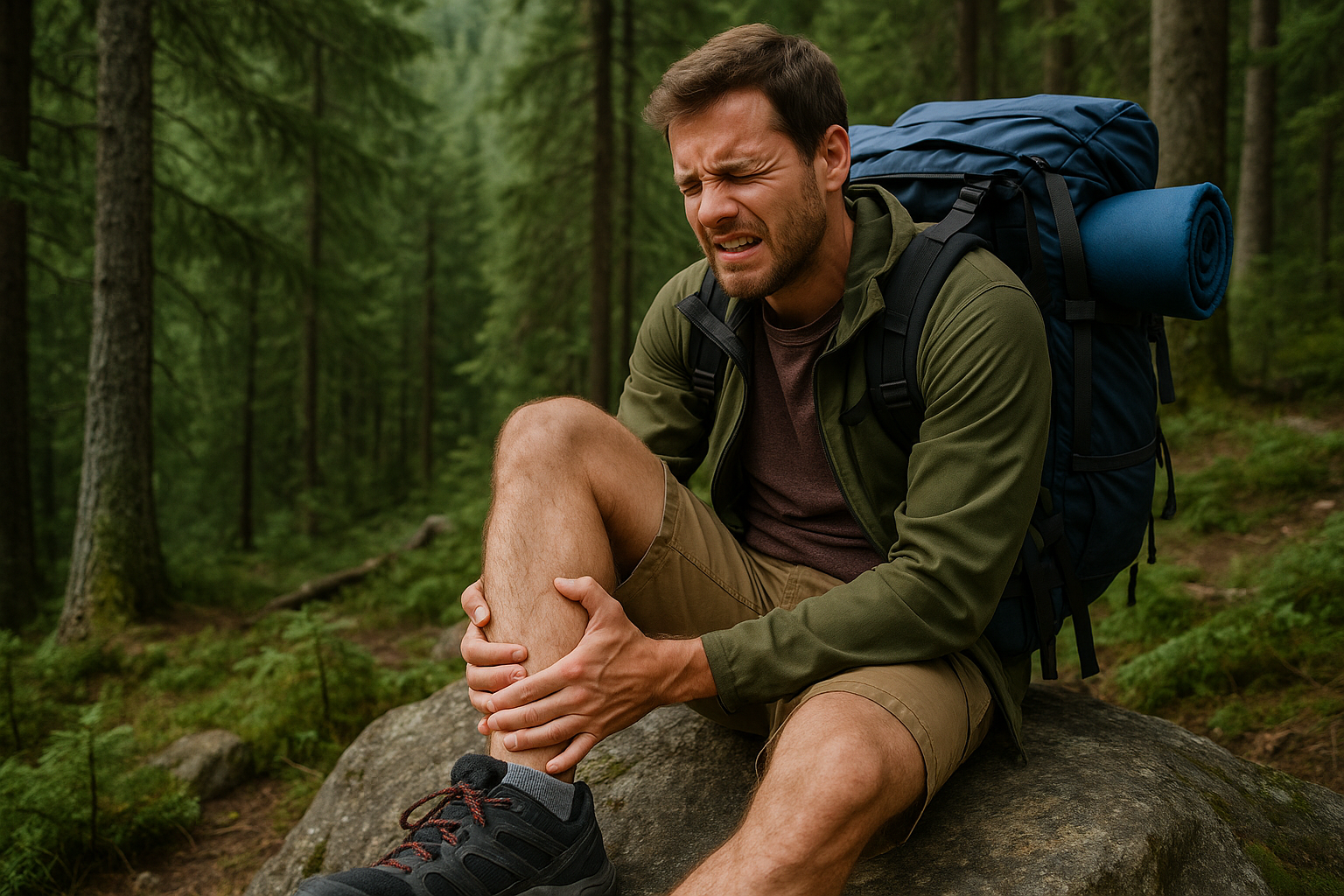
1. Sprains and Strains
RICE Protocol – Rest, Ice, Compression, Elevation:
- Immediately immobilize the area
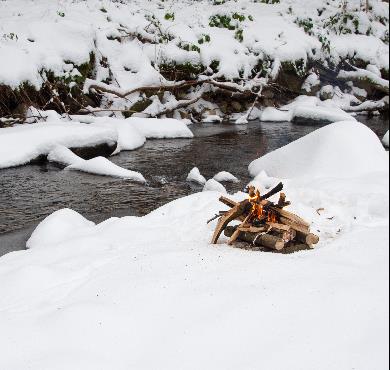
- Apply cold (cold compress or snow in cloth)
- Wrap with tensor, without cutting circulation
- Elevate if possible
2. Cuts and Wounds
My golden rule: clean, protect, monitor. Rinse thoroughly with clean water (yes, even spring water can contain bacteria), apply sterile gauze and secure with medical tape.
3. Mild Hypothermia
More insidious than you think, especially in Quebec springs. Signs: uncontrollable shivering, confusion, loss of coordination. Immediate action: extra layers, wind shelter, warm sugary drink.
4. Dehydration
I learned this the hard way at Parc des Hautes-Gorges: headaches, nausea, dark urine. The solution is simple but critical: drink in small, frequent sips, not all at once.
5. Allergic Reactions
Insect stings, plant contact. Oral antihistamine and monitor progression. If breathing becomes difficult: absolute emergency, immediate descent.
📱 When and How to Call for Rescue in Nature
It took me years to understand: there's no shame in calling for rescue. Better a false alarm than an avoidable tragedy.
"In the mountains, pride kills more than recklessness." – A guide I met in Charlevoix
When to Call Without Hesitation
- Open or suspected fracture
- Loss of consciousness, even brief
- Breathing difficulties
- Uncontrollable bleeding
- Signs of severe hypothermia (shivering stops, drowsiness)
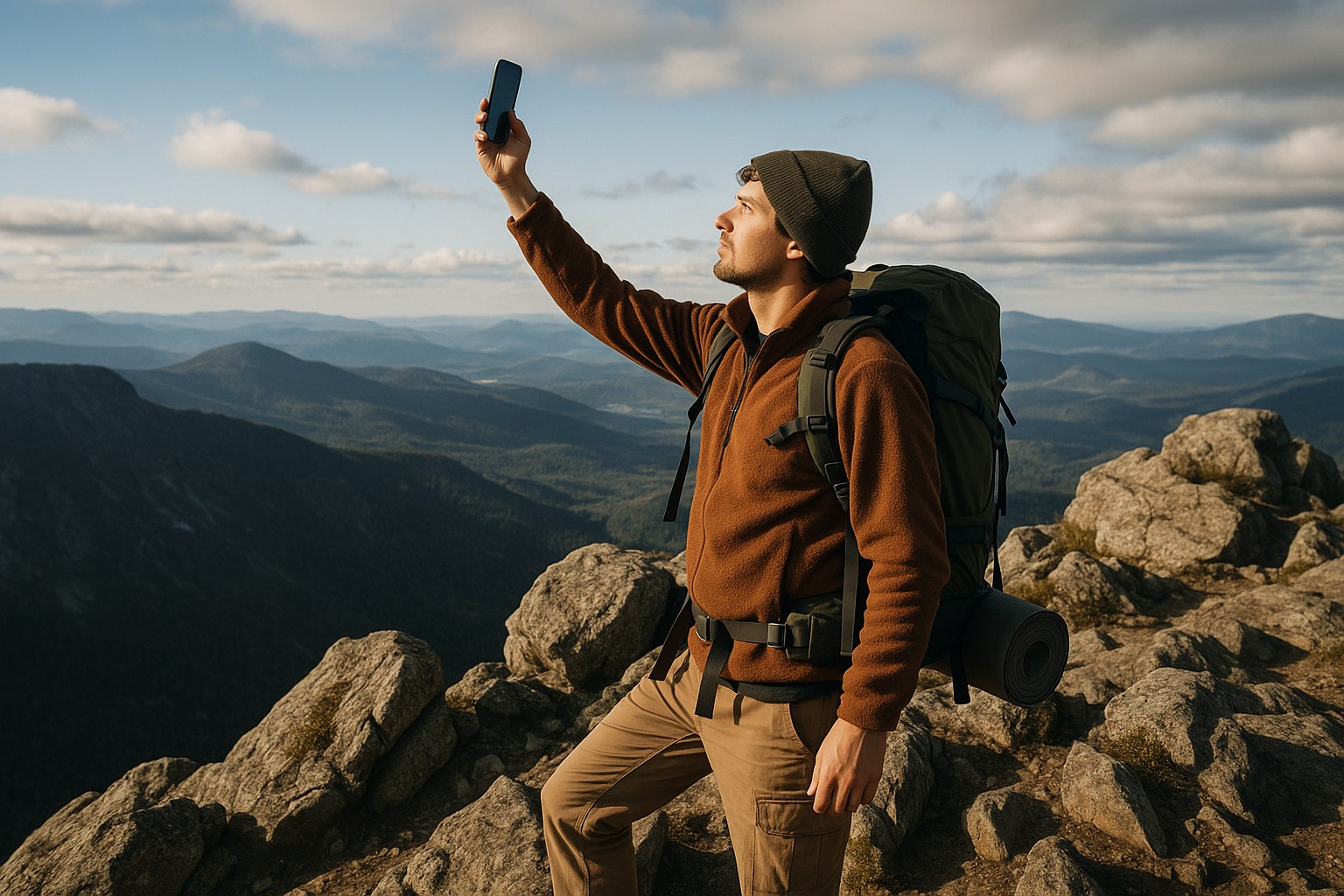
To improve your chances of getting signal:
- Go higher, avoid valleys
- Try different positions and orientations
- Remove your phone case (it can block signal)
- Turn on airplane mode then disable it to force a new search
Crucial Information to Give Rescuers
Stay calm and give this info in order:
- Your exact position (GPS coordinates if possible, trail name, landmark)
- Nature of emergency (injury, illness, missing person)
- Victim's condition (conscious, breathing, bleeding...)
- Number of people in your group
- Weather conditions and victim's ability to walk
🏔️ Prevention: Actions That Prevent 90% of Emergencies
Honestly, the best emergency is one that never happens. After all these years, I can tell you that most accidents are preventable with good habits.
Before Leaving
My non-negotiable routine: check weather, inform someone of my itinerary and expected return time, test my equipment. Simple, but it saves lives.
To properly prepare your outings, ask yourself the right questions from the planning stage.
During the Hike
My golden rules tested on hundreds of outings:
- Hydrate before you're thirsty – 150-200ml every 20-30 minutes
- Eat regularly – small snacks rather than one big meal
- Adapt your pace – you should be able to hold a normal conversation
- Stay on marked trails – even if you know them, conditions change
For beginners, I've compiled the 10 most common mistakes to absolutely avoid.
Preventive Equipment
| Season | Essential | Why |
|---|---|---|
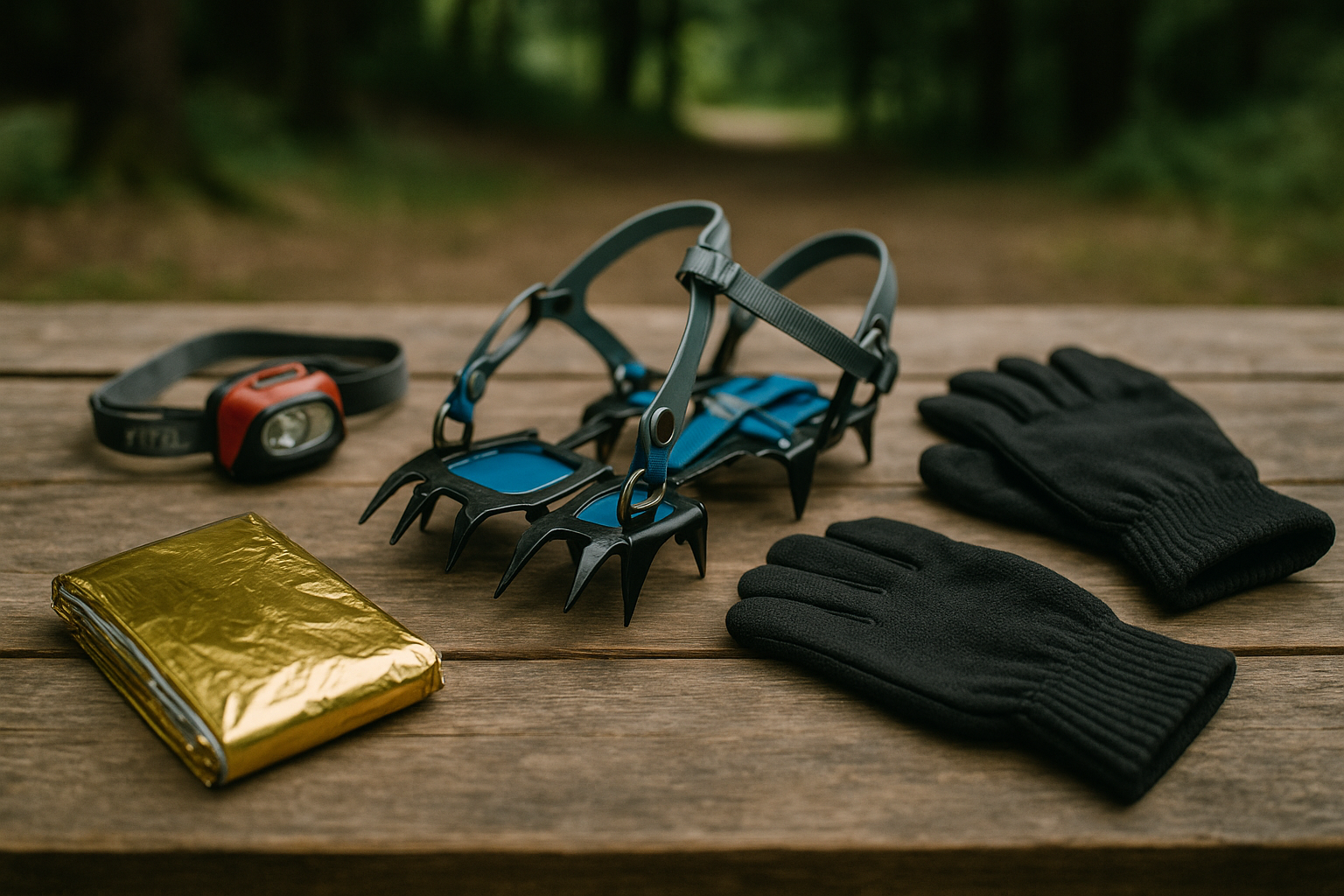
| Spring | Light crampons, multiple layers | Hidden ice patches, variable temperature |
| Summer | Hat, sunglasses, sunscreen | Heat stroke, UV burns |
| Fall | Headlamp, waterproof clothing | Short days, sudden rains |
| Winter | Snowshoes, survival blanket | Getting stuck, rapid hypothermia |
🎯 Training and Practice: Becoming Emergency Self-Sufficient
You can have the world's best kit, but if you don't know how to use it under stress, it's worthless. I learned this during a wilderness first aid course – theory and practice are two different worlds.
Recommended Training in Quebec
- General first aid – Red Cross or St. John Ambulance (mandatory foundation)
- Wilderness first aid – specialized 16-40 hour courses
- CPR Level C – cardiopulmonary resuscitation with defibrillator
My advice: start with a general course, then specialize according to your activities. A weekend of training can give you reflexes that last years.
Regular Practice
Once per season, I review basic techniques with my partner. We simulate scenarios: sprain on Mont Yamaska, cut at Canyon Sainte-Anne. It might seem excessive, but when adrenaline kicks in, you're glad to have these automatic responses.
Useful Resources
- Mobile apps with offline guides
- Laminated reference cards in your kit
- YouTube videos to review techniques
- Specialized Facebook groups to ask questions
🌟 Conclusion: Safety is the Freedom to Explore
After all these years on the trail, here's what I've learned:
- A well-thought kit is better than a complete but heavy kit
- Prevention prevents 90% of emergencies – hydration, pace, appropriate equipment
- Knowing how to call rescue isn't failure, it's responsibility
- Regular training transforms stress into useful reflexes
- Leaving informed and returning safely, that's the real success of an outing
Trail safety isn't paranoia – it's what gives you confidence to go further, discover new horizons. When you master first aid basics, you can focus on the essential: enjoying every step, every view, every moment of connection with Quebec nature.
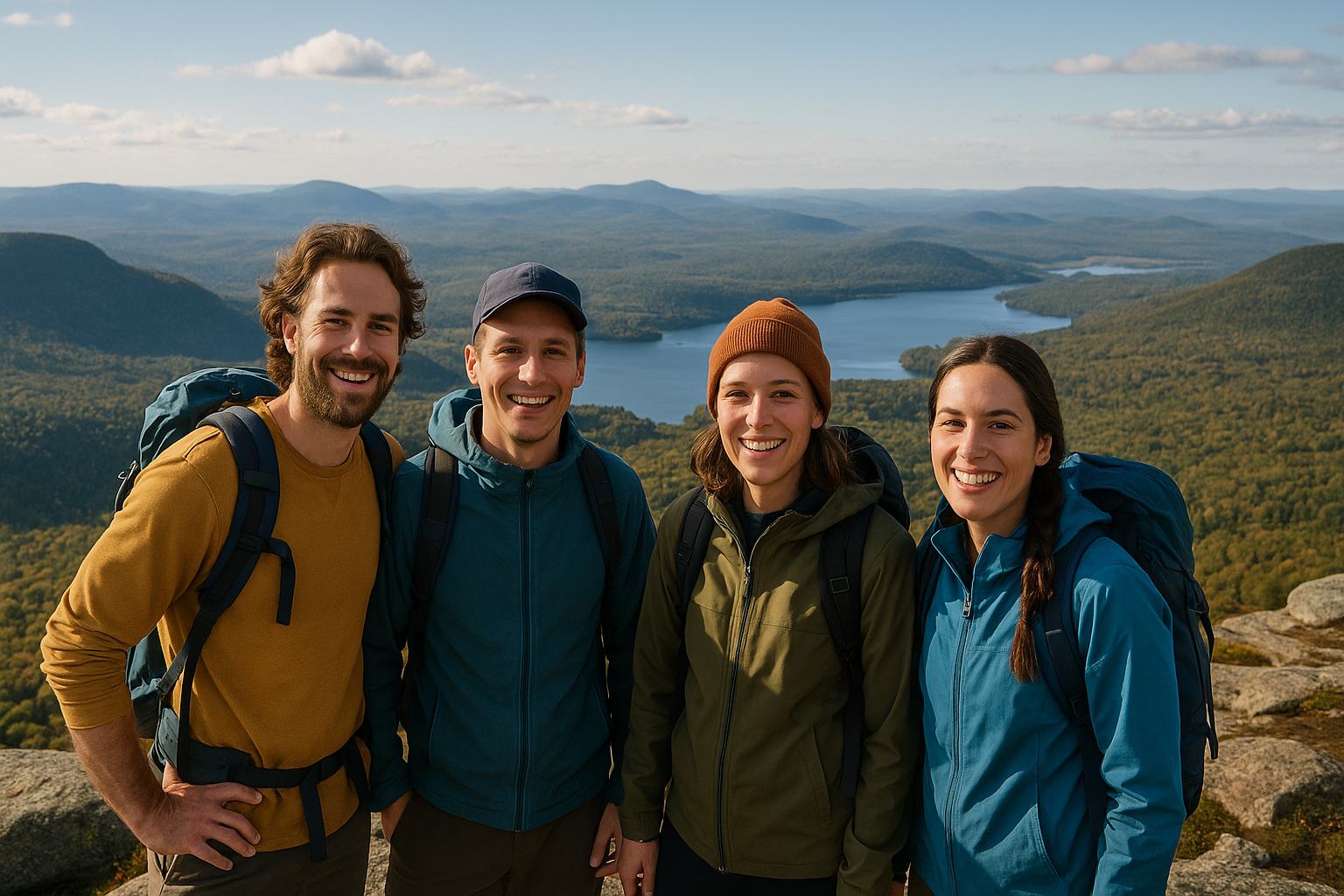
So, ready to leave with peace of mind? Start by reviewing your kit, sign up for a first aid course, and go explore our magnificent trails around Montreal. The mountains are waiting, and now you're equipped to enjoy them safely!

About the author
François Dumaine
Founder of Let's Go Play Outside
A passionate hiker, photographer and content creator, François has been hiking the trails of Quebec and Alberta since 2014. He founded Let's Go Play Outside to give you the information he wished he had before heading out.
Newsletter
Content that makes you want to go outside
Every week, a trail idea, a reflection on nature, or a tip worth the detour. Zero spam. Only the essentials.
Joined by 12,000+ outdoor enthusiasts
Read next