
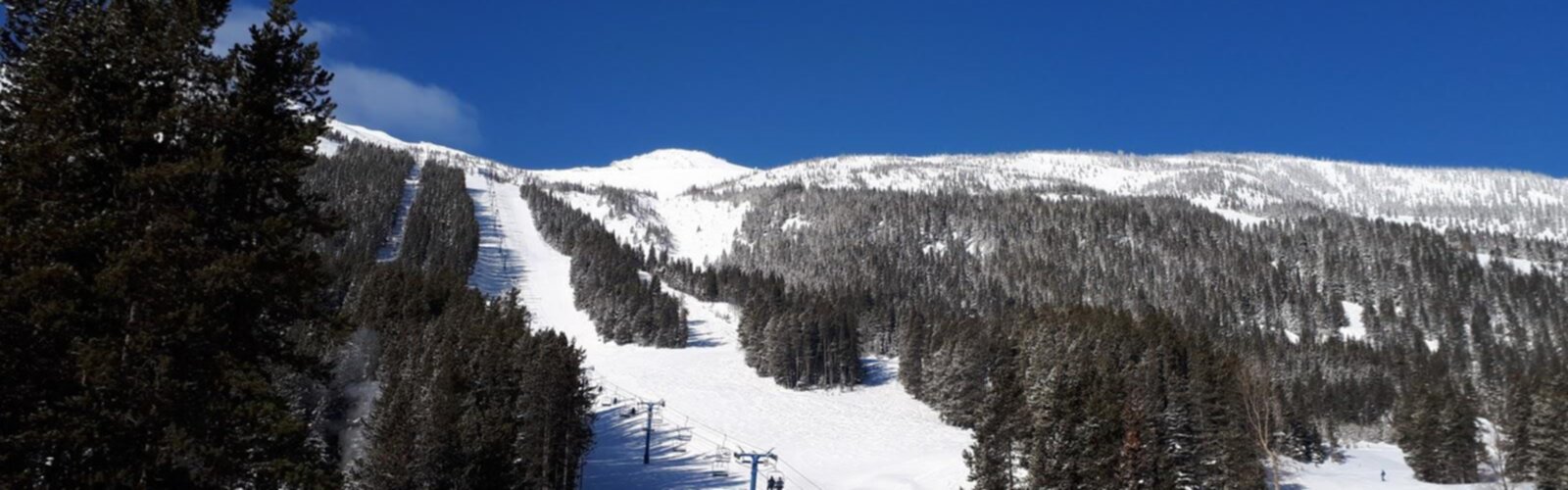

Ready to explore Castle Mountain Resort? Here's everything you need to know before you go!
Discover the trail
Trail description
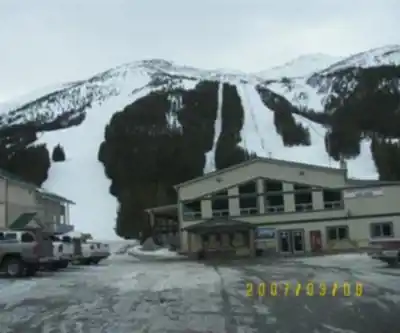
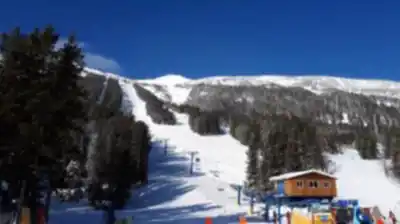
Castle Mountain Resort sits in the Westcastle Valley of southwest Alberta, carved into the slopes of Mount Haig and Gravenstafel Ridge. It's one of those places that earns its reputation the hard way — through terrain, snow, and a mountain environment that feels genuinely wild even within a developed resort setting. If you're coming from Calgary, you're looking at roughly 270 kilometres. From Lethbridge, it's about 140 kilometres, and from Pincher Creek, just 50 kilometres west. The drive through the foothills into the Southern Rockies is worth the trip on its own.
Terrain and Trail System
Castle Mountain Resort operates across a vertical drop of 863 metres, serviced by six lift systems with vertical rises ranging from 50 to 445 metres. That's a lot of sustained descent, and it's exactly what defines the experience here. The trail breakdown reflects the mountain's character: 15% beginner, 40% intermediate, 35% advanced, and 10% expert. The numbers tell you something important — this mountain leans toward skiers and riders who want a real challenge.
The expert terrain includes access to eight alpine bowls, and these are the runs people talk about when they talk about Castle Mountain. They hold snow well, they feel remote, and they deliver the kind of untracked powder days after a storm that most resort skiers have to travel to British Columbia to find. The advanced runs are notably long and sustained — not short pitches that flatten out, but genuine fall lines that let you build speed and rhythm over real vertical.
Beginners have dedicated terrain to work with, and the intermediate trails cover enough of the mountain that mid-level skiers can explore different aspects without feeling boxed in. The lift layout moves people efficiently between terrain zones, which matters for mixed-ability groups who want to ski together without spending half the day traversing.
Snow and Mountain Conditions
Castle Mountain benefits from the Westcastle Valley's position in the Rockies, which creates consistent snowfall accumulation. The varied aspects of the terrain — including the sheltered bowls — hold snow well after storms. Northern exposures on many runs help preserve conditions throughout the season.
The alpine bowls are particularly good at holding untracked snow for days after a significant snowfall, giving skiers that backcountry feel without leaving the resort boundary. Wind and weather patterns shift constantly here, which keeps conditions dynamic and means there's almost always a pocket of the mountain skiing well on any given day.
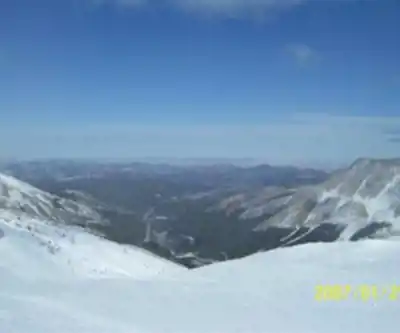
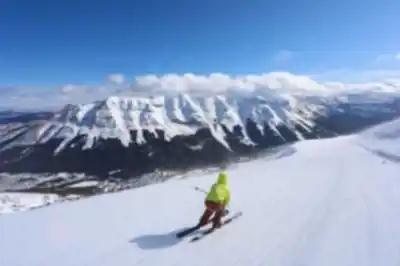
The views from the upper mountain stretch across the Southern Rockies toward the Waterton Lakes region, and the terrain transitions dramatically from sheltered, tree-lined runs to wide-open alpine faces. It's a mountain that looks and feels bigger than many resorts with comparable numbers on paper.
The Skiing and Riding Experience
What separates Castle Mountain from a lot of Alberta ski areas is the quality of its steep terrain. Long, consistent pitches that don't bail out into flat runouts. Natural fall lines that feel intuitive rather than engineered. The kind of skiing where you can actually get into a rhythm on an advanced run rather than constantly resetting. The eight alpine bowls add a layer of variety that keeps expert skiers engaged across multiple visits.
For intermediate skiers, the 40% intermediate designation isn't just filler terrain — there's enough variety in pitch, aspect, and tree density to keep things interesting. The mountain's layout means you're not lapping the same run repeatedly; different lifts open up genuinely different skiing experiences.
Beginners have room to learn without feeling crowded onto a single narrow strip, and the ski school runs instruction for all levels, from first-time skiers to advanced technique work. The rental shop covers current ski and snowboard gear, which matters given the resort's distance from major urban centres — you don't want to realize you forgot something critical when you're 50 kilometres from the nearest town.
Facilities and Services
On-mountain dining covers the range from quick snacks to full meals, with the added benefit of mountain views that make a mid-day break feel worthwhile rather than just functional. Multiple restaurants and bars mean you're not stuck in a single lineup when the lunch rush hits.
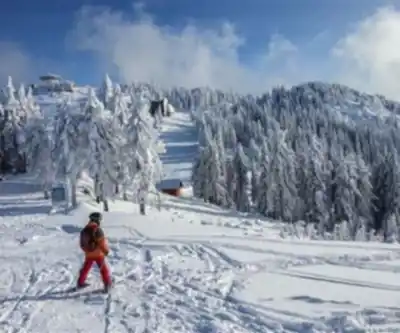
Beyond alpine skiing and snowboarding, the resort and surrounding Westcastle Valley support cross-country skiing, snowshoeing, and tubing. The valley terrain is well-suited for touring, and the reliable snowfall that makes the alpine skiing good also makes the surrounding area excellent for quieter winter exploration. Snowshoeing offers a different pace and perspective on the same mountain environment, and tubing rounds out the options for families or anyone looking for a break from the downhill runs.
History and Context
Castle Mountain Resort opened in 1965, part of the broader expansion of Canadian ski culture through that era. The resort gained wider recognition when it hosted events during the 1975 Canada Winter Games, which put its terrain in front of a competitive audience and helped establish its reputation as a serious ski destination. That reputation has held — Castle Mountain consistently ranks among Canada's top ski resorts, a distinction built on terrain quality and snow reliability rather than resort amenities alone.
The resort's position in the Southern Rockies, away from the more heavily trafficked corridors around Banff and Jasper, gives it a character that regulars value. It's not a hidden secret, but it doesn't feel like a destination that's been polished smooth by mass tourism either. The mountain still skis like a mountain.
The Essential Hiking Checklist
Everything you need for your next hike. Bilingual, printable, 1 page.
Get your free hiking checklistRecommended gear for this trail
As an Amazon Associate I earn from qualifying purchases.


Ready to go?
Everything you need to know before you goStarting Point
The castle mountain resort is located in Alberta, Canada. To get to the start of the trails, take Highway 1 west to Pincher Creek. Turn south on Highway 6 and continue for about 15 kilometers until you reach the resort.
When?
Tuesday: 8:30 AM – 4:30 PM
Wednesday: 8:30 AM – 4:30 PM
Thursday: 8:30 AM – 4:30 PM
Friday: 8:30 AM – 4:30 PM
Saturday: 8:00 AM – 5:00 PM
Sunday: 8:00 AM – 5:00 PM
How much?
As an Amazon Associate I earn from qualifying purchases.
Affiliate links — LGPO may earn a commission at no extra cost to you.
- Hiking shoes Essential
- → Salomon Elixir Tour Mid WP · 203.38 $
- Layered clothing Essential
- Rain jacket Essential
- Trekking poles
- → Black Diamond Trail Ergo Cork · 69.99 $
- Headlamp
- → Petzl Actik Core 625 · 103.95 $
FAQ - Frequently asked questions
Everything you need to knowSimilar hikes nearby
Discover other trails you might enjoy
Mount Alderson
Southern Rockies
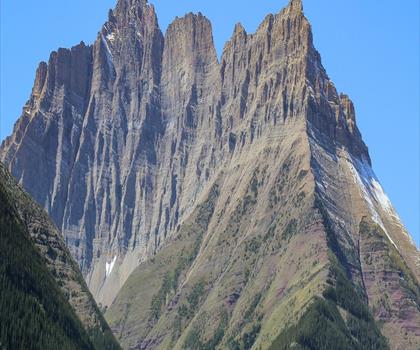
Sofa Mountain
Southern Rockies
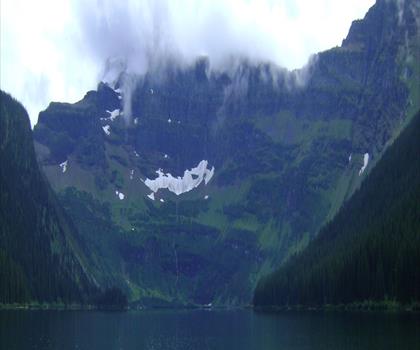
Cameron Lake
Southern Rockies
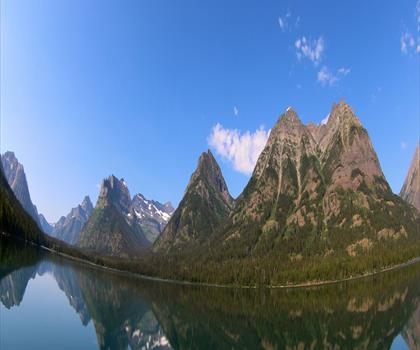
Crypt Lake Trail
Southern Rockies
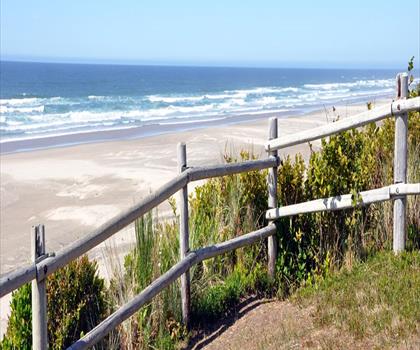
Driftwood Beach
Southern Rockies
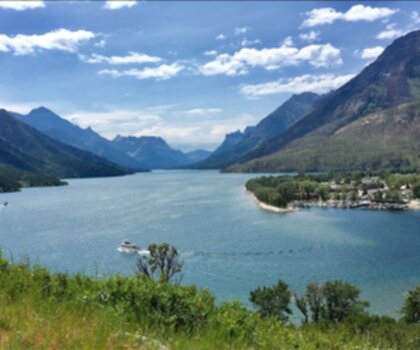
Waterton Lakes National Park of Canada
Southern Rockies
Hiking near Calgary
120 trails to explore ~193 km away
We work hard to provide the most up-to-date and error-free data possible. If something seems incorrect, let us know! Your contribution helps the whole community.
Hikers' opinions
Be the first to review!
No hiker has shared their experience yet. Share your impressions and help other hikers!