
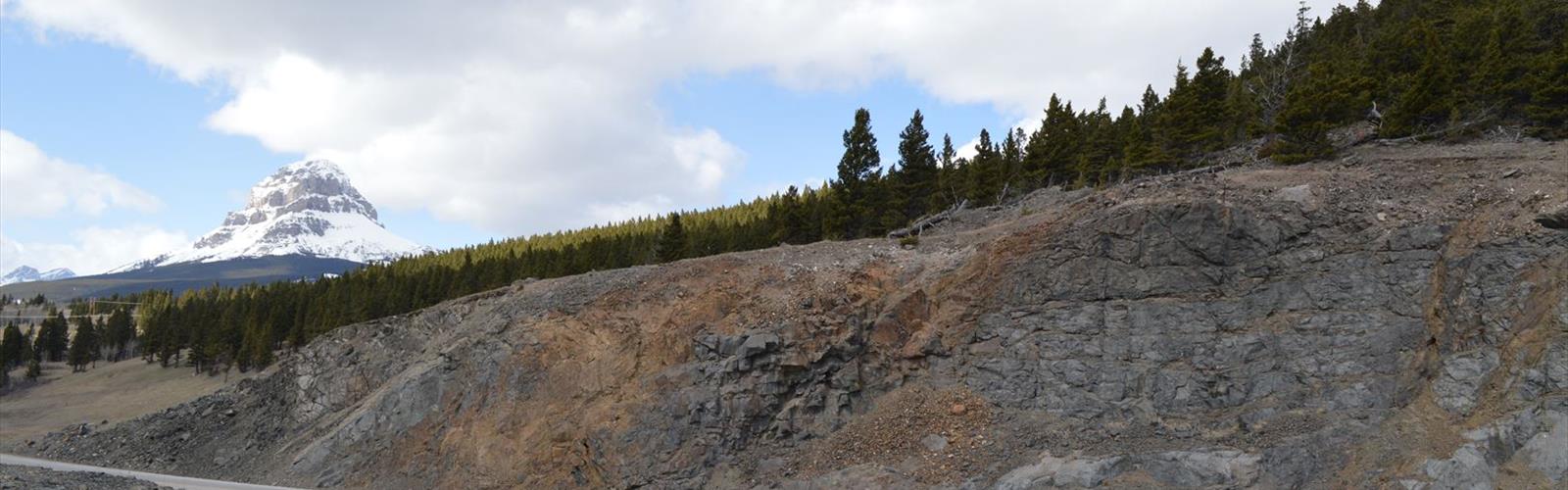

Ready to explore Crowsnest Mountain? Here's everything you need to know before you go!
Discover the trail
Trail description
Crowsnest Mountain rises to 2,785 meters (9,137 feet) above the southern Alberta landscape, forming one of the most recognizable silhouettes in the Canadian Rockies. Its distinctive profile dominates the skyline near the town of Coleman, and for hikers willing to put in the effort, it delivers one of the most rewarding summit experiences in the Crowsnest Pass region. At 14 kilometers round trip with 1,400 meters of elevation gain, this is a serious day hike — plan for around 6.5 hours on the trail.
What sets Crowsnest Mountain apart from other peaks in the southern Rockies isn't just the views from the top — it's the variety of terrain you move through to get there. Forest, open ridgeline, scree fields, and exposed rocky scrambling all show up before you reach the summit. That range of conditions is part of what makes this hike feel like a genuine mountain adventure rather than a straightforward trail walk.
Getting There
The trailhead is located near Coleman, Alberta, making it easy to reach whether you're based in the Crowsnest Pass or driving through on Highway 3. The access is convenient for a day trip, and the proximity to town means you're not dealing with a long approach before the real climbing even begins.
The Climb
The trail starts in montane forest, where spruce and fir provide shade during the lower section of the ascent. It's a good warm-up — the grade is manageable and the forest cover keeps things cool. As you gain elevation, the trees thin out and the terrain opens up, giving you your first real look at the surrounding peaks and the valley below.
The character of the hike shifts noticeably once you're above the treeline. The trail becomes steeper and the footing less predictable. Rocky ridgelines replace the forest floor, and you'll start to feel the exposure that defines the upper mountain. This is where the hike earns its hard rating — not because of any single technical crux, but because of the sustained effort required and the attention to foot placement that the terrain demands.
The scree fields near the upper reaches are the most demanding section. Loose rock that shifts underfoot slows your pace and requires a deliberate approach — short steps, steady rhythm, and patience. Rushing through scree is how ankles get rolled and energy gets wasted. Take your time here, and the summit will come.
The Summit
The views from the top of Crowsnest Mountain stretch across the Crowsnest Pass in every direction. On a clear day, you can see deep into both Alberta and British Columbia — a sweeping panorama of ridgelines, valleys, and forested slopes that gives you a real sense of how much mountain country surrounds this corner of the Rockies. The summit feels earned in a way that easier peaks don't, and that makes the time spent up there more satisfying.
Wildlife Along the Way
Mountain goats are occasionally spotted on the rocky upper slopes — watching them move across terrain that gives hikers trouble is a good reminder of how well-adapted they are to this environment. Marmots are a more reliable presence in the alpine zone, and their sharp whistles tend to announce your arrival before you even see them. Wildflowers appear in the lower and mid-elevation sections during summer, with the variety and timing of blooms shifting as you gain altitude.
What to Bring
Sturdy hiking boots with solid ankle support are essential — the scree and rocky terrain will expose any weakness in your footwear quickly. Trekking poles are worth bringing, especially for the descent, when loose rock becomes more treacherous on tired legs. Carry more water than you think you'll need; the sustained elevation gain and exposed upper sections can dehydrate you faster than expected.
Layers are non-negotiable. The temperature difference between the trailhead and the summit can be significant, and wind on the exposed upper ridges adds to the chill even on warm days. A rain shell takes up minimal space and can make a real difference if weather moves in.
Best Time to Go
The reliable hiking window runs from late June through September. Snow can linger on the upper sections into early summer, and the scree becomes significantly more hazardous when icy. Early starts are always a good idea in the mountains — afternoon thunderstorms are common in summer, and being above treeline when one rolls in is a situation worth avoiding. Check current conditions before heading out, and let someone know your plan and expected return time.
The Essential Hiking Checklist
Everything you need for your next hike. Bilingual, printable, 1 page.
Get your free hiking checklistRecommended gear for this trail
As an Amazon Associate I earn from qualifying purchases.


Ready to go?
Everything you need to know before you goStarting Point
The start of the trails at the crowsnest mountain can be accessed by travelling east on Highway 3 from the town of Blairmore. The highway will eventually lead to the mountain and the start of the trails.
When?
How much?
As an Amazon Associate I earn from qualifying purchases.
Affiliate links — LGPO may earn a commission at no extra cost to you.
- Hiking shoes Essential
- → Salomon Elixir Tour Mid WP · 203.38 $
- Layered clothing Essential
- Rain jacket Essential
- Trekking poles
- → Black Diamond Trail Ergo Cork · 69.99 $
- Headlamp
- → Petzl Actik Core 625 · 103.95 $
FAQ - Frequently asked questions
Everything you need to knowSimilar hikes nearby
Discover other trails you might enjoy
Mount Alderson
Southern Rockies
Sofa Mountain
Southern Rockies
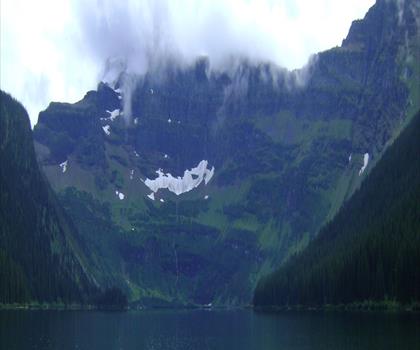
Cameron Lake
Southern Rockies
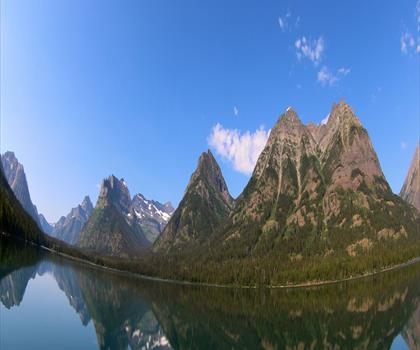
Crypt Lake Trail
Southern Rockies
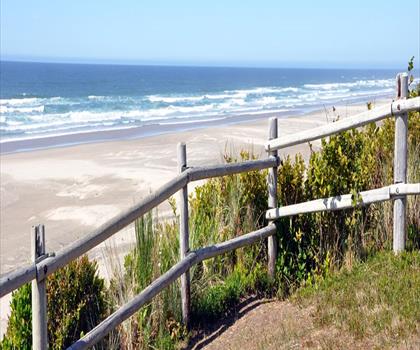
Driftwood Beach
Southern Rockies
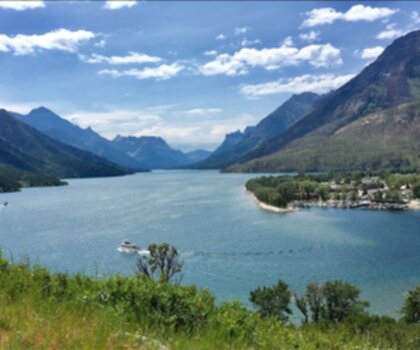
Waterton Lakes National Park of Canada
Southern Rockies
Hiking near Calgary
120 trails to explore ~153 km away
We work hard to provide the most up-to-date and error-free data possible. If something seems incorrect, let us know! Your contribution helps the whole community.
Hikers' opinions
Be the first to review!
No hiker has shared their experience yet. Share your impressions and help other hikers!