Ready to explore Waterton Lakes National Park of Canada? Here's everything you need to know before you go!
Discover the trail
Trail description
Description
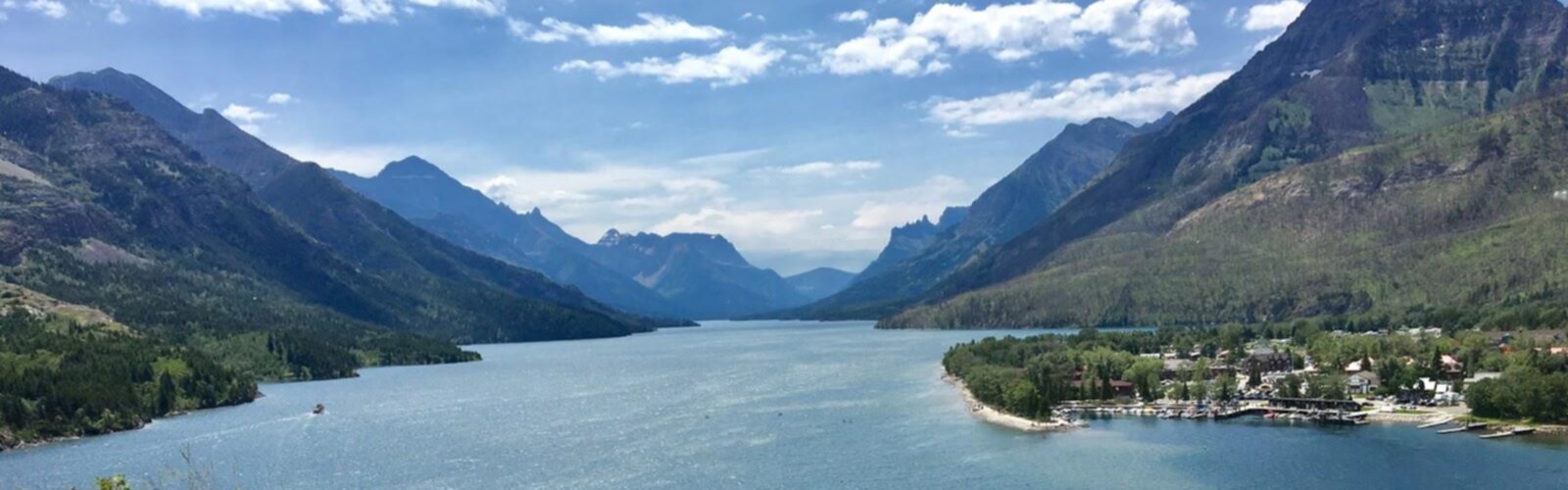
Waterton Lakes National Park sits at the southwestern tip of Alberta, where the Canadian Rockies meet the Great Plains in dramatic fashion. This compact park packs an incredible diversity of landscapes into just 505 square kilometers, making it one of the most scenically concentrated destinations in the Canadian Rockies. The park forms half of the Waterton-Glacier International Peace Park, a UNESCO World Heritage Site that spans the Canada-US border.
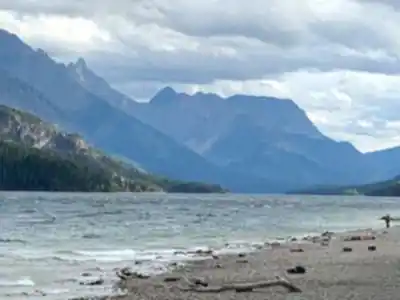
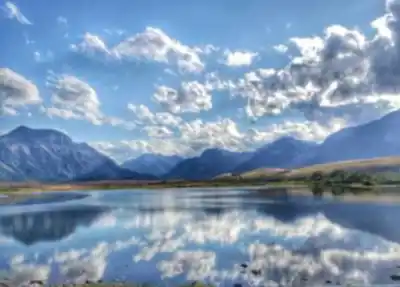
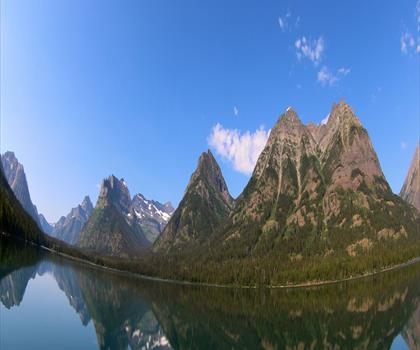
What sets Waterton apart from other Rocky Mountain parks is how quickly the landscape transitions from prairie grasslands to towering peaks. The mountains here rise abruptly from the plains without the usual foothills, creating some of the most striking mountain-to-lake contrasts you'll find anywhere. The park's three main lakes—Upper and Middle Waterton Lakes and Cameron Lake—sit in deep glacial valleys carved during the last ice age, their waters reflecting peaks that soar over 1,500 meters above the lake surfaces.
Trail Network and Hiking Experience
Waterton's trail system spans over 200 kilometers, offering everything from wheelchair-accessible lakeside paths to demanding backcountry routes that challenge experienced hikers. The trail network is remarkably well-maintained, with clear signage and regular maintenance that keeps routes in excellent condition throughout the hiking season. What makes hiking here unique is the rapid elevation changes and ecosystem transitions—you can start in prairie grassland and find yourself in alpine terrain within a single hike.
The crown jewel of Waterton's hiking is the Crypt Lake Trail, consistently ranked as one of Canada's best day hikes. This challenging route involves a boat ride across Upper Waterton Lake, a steep climb through diverse ecosystems, a crawl through a natural tunnel, and a traverse along a narrow ledge with a steel cable for support. The payoff is Crypt Lake itself, a pristine alpine lake surrounded by towering cliffs and waterfalls. The adventure element of this trail—combining boat transport, tunnel crawling, and exposed scrambling—creates an experience unlike any other Canadian hike.
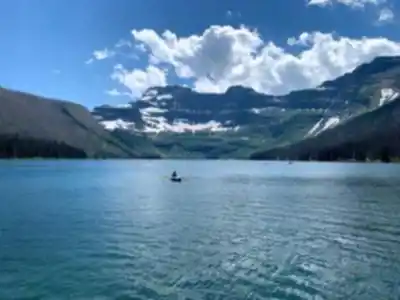
For those seeking gentler options, the Cameron Lake area provides several accessible trails. The lakeshore path offers easy walking with mountain reflections in the water, while the nearby Akamina Pass trail provides a moderate climb through subalpine forest to views of the Continental Divide. The Bertha Lake trail is another popular moderate option, leading through montane forest to a beautiful alpine lake with excellent swimming opportunities on warm days.
More challenging routes include the Carthew-Alderson Trail, a spectacular point-to-point hike that traverses high alpine terrain with panoramic views of multiple mountain ranges. The Lineham Ridge trail offers some of the park's best wildflower displays in July and August, while the Vimy Peak trail provides 360-degree summit views that extend well into Montana and British Columbia.
Terrain and Geological Features
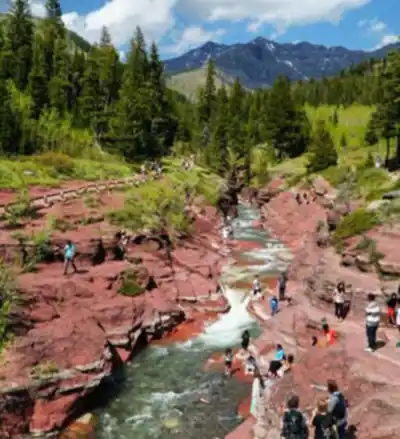
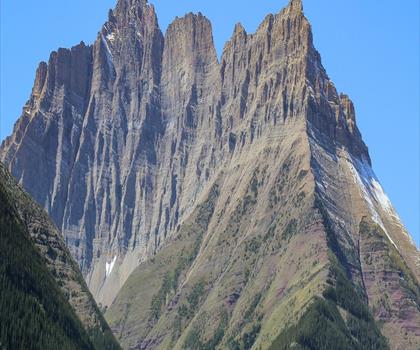
The park's geology tells a fascinating story of ancient seas, mountain building, and glacial carving. The colorful rock formations visible throughout Waterton are part of the Belt Supergroup, sedimentary rocks laid down over a billion years ago. Red Rock Canyon showcases brilliant red argillite carved into a narrow gorge, while the towering peaks display layers of limestone, sandstone, and shale that create distinctive banded patterns on cliff faces.
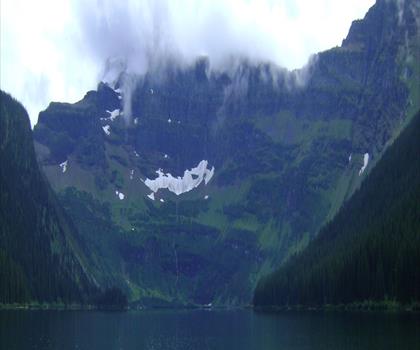
Glacial activity shaped much of what hikers see today. The deep valleys holding the park's lakes were carved by massive glaciers, while hanging valleys, cirques, and moraines provide evidence of past ice ages. This glacial sculpting created the dramatic relief that makes Waterton's scenery so striking—steep-walled valleys dropping directly to lake level, with waterfalls cascading from hanging valleys high above.
Wildlife and Ecosystems
Waterton's location at the intersection of mountain, prairie, and boreal forest ecosystems creates exceptional wildlife diversity. The park supports healthy populations of both black bears and grizzly bears, with bears often visible in the townsite area during berry season. Mountain goats inhabit the high peaks and are frequently spotted on the cliffs around Cameron Lake and along the Crypt Lake trail.
Bighorn sheep are common throughout the park, particularly along the Red Rock Parkway and around the townsite. White-tailed deer and mule deer browse in the valleys, while elk herds move through the area seasonally. The park's smaller mammals include mountain lions, lynx, and wolverines, though these are rarely seen by visitors.
Birdwatchers will find over 250 species recorded in the park, including golden eagles, peregrine falcons, and ptarmigan in the alpine zones. The lakes support various waterfowl, while the diverse forest habitats host everything from tiny hummingbirds to large woodpeckers. The park sits along a major migratory flyway, making spring and fall particularly rewarding for birding.
Beyond the Trails
Upper Waterton Lake offers excellent paddling opportunities, with canoe and kayak rentals available in the townsite. The lake extends into Montana's Glacier National Park, and paddlers can explore the international boundary waters with proper documentation. The historic MV International provides scenic boat tours that showcase the lake's dramatic mountain backdrop while offering commentary on the area's natural and cultural history.
The Red Rock Parkway provides a scenic driving route through the park's diverse ecosystems, ending at Red Rock Canyon where visitors can walk through a narrow gorge carved from colorful argillite rock. The Akamina Parkway leads to Cameron Lake, passing through prime wildlife habitat and offering several trailhead access points.
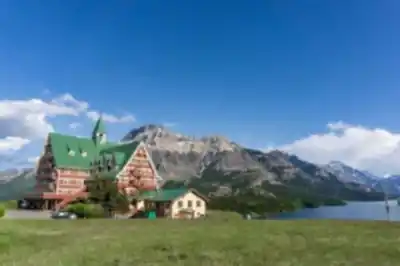
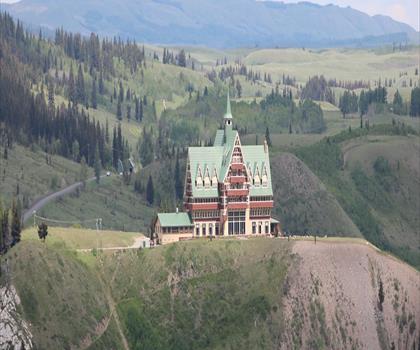
Waterton townsite itself is worth exploring, with its collection of historic buildings, restaurants, and shops nestled along the lakeshore. The Prince of Wales Hotel, a grand railway hotel from the 1920s, dominates the skyline and offers afternoon tea with spectacular lake and mountain views. The townsite's compact size makes it easy to explore on foot, and its location provides stunning sunrise and sunset photography opportunities.
Weather and Seasonal Considerations
Waterton's hiking season typically runs from late May through early October, though higher elevation trails may have snow well into July. The park is known for its windy conditions—Waterton experiences some of the strongest winds in Canada, with gusts regularly exceeding 100 kilometers per hour. These chinook winds can occur year-round but are most common in fall and winter, and hikers should be prepared for sudden weather changes.
Summer brings warm days perfect for hiking and swimming, though afternoon thunderstorms are common. July and August offer the best wildflower displays, with alpine meadows bursting with color. Fall provides excellent hiking conditions with fewer crowds, brilliant aspen colors, and crisp, clear air that enhances mountain visibility.
The park's compact size and well-developed infrastructure make it an ideal base for exploring the broader Crown of the Continent ecosystem, while its diverse trail network ensures that hikers of all abilities can experience the unique beauty of this remarkable landscape where mountains meet prairie in one of nature's most dramatic transitions.
Ready to go?
Everything you need to know before you goStarting Point
The easiest way to get to the start of the trails at the waterton lakes national park of canada is to drive there.
When?
How much?
- Hiking shoes Essential
- Layered clothing Essential
- Rain jacket Essential
- Trekking poles
- Headlamp
FAQ - Frequently asked questions
Everything you need to knowThe Essential Hiking Checklist
Everything you need for your next hike. Bilingual, printable, 1 page.
Download the free checklistSimilar hikes nearby
Discover other trails you might enjoy
Crypt Lake Trail
Southern Rockies
Lundbreck Falls
Southern Rockies
Castle Mountain Resort
Southern Rockies
Blakiston Falls
Southern Rockies
Lower Bertha Falls
Southern Rockies
Crowsnest Mountain
Southern Rockies
Hiking near Calgary
120 trails to explore ~218 km away
We work hard to provide the most up-to-date and error-free data possible. If something seems incorrect, let us know! Your contribution helps the whole community.
Hikers' opinions