
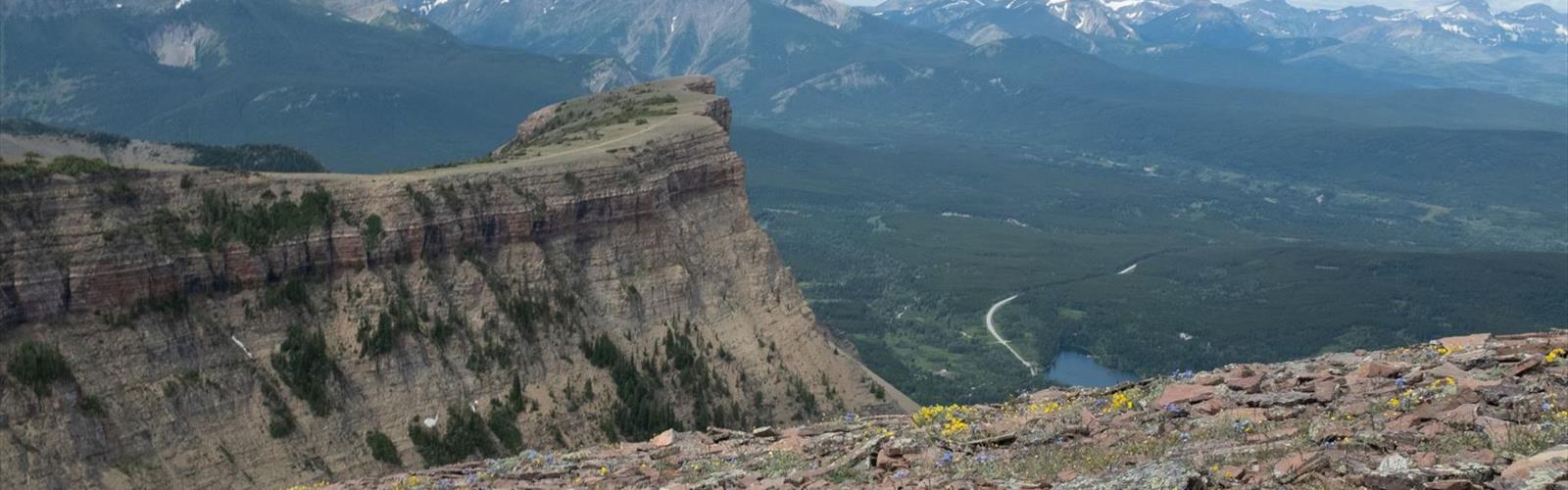

Ready to explore Castle Provincial Park? Here's everything you need to know before you go!
Discover the trail
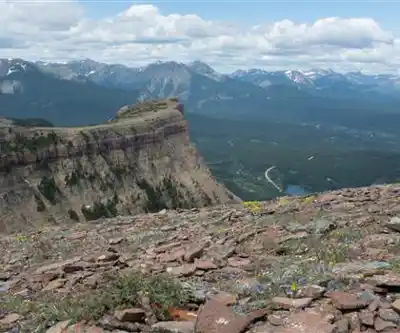
Trail description
Castle Provincial Park sits in the southwestern corner of Alberta, tucked into the Southern Rockies near the British Columbia border. It's one of Alberta's newer provincial parks, and it still has that raw, less-crowded feel that's getting harder to find in the Rockies. The trail covered here clocks in at 6.1 km with 149 m of elevation gain, rates as Easy, and typically takes between 1.5 and 2 hours to complete — making it a solid choice for families, casual hikers, or anyone looking for a rewarding outing without committing to a full-day push.
What the Trail Is Like
With only 149 m of elevation gain spread over 6.1 km, this is a genuinely mellow route. The grade stays manageable throughout, and there are no technical sections that would give a beginner pause. That said, "easy" in the Rockies still means you're walking on natural terrain — expect some rooted sections, the occasional muddy patch after rain, and surfaces that vary between packed dirt, gravel, and forest duff.
The trail moves through the kind of landscape Castle does well: dense montane forest giving way to more open stretches where the surrounding ridgelines come into view. Spruce, fir, and aspen make up most of the tree cover at this elevation, and the forest floor stays lush through the summer months. Streams are a recurring feature in this part of the park, and you'll likely hear running water for a good portion of the route.
The modest elevation gain means you won't be grinding uphill for long stretches, but you do get enough rise to feel like you've earned the views when they open up. The turnaround or loop brings you back through terrain that looks noticeably different in the return direction — a small thing, but it keeps the walk from feeling repetitive.
Wildlife and What to Watch For
Castle Provincial Park has a strong wildlife presence, and even on an easy, lower-elevation trail like this one, encounters are genuinely common. Elk are frequently spotted in open meadows, especially during the early morning and evening hours. Marmots show up in rockier sections and announce themselves with sharp whistles well before you see them. Higher up in the park, golden eagles are a regular sight riding thermals above the ridgelines — you may catch a glimpse even from the valley.
This is bear country. Carry bear spray, know how to use it, and make noise on the trail — especially in areas with dense vegetation or near streams where your sound gets masked. Keep food secured at all times, whether you're day hiking or camping.
Getting the Most Out of the Visit
The 1.5 to 2-hour time estimate is realistic for most hikers moving at a comfortable pace with short stops. If you're bringing kids or planning to linger at viewpoints, budget a bit more time. The distance and terrain make this a good warm-up route if you're planning a bigger day elsewhere in the park, or a standalone outing if you're looking for something accessible and scenic without the commitment of a longer alpine hike.
Footwear matters even on easy trails here. Trail runners or light hiking boots with decent grip will serve you well. In early season or after heavy rain, waterproof footwear is worth it — the lower forest sections can hold moisture longer than exposed terrain higher up.
Practical Notes
- Distance: 6.1 km
- Elevation gain: 149 m
- Difficulty: Easy
- Estimated time: 1h30–2h
- Location: Castle Provincial Park, Southern Rockies, Alberta
- Bear spray: Strongly recommended
- Best season: Late spring through fall, once lower trails are clear of snow
Castle Provincial Park sits far enough off the main Rockies tourist corridor that it sees a fraction of the traffic of better-known parks in the region. If you're after a quality trail experience without the crowded trailheads, this park consistently delivers — and this particular route is one of the more accessible entry points into what the park has to offer.
The Essential Hiking Checklist
Everything you need for your next hike. Bilingual, printable, 1 page.
Get your free hiking checklistRecommended gear for this trail
As an Amazon Associate I earn from qualifying purchases.


Ready to go?
Everything you need to know before you goStarting Point
The castle provincial park is located in Alberta, Canada. To get to the start of the trails, take Highway 9 west from Edmonton to the town of Hinton. In Hinton, take Highway 16 west to the park.
When?
How much?
As an Amazon Associate I earn from qualifying purchases.
Affiliate links — LGPO may earn a commission at no extra cost to you.
- Hiking shoes Essential
- → Salomon Elixir Tour Mid WP · 203.38 $
- Layered clothing Essential
- Rain jacket Essential
- Trekking poles
- → Black Diamond Trail Ergo Cork · 69.99 $
- Headlamp
- → Petzl Actik Core 625 · 103.95 $
FAQ - Frequently asked questions
Everything you need to knowSimilar hikes nearby
Discover other trails you might enjoy
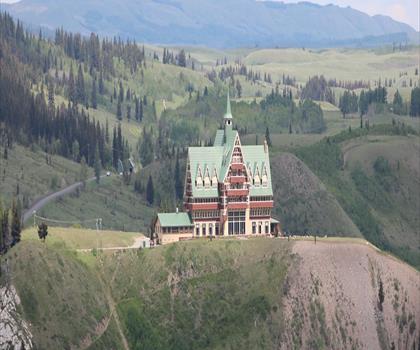
Mount Alderson
Southern Rockies
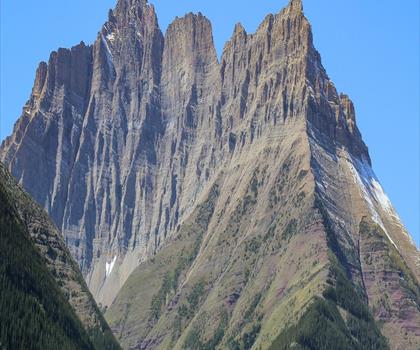
Sofa Mountain
Southern Rockies
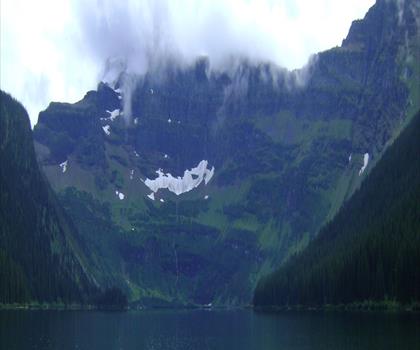
Cameron Lake
Southern Rockies
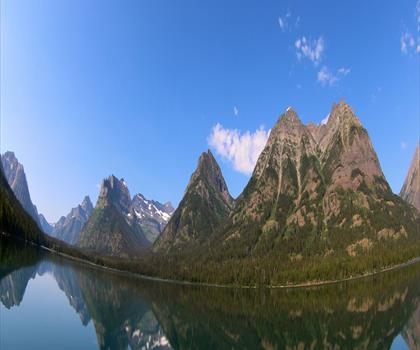
Crypt Lake Trail
Southern Rockies
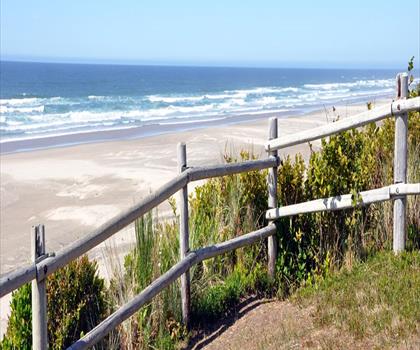
Driftwood Beach
Southern Rockies
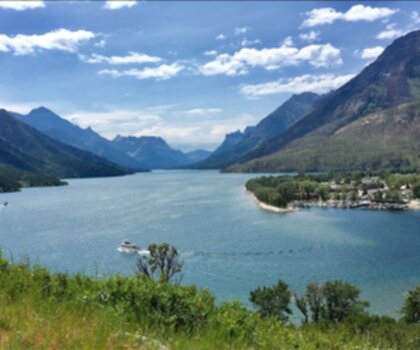
Waterton Lakes National Park of Canada
Southern Rockies
Hiking near Calgary
120 trails to explore ~183 km away
We work hard to provide the most up-to-date and error-free data possible. If something seems incorrect, let us know! Your contribution helps the whole community.
Hikers' opinions
Be the first to review!
No hiker has shared their experience yet. Share your impressions and help other hikers!