

Ready to explore Crowsnest Pass? Here's everything you need to know before you go!
Discover the trail
Trail description
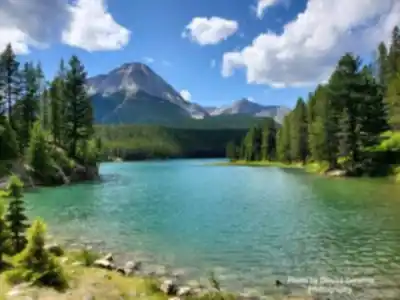
Crowsnest Pass cuts through the Continental Divide in southwestern Alberta, creating a natural corridor between the prairies and the peaks that has drawn travelers for centuries. This mountain pass sits at the intersection of history and wilderness, where coal mining heritage meets some of the most accessible hiking in the Canadian Rockies. The area spans several small communities including Blairmore and Coleman, each serving as gateways to trails that range from family-friendly walks to challenging mountain ascents.
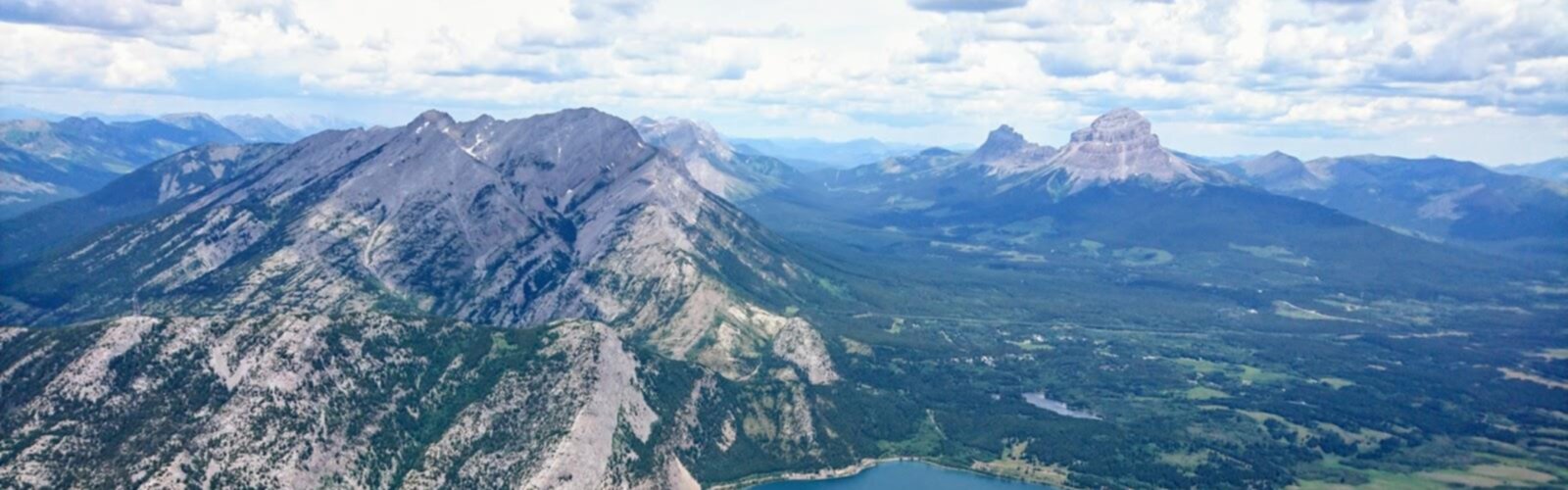
The landscape here tells two stories simultaneously. Above ground, you'll find classic Rocky Mountain terrain—limestone peaks, alpine meadows, and dense forests of spruce and fir. Below ground lies evidence of the coal seams that built these communities in the early 1900s. This dual character makes Crowsnest Pass unique among Rocky Mountain destinations, offering both natural beauty and tangible connections to Alberta's industrial past.
Trail Highlights
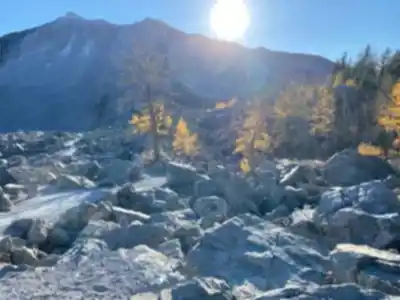
The Turtle Mountain Trail stands out as the area's signature hike, combining geological drama with historical significance. This trail leads you directly through the aftermath of the 1903 Frank Slide, where 82 million tons of limestone crashed down from Turtle Mountain in just 100 seconds. As you walk among the massive boulders scattered across the valley floor, the scale of this natural disaster becomes visceral. The trail continues beyond the slide debris, climbing steadily through mixed forest before opening onto viewpoints that reveal the full scope of the Crowsnest River valley.
From these elevated positions, the panoramic views stretch across multiple mountain ranges. To the west, you'll see the peaks that form the Alberta-British Columbia border, while eastward the mountains gradually give way to foothills and prairie. The contrast is striking—rugged limestone cliffs rising directly from gentle valley bottoms, creating the kind of dramatic topography that defines this section of the Rockies.
For a completely different experience, the Allison-Chinook Trail offers a gentler introduction to the area's natural environment. This path winds through lower elevation terrain where wildflower displays peak in July and August. The trail passes through stands of aspen and poplar that create a golden canopy in fall, while spring brings the fresh green of new growth and the sound of snowmelt streams. The relatively flat terrain and well-maintained path make this an ideal choice for families with children or anyone preferring a more relaxed pace.
The trail system here caters to different fitness levels and time constraints. Some paths can be completed in under an hour, while others offer full-day adventures for those wanting to push deeper into the backcountry. The moderate elevation—most trailheads sit around 1,300 meters—means you can access alpine-like environments without the extreme elevation gains required in other parts of the Rockies.
Historical Context
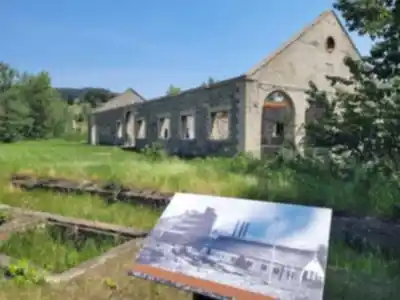
Understanding Crowsnest Pass requires appreciating its role as a transportation corridor and resource extraction center. The pass itself has been used for thousands of years, first by Indigenous peoples and later by European explorers, railway builders, and miners. Coal mining dominated the local economy from the 1890s through the 1950s, and remnants of this era are visible throughout the area.
Several trails pass by or through former mining sites, where you can spot old foundations, equipment, and tailings piles gradually being reclaimed by forest. Local museums in Blairmore and Coleman preserve artifacts and stories from the mining era, providing context that enhances your understanding of the landscape. The Frank Slide, while devastating to the community, created one of Canada's most accessible geological study sites, where you can observe the power of mountain-building forces firsthand.
Terrain and Conditions
The hiking terrain in Crowsnest Pass varies significantly depending on your chosen route. Lower elevation trails typically follow old logging roads or mining access routes, resulting in well-defined paths with moderate grades. These trails often feature packed earth or gravel surfaces that remain stable in most weather conditions.
Higher elevation routes become more challenging, with steeper grades, loose rock sections, and potential exposure to weather changes. The limestone geology creates interesting features—natural arches, caves, and cliff bands—but also means some areas can be slippery when wet. Stream crossings are common on several trails, usually manageable with careful foot placement but worth noting for trip planning.
Weather patterns here reflect the area's position on the Continental Divide. Conditions can change rapidly, especially at higher elevations. Summer temperatures typically range from pleasant hiking weather in the morning to potentially hot conditions by afternoon. Spring and fall offer excellent hiking opportunities but require attention to trail conditions, as snow can linger at higher elevations well into May and return as early as September.
Community and Amenities
The communities of Blairmore and Coleman provide essential services for hikers while maintaining their small-town character. Both towns offer restaurants, gas stations, and basic supplies, though selection is limited compared to larger centers. Local cafes serve as informal information centers where you can get current trail conditions and recommendations from residents who know the area intimately.
These communities take pride in their outdoor recreation opportunities and mining heritage. Local residents often have detailed knowledge of lesser-known trails and seasonal conditions that can enhance your visit. The combination of practical amenities and local expertise makes these towns valuable base camps for exploring the surrounding mountains.
Crowsnest Pass represents an ideal introduction to Rocky Mountain hiking for those seeking dramatic scenery without extreme technical challenges. The blend of natural beauty, historical significance, and community character creates a hiking destination that offers both physical adventure and cultural enrichment, making each visit a multi-layered experience that extends well beyond the trails themselves.
The Essential Hiking Checklist
Everything you need for your next hike. Bilingual, printable, 1 page.
Get your free hiking checklistRecommended gear for this trail
As an Amazon Associate I earn from qualifying purchases.


Ready to go?
Everything you need to know before you goStarting Point
The start of the trails at the crowsnest pass can be accessed by travelling east on Highway 3 from Lethbridge. The trailhead is located just past the Blairmore turnoff.
When?
How much?
As an Amazon Associate I earn from qualifying purchases.
Affiliate links — LGPO may earn a commission at no extra cost to you.
- Hiking shoes Essential
- → Salomon Elixir Tour Mid WP · 203.38 $
- Layered clothing Essential
- Rain jacket Essential
- Trekking poles
- → Black Diamond Trail Ergo Cork · 69.99 $
- Headlamp
- → Petzl Actik Core 625 · 103.95 $
FAQ - Frequently asked questions
Everything you need to knowSimilar hikes nearby
Discover other trails you might enjoy
Mount Alderson
Southern Rockies
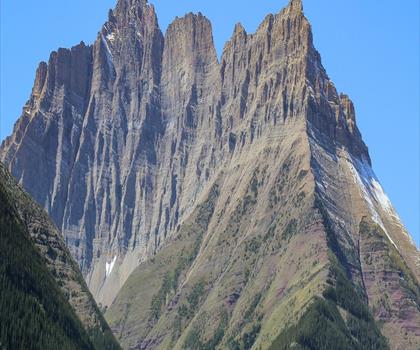
Sofa Mountain
Southern Rockies
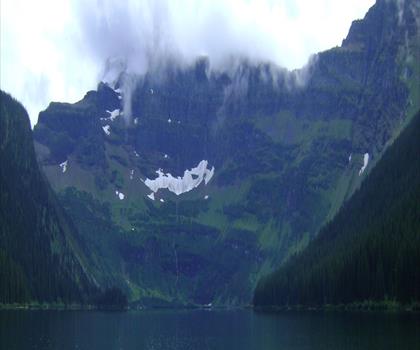
Cameron Lake
Southern Rockies
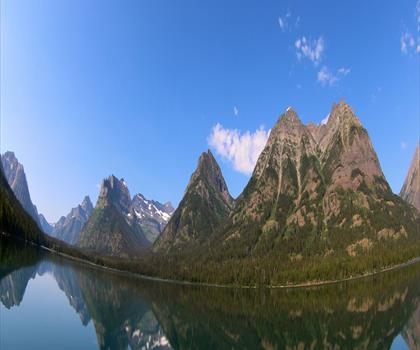
Crypt Lake Trail
Southern Rockies
Driftwood Beach
Southern Rockies
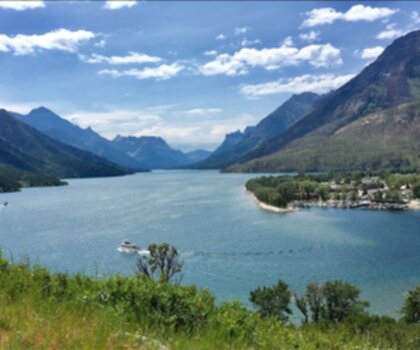
Waterton Lakes National Park of Canada
Southern Rockies
Hiking near Calgary
120 trails to explore ~163 km away
We work hard to provide the most up-to-date and error-free data possible. If something seems incorrect, let us know! Your contribution helps the whole community.
Hikers' opinions
Be the first to review!
No hiker has shared their experience yet. Share your impressions and help other hikers!