
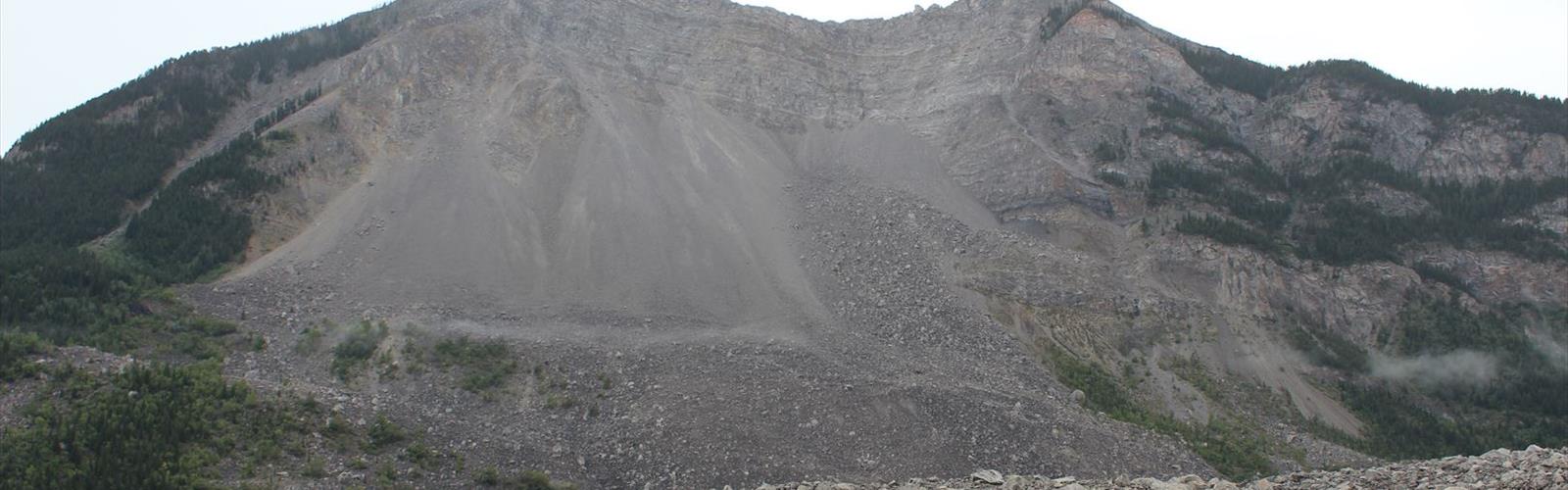

Ready to explore Turtle Mountain? Here's everything you need to know before you go!
Discover the trail
Available trails
| TrailTrails | Dist.Distance | GainElevation | TimeDuration | Difficulty | GPX |
|---|---|---|---|---|---|
|
|
3.69 km | — | 49min | GPX |
GPX track: © OpenStreetMap contributors — ODbL 1.0
Trail description
Turtle Mountain in Alberta stands out as one of the province's most distinctive peaks, offering hikers a challenging ascent with an elevation gain of 884 meters through varied terrain that showcases the best of the Canadian Rockies. Named for the abundant turtle population found in the wetlands and streams near its base, this mountain provides a unique combination of aquatic wildlife viewing and high-altitude hiking that sets it apart from other peaks in the region.
The mountain's lower slopes begin in mixed forest where the trail winds through dense stands of spruce, fir, and aspen. Here, hikers often encounter the namesake turtles in small ponds and slow-moving creeks that dot the landscape. The presence of these reptiles at such northern latitudes makes Turtle Mountain ecologically significant and adds an unexpected element to the hiking experience. As you gain elevation, the forest transitions to more typical alpine species, with the understory becoming increasingly sparse.
Wildlife viewing opportunities extend well beyond the turtle populations. The mountain supports healthy populations of deer, elk, and bears, making it essential for hikers to carry bear spray and know proper food storage techniques. Deer are commonly spotted throughout the lower and middle elevations, particularly during early morning and evening hours. Elk tend to favor the meadows and clearings found on the mountain's flanks, while black bears and the occasional grizzly may be encountered anywhere along the route, especially during berry season in late summer.
The trail itself presents a steady, sustained climb that tests endurance without requiring technical climbing skills. The path is generally well-defined, though some sections can become muddy during spring snowmelt and after heavy rains. Hikers should expect to navigate rocky terrain in the upper reaches, where the trail becomes more exposed and weather conditions can change rapidly. The final approach to higher elevations often involves scrambling over loose scree and navigating around large boulder fields.
Trail Experience and Terrain
The hiking experience on Turtle Mountain unfolds in distinct phases as you ascend through different ecological zones. The initial forest section provides welcome shade and protection from wind, making it an ideal warm-up for the more demanding terrain ahead. Stream crossings are common in this lower section, and while most can be navigated via stepping stones or fallen logs, waterproof boots are recommended during high water periods.
As the trail climbs into subalpine zones, hikers encounter increasingly dramatic views of the surrounding peaks and valleys. The forest opens up into meadows filled with wildflowers during the brief alpine summer, creating spectacular displays of color against the backdrop of rocky summits. These meadows also serve as excellent rest stops and photo opportunities before tackling the more strenuous upper sections.
The upper reaches of Turtle Mountain reveal the raw beauty of the Alberta Rockies, with exposed rock faces, alpine tarns, and sweeping vistas that extend for miles in every direction. Weather conditions can be severe at these elevations, with sudden storms, high winds, and temperature drops possible even during summer months. The contrast between the gentle, turtle-inhabited wetlands at the base and the harsh alpine environment above creates a diverse hiking experience that appeals to naturalists and peak-baggers alike.
Viewpoints and Natural Features
Multiple lookout points along the route provide stunning panoramic views of the surrounding landscape. These natural viewing platforms offer perspectives of neighboring peaks, deep valleys carved by ancient glaciers, and the patchwork of forests and meadows that characterize this region of Alberta. Each lookout presents different angles and compositions, making the climb rewarding even for those who may not reach the highest accessible points.
The mountain's geological features tell the story of millions of years of tectonic activity and glacial sculpting. Exposed rock faces reveal layers of sedimentary rock, while glacial erratics scattered across the landscape provide evidence of the massive ice sheets that once covered this region. These geological elements add educational value to the hiking experience and help explain the unique ecosystem that supports both aquatic and alpine species.
Camping and Extended Visits
Camping opportunities exist in designated areas near the mountain's base, allowing visitors to extend their stay and fully explore the region. These campsites provide access to the turtle viewing areas and serve as base camps for day hikes up the mountain. The camping areas feature basic facilities and are situated to minimize impact on the sensitive wetland ecosystems where the turtles live and breed.
Multi-day visitors can take advantage of the diverse recreational opportunities available beyond just hiking the main peak. The lower elevations offer excellent wildlife photography opportunities, particularly for those interested in capturing images of the unique turtle populations. Early morning and late afternoon provide the best lighting conditions and wildlife activity levels.
The natural beauty accessible from these camping areas makes Turtle Mountain an ideal destination for those seeking to disconnect from urban environments and immerse themselves in Alberta's wilderness. The combination of challenging hiking, unique wildlife viewing, and spectacular mountain scenery creates a comprehensive outdoor experience that showcases the diversity of the Canadian Rockies ecosystem.
The Essential Hiking Checklist
Everything you need for your next hike. Bilingual, printable, 1 page.
Get your free hiking checklistRecommended gear for this trail
As an Amazon Associate I earn from qualifying purchases.


Ready to go?
Everything you need to know before you goStarting Point
The turtle mountain Provincial Park is located in the Rocky Mountains, near the town of Grande Cache, Alberta. The easiest way to get there is to drive west on Highway 40 from Grande Cache, then turn north onto the Forestry Trunk Road (aka the Ghost River Forest Service Road). The park entrance is about 26 km from Grande Cache.
When?
How much?
As an Amazon Associate I earn from qualifying purchases.
Affiliate links — LGPO may earn a commission at no extra cost to you.
- Hiking shoes Essential
- → Salomon Elixir Tour Mid WP · 203.38 $
- Layered clothing Essential
- Rain jacket Essential
- Trekking poles
- → Black Diamond Trail Ergo Cork · 69.99 $
- Headlamp
- → Petzl Actik Core 625 · 103.95 $
FAQ - Frequently asked questions
Everything you need to knowSimilar hikes nearby
Discover other trails you might enjoy
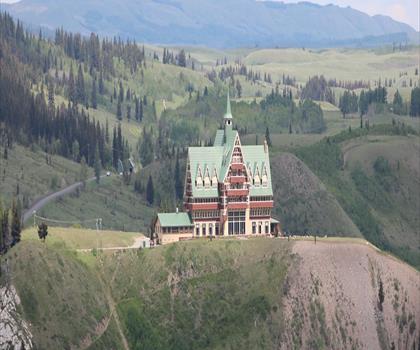
Mount Alderson
Southern Rockies
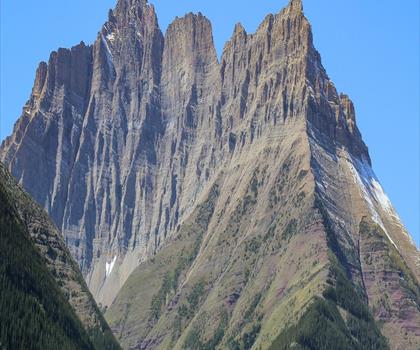
Sofa Mountain
Southern Rockies
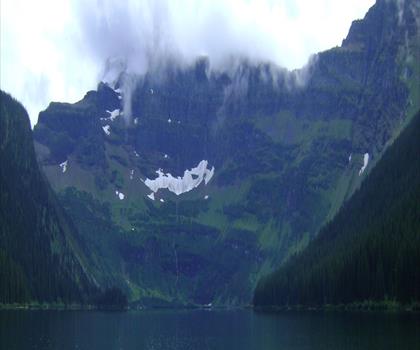
Cameron Lake
Southern Rockies
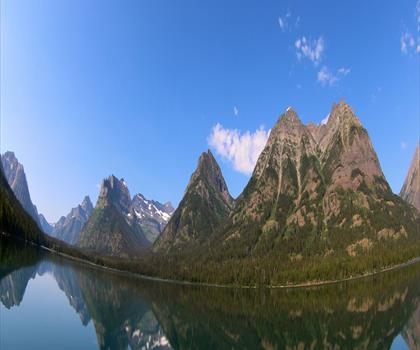
Crypt Lake Trail
Southern Rockies
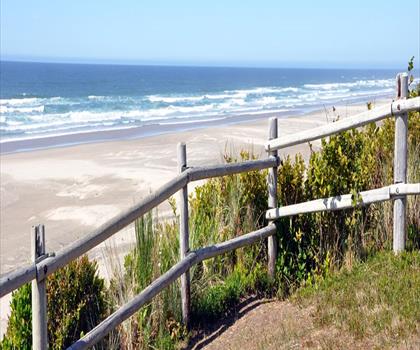
Driftwood Beach
Southern Rockies
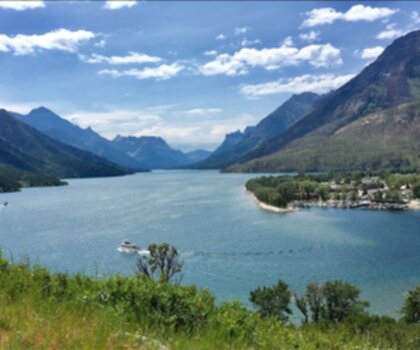
Waterton Lakes National Park of Canada
Southern Rockies
Hiking near Calgary
120 trails to explore ~165 km away
We work hard to provide the most up-to-date and error-free data possible. If something seems incorrect, let us know! Your contribution helps the whole community.
Hikers' opinions
Be the first to review!
No hiker has shared their experience yet. Share your impressions and help other hikers!