
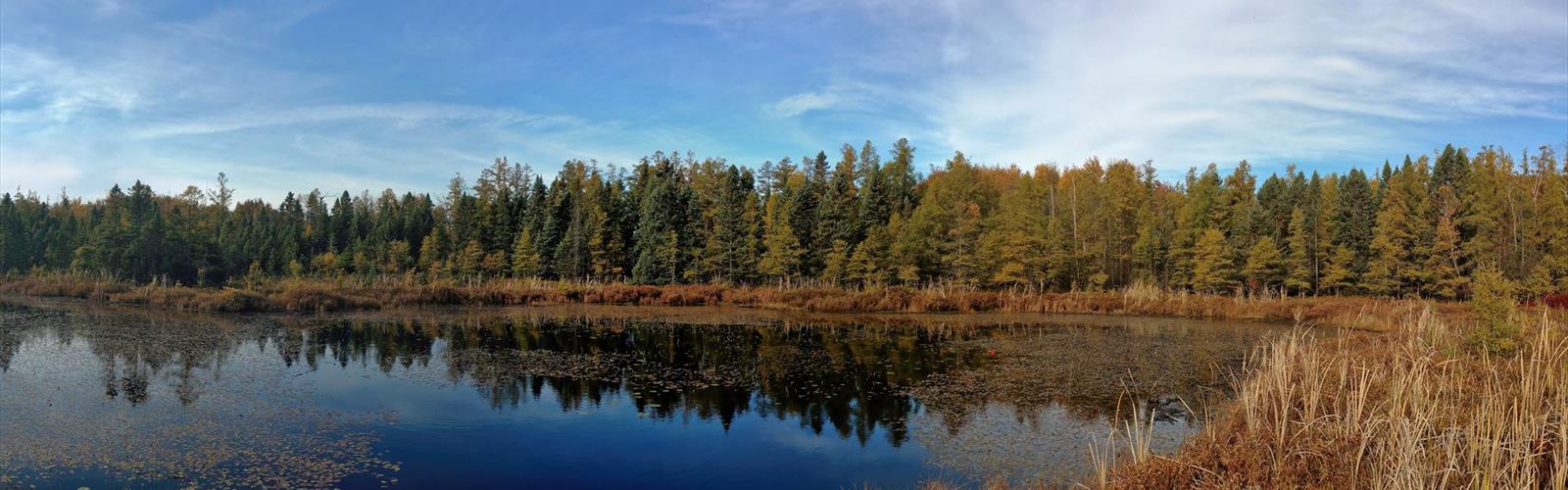

Ready to explore Sifton Bog? Here's everything you need to know before you go!
Discover the trail
Trail description
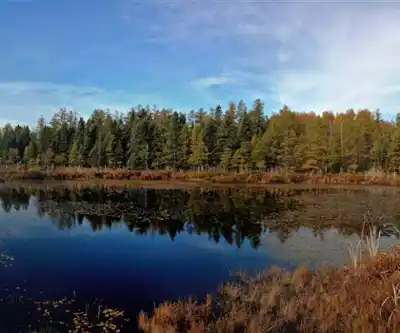
Sifton Bog is one of those places that genuinely surprises people who stumble across it for the first time. Tucked within the city of London, Ontario, this rare peat bog ecosystem offers a completely different kind of outdoor experience — one that feels far removed from the typical urban green space. It's quiet, a little otherworldly, and packed with ecological interest if you know what to look for.
What Makes Sifton Bog Special
Sifton Bog is a kettle bog, formed thousands of years ago when a large block of glacial ice melted and left behind a depression that gradually filled with water and accumulated peat over millennia. That geological origin is what makes this place so ecologically distinct from the forests and river valleys you'll find elsewhere in Southwest Ontario. The bog sits in a basin with very little water exchange, which means the water is highly acidic and low in nutrients — conditions that most plants can't tolerate, but that a specialized community of species has adapted to thrive in.
Walking through Sifton Bog, you're stepping into a living relic of a post-glacial landscape. The sphagnum moss that carpets much of the bog surface is the foundation of the whole ecosystem — it holds enormous amounts of water, acidifies the environment, and slowly builds up the peat layer that defines the bog. It's soft underfoot in places, and the whole surface has a subtle give to it that reminds you just how much water is stored beneath your feet.
The Boardwalk Experience
The main way to explore Sifton Bog is via a wooden boardwalk that winds through the heart of the ecosystem. This is a thoughtful piece of infrastructure — it keeps visitors from trampling the fragile sphagnum mat and allows you to get right into the bog without sinking into it. The boardwalk is well-maintained and accessible, making this one of the more inclusive natural experiences in the London area.
The pace here is naturally slow. This isn't a place you power through for a workout. It's a place where you stop, crouch down, and look closely. The details reward attention: the tiny insect-trapping leaves of sundew plants, the delicate pink flowers of bog rosemary, the leathery leaves of Labrador tea. These are plants that have evolved specifically to survive in nutrient-poor, acidic conditions, and you won't find this concentration of them in many other places this close to an urban centre.
Wildlife and Ecology
Sifton Bog supports a surprisingly rich variety of wildlife given its relatively compact size. The bog and its surrounding transitional zones attract a good range of bird species, particularly during migration. The shrubby edges and open water areas provide habitat for species that prefer wetland environments, and the relative quiet of the site — even though it's surrounded by the city — makes it a productive spot for birdwatching.
The plant community is the real draw for many visitors. Pitcher plants are one of the highlights — carnivorous plants that trap and digest insects in their fluid-filled leaves. Seeing them growing naturally in their native habitat is a genuinely striking experience, especially if you're used to only seeing them in botanical gardens. Alongside the pitcher plants and sundews, the bog supports a mosaic of sedges, cotton grass, and various heath shrubs that shift in composition as you move from the wetter centre toward the drier margins.
The transition zones around the bog's edge are also worth paying attention to. As the peat gives way to mineral soil, the vegetation shifts noticeably — you move from the open, low-growing bog mat into shrubby thickets and eventually into more typical woodland. This gradient of habitats compressed into a small area is part of what makes Sifton Bog ecologically valuable and visually interesting.
Practical Information
Sifton Bog is managed as a nature reserve, and the site reflects that mandate. The boardwalk keeps foot traffic on a defined path, which helps protect the sensitive bog surface. Visitors are expected to stay on the boardwalk and avoid picking or disturbing any plants — this is especially important given how slowly bog ecosystems recover from disturbance.
The site is accessible year-round, and each season brings something different. Spring brings the first flush of bog plants emerging from dormancy and early migrant birds moving through. Summer is when the carnivorous plants are most active and the bog is at its most lush. Fall shifts the palette toward russet and gold as the heath shrubs change colour. Winter strips things back and reveals the structure of the landscape in a way that's harder to see when everything is in full leaf.
There is parking available at the site, and the entrance is straightforward to find. The boardwalk itself is relatively short, so this works well as a focused nature outing rather than a full-day hike. It pairs well with other natural areas in the London region if you're looking to make a longer day of it.
Who This Is For
Sifton Bog works well for a wide range of visitors. Families with kids tend to love it — carnivorous plants and a bouncy boardwalk over a mysterious-looking bog are genuinely exciting for younger visitors. Naturalists and photographers will find plenty to keep them occupied, particularly in the plant community and during bird migration. People who want a peaceful, contemplative walk without significant physical demands will also feel at home here.
It's worth setting expectations appropriately: this is not a destination for people looking for a long trail or significant elevation. The value here is entirely in the ecological experience and the rarity of the habitat. Sifton Bog is one of the best remaining examples of a kettle bog in the region, and the fact that it exists intact within a major urban area makes it all the more remarkable.
- Terrain: Flat boardwalk through peat bog and transitional wetland
- Accessibility: Boardwalk makes the core area accessible to most visitors
- Highlights: Pitcher plants, sundews, sphagnum moss, bog rosemary, Labrador tea, birdwatching
- Best for: Nature lovers, families, photographers, birdwatchers
- Stay on the boardwalk: The bog surface is fragile — this is a firm rule, not a suggestion
The Essential Hiking Checklist
Everything you need for your next hike. Bilingual, printable, 1 page.
Get your free hiking checklistRecommended gear for this trail
As an Amazon Associate I earn from qualifying purchases.


Ready to go?
Everything you need to know before you goWhen?
How much?
As an Amazon Associate I earn from qualifying purchases.
Affiliate links — LGPO may earn a commission at no extra cost to you.
- Hiking shoes Essential
- → Salomon Elixir Tour Mid WP · 203.38 $
- Layered clothing Essential
- Rain jacket Essential
- Trekking poles
- → Black Diamond Trail Ergo Cork · 69.99 $
- Headlamp
- → Petzl Actik Core 625 · 103.95 $
FAQ - Frequently asked questions
Everything you need to knowSimilar hikes nearby
Discover other trails you might enjoy
Lynn Valley Trails
Southwest Ontario
Point Pelee National Park High Point, Ontario
Southwest Ontario
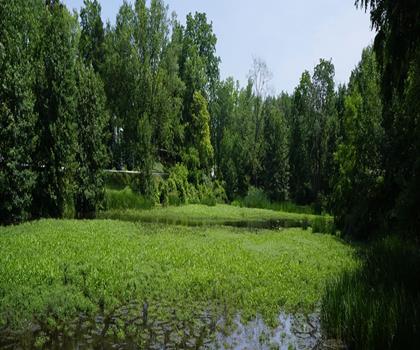
Oxford Thames River Trail
Southwest Ontario

Pinery Provincial Park
Southwest Ontario
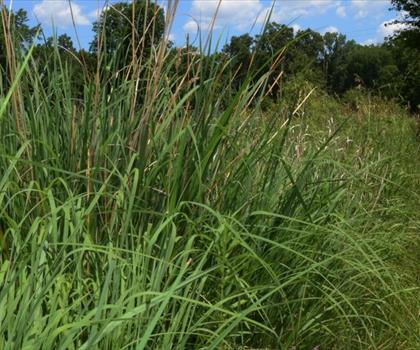
Ojibway Prairie Provincial Nature Reserve
Southwest Ontario
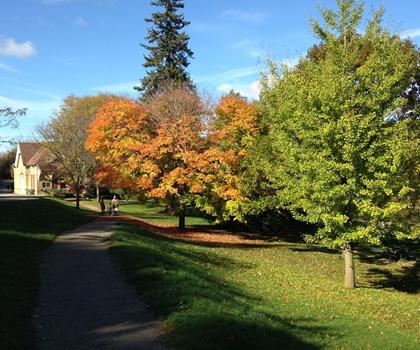
Springbank Park
Southwest Ontario
Hiking near Kitchener
142 trails to explore ~86 km away
We work hard to provide the most up-to-date and error-free data possible. If something seems incorrect, let us know! Your contribution helps the whole community.
Hikers' opinions
Be the first to review!
No hiker has shared their experience yet. Share your impressions and help other hikers!