You know that feeling when you hear a branch crack behind you deep in the forest? Your heart racing, adrenaline pumping... What if it's a bear? After 15 years exploring Quebec and Canada's trails, I've had my share of encounters with our furry friends. The good news? Bear protection while hiking isn't rocket science when you know the right techniques. I'm going to share everything I've learned in the field to hike safely in their territory.
Get my gifts →
🐻 Which Bears Might You Encounter in Quebec and Canada?
Let's be real: not all bears behave the same way. In Canada, you can encounter three species, and each requires a different approach.
Black Bear: Your Most Likely Neighbor
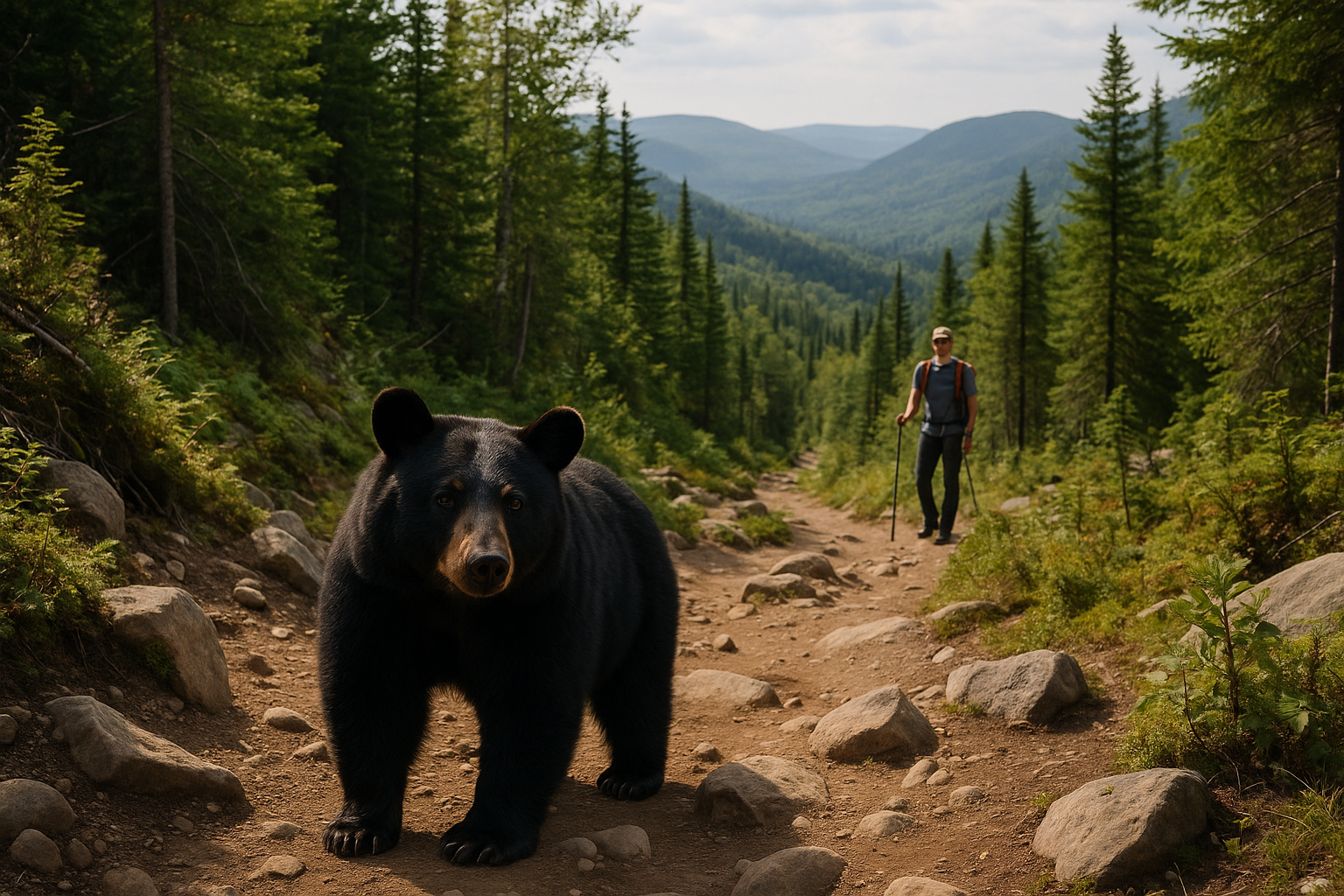
The black bear accounts for 95% of encounters you'll have. Despite its name, it can be brown, cinnamon, or even blonde! I've crossed paths with dozens over the years, especially in the Hautes-Gorges de la rivière Malbaie and at Mont Yamaska.
Most of the time, they're more afraid of you than you are of them. They prefer to avoid contact and bolt as soon as they sense your presence. But watch out for females with cubs in spring - that's a whole different story.
Brown Bear (Grizzly): The Western Giant
If you're hiking in Western Canada - Alberta, British Columbia, Yukon - you're entering grizzly territory. Bigger, more unpredictable, and definitely more dangerous than their black cousin.
Polar Bear: The Arctic Exception
Unless you're planning an Arctic expedition, you'll never encounter a polar bear on a typical hike. But hey, good to know they exist!
| Species | Size | Behavior | Where to Find Them |
|---|---|---|---|
| Black Bear | 125-250 kg | Timid, avoids humans | Throughout Canada |
| Brown Bear | 200-600 kg | Territorial, unpredictable | Western Canada |
| Polar Bear | 400-800 kg | Active predator | Arctic only |
🔊 How to Avoid Encounters: Prevention First
The best bear encounter is the one that doesn't happen. And trust me, it's much easier to avoid them than to manage a face-to-face meeting.
Make Noise, Lots of Noise
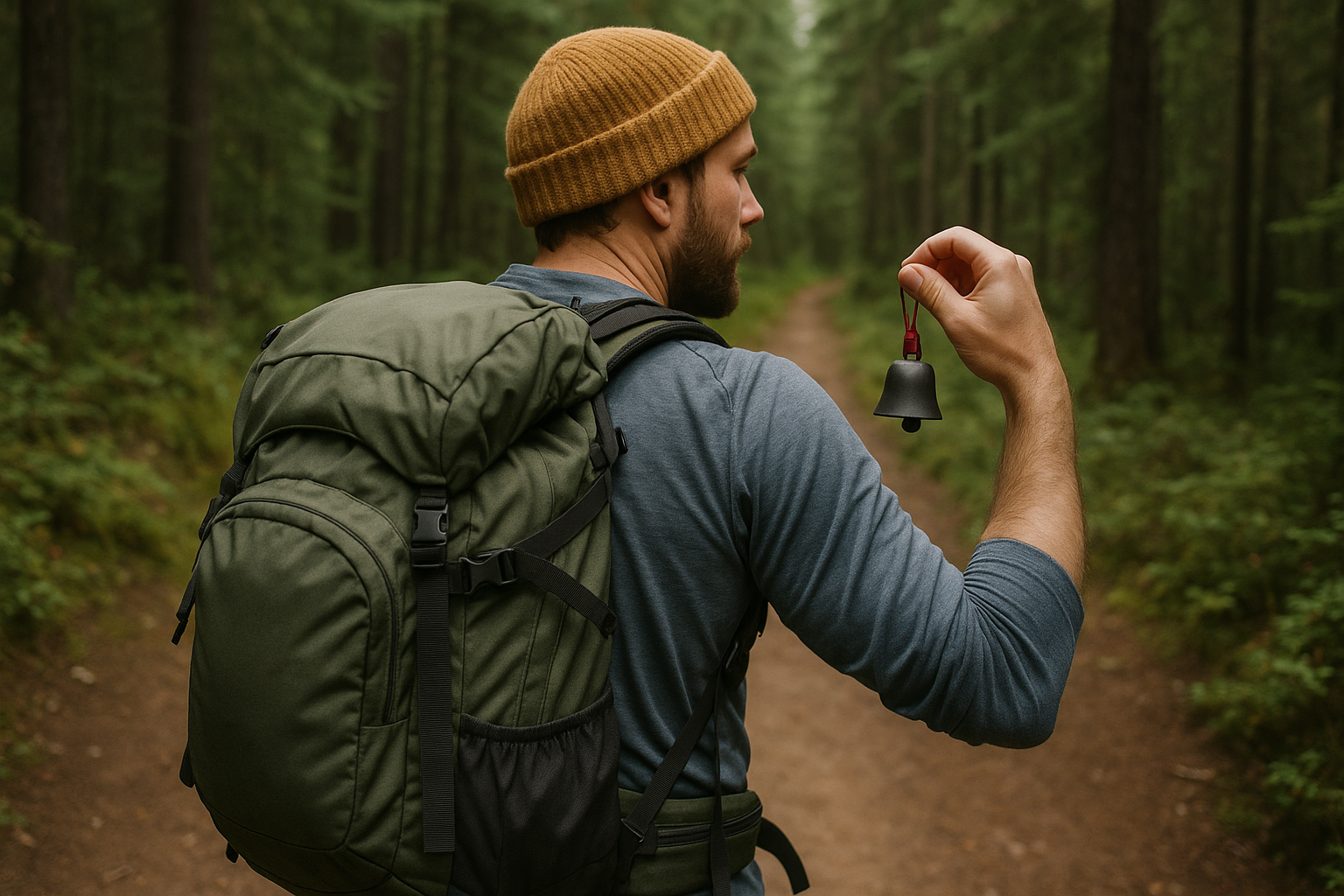
My favorite trick? I talk to myself on the trail. My friends think I'm crazy, but it works! Bears hate surprises as much as you do. By hearing you coming, they have time to get out of dodge.
- Talk loudly around curves and areas with reduced visibility
- Clap your hands near noisy streams
- Use a bear bell (even though some call it a "dinner bell")
- Avoid headphones - you need to hear your surroundings
Choose Your Times and Places
Bears have their habits, and knowing their routine can save your skin. After years of observation, I've noticed clear patterns:
- Avoid dawn and dusk - that's their lunch time
- Be wary of food areas - berry patches, salmon streams, wild apple trees
- Watch for carcasses - if you smell carrion, turn back
- Stay on official trails - fewer mutual surprises
The Group Rule
Solo, you're an easy target. In a group, you become a potential threat the bear prefers to avoid. Hike with at least two people in high bear density areas.
I learned this lesson the hard way during a solo outing in Charlevoix. Face to face with a female and her cubs... Fortunately, she chose to leave with her young rather than defend her territory.
🎒 Essential Safety Equipment
Let's talk gear. After testing pretty much everything on the market, here's what truly deserves a place in your pack.
Bear Spray: Your Best Friend
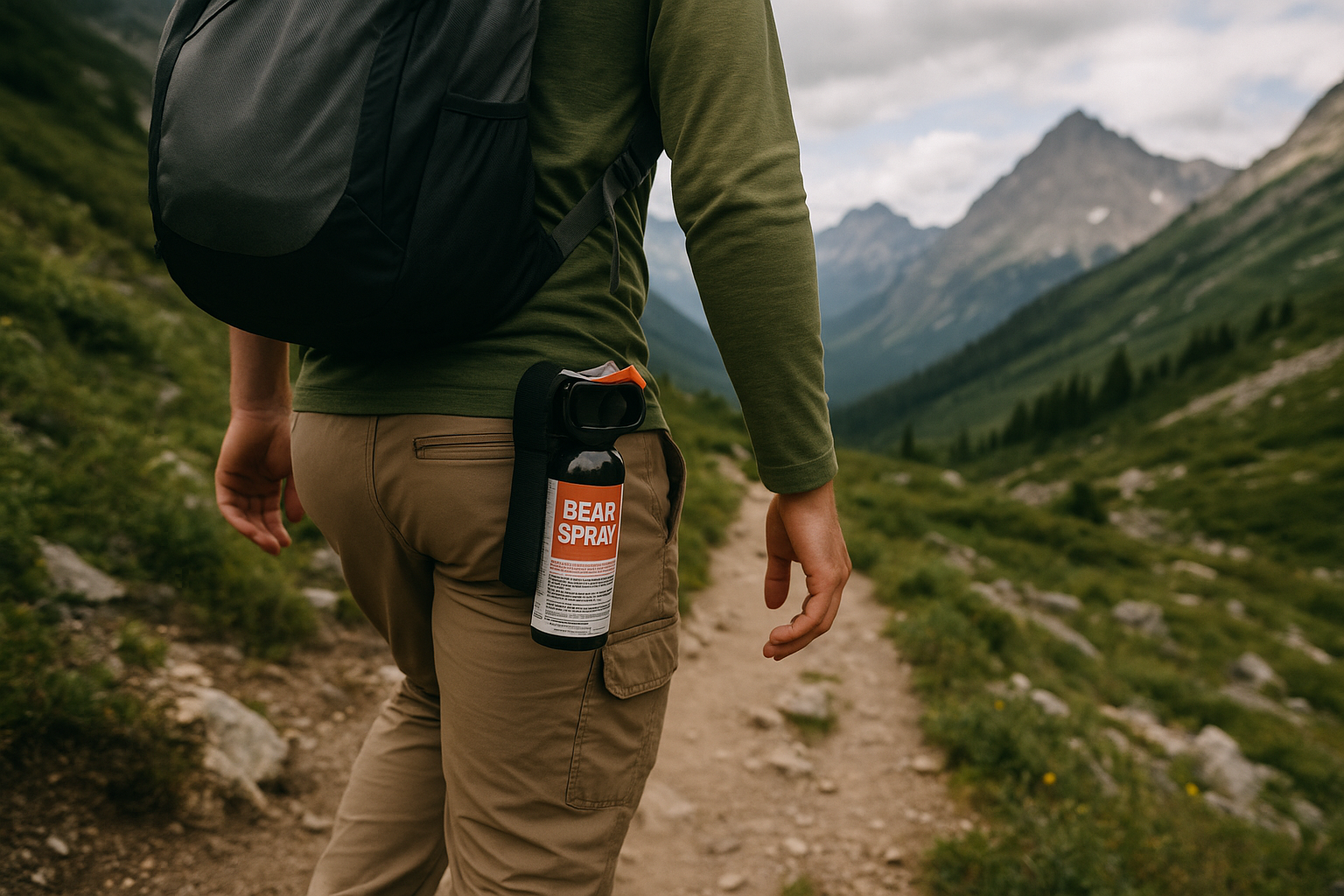
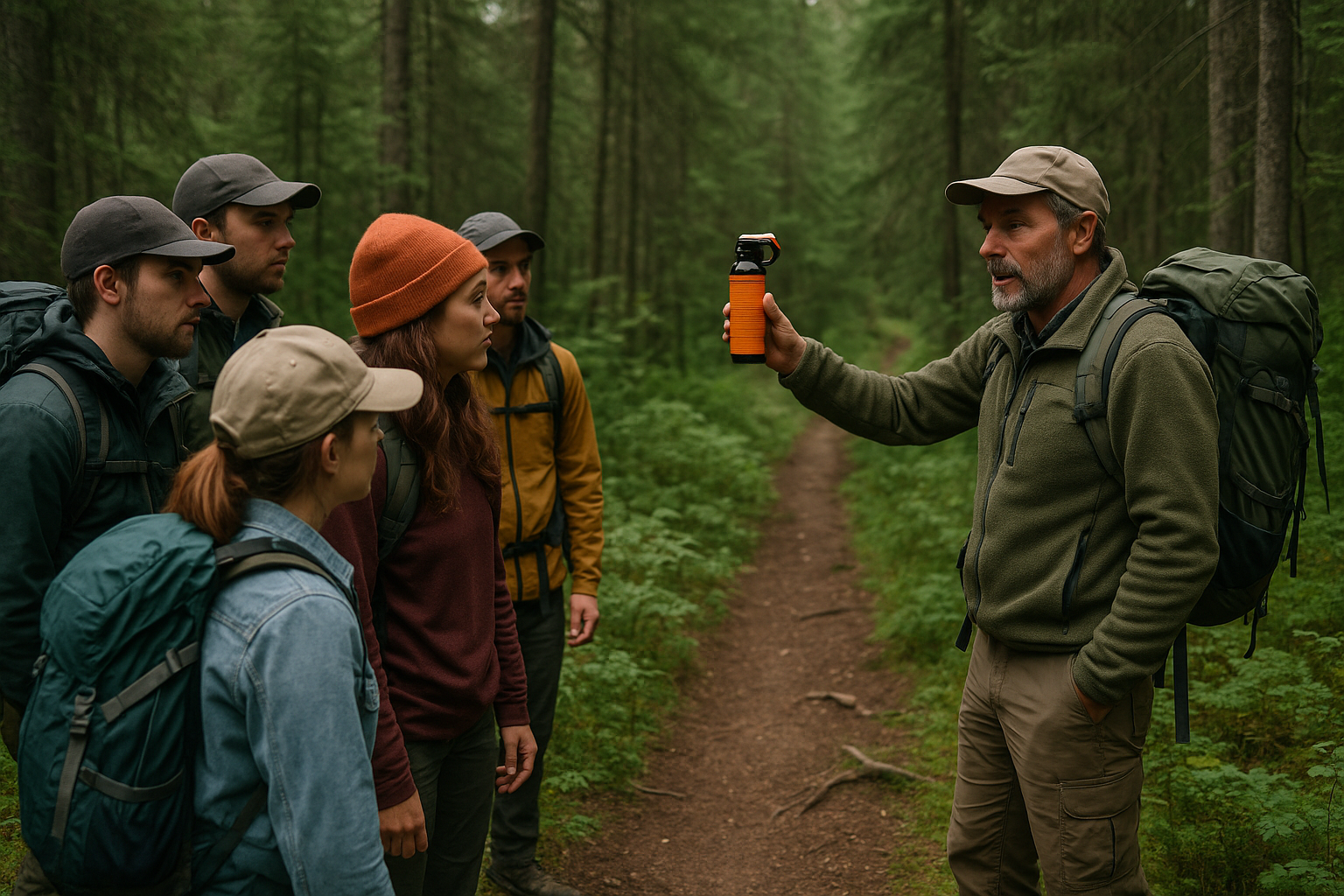
Bear spray is your life insurance in a can. More effective than any weapon, lighter, and legal everywhere in Canada.
- Range: 6-8 meters minimum
- Concentration: 1-2% capsaicin
- Volume: 225g minimum (7-8 seconds of spray)
- Tested brands: Counter Assault, SABRE, Guard Alaska
Other Safety Tools
| Equipment | Purpose | Priority |
|---|---|---|
| Bear bell | Prevention, signaling | High |
| Emergency whistle | Scare, call for help | High |
| Powerful headlamp | Visibility, deterrent | Medium |
| Trekking poles | Appear larger | Medium |
| Airtight containers | Isolate food odors | High |
Food Management
A bear can smell your snack from several kilometers away. Seriously. Their sense of smell is 7 times more developed than a hunting dog's.
- Airtight containers mandatory - no leaky Ziplocs
- Avoid smelly foods - bacon, fish, overripe fruit
- Food cache - hang your bag 4 meters high and 2 meters from trunk
- Eat away from camp - at least 100 meters
For day trips around Montreal, it's less critical. But as soon as you head north or west, these rules become vital.
😱 Face to Face with a Bear: What to Do Exactly
Well, despite all your precautions, it happens. You turn a corner and BAM - a bear is looking you straight in the eyes. Don't panic (easier said than done, I know). Here's exactly what you need to do, in order.
The Crucial First Seconds
These first 10-15 seconds determine everything. I've lived through this three times, and each time, my brain wanted to do exactly the opposite of what was needed.
- STOP dead - not one more step
- Avoid direct eye contact - look at its paws, not its eyes
- Speak in a calm, low voice - "Hey bear, I'm leaving quietly"
- Get your spray out discreetly - remove the safety
- NEVER run - you'd trigger its predator instinct
Assessing the Bear's Behavior
Not all bears react the same way. Observing its body language helps you adapt your response:
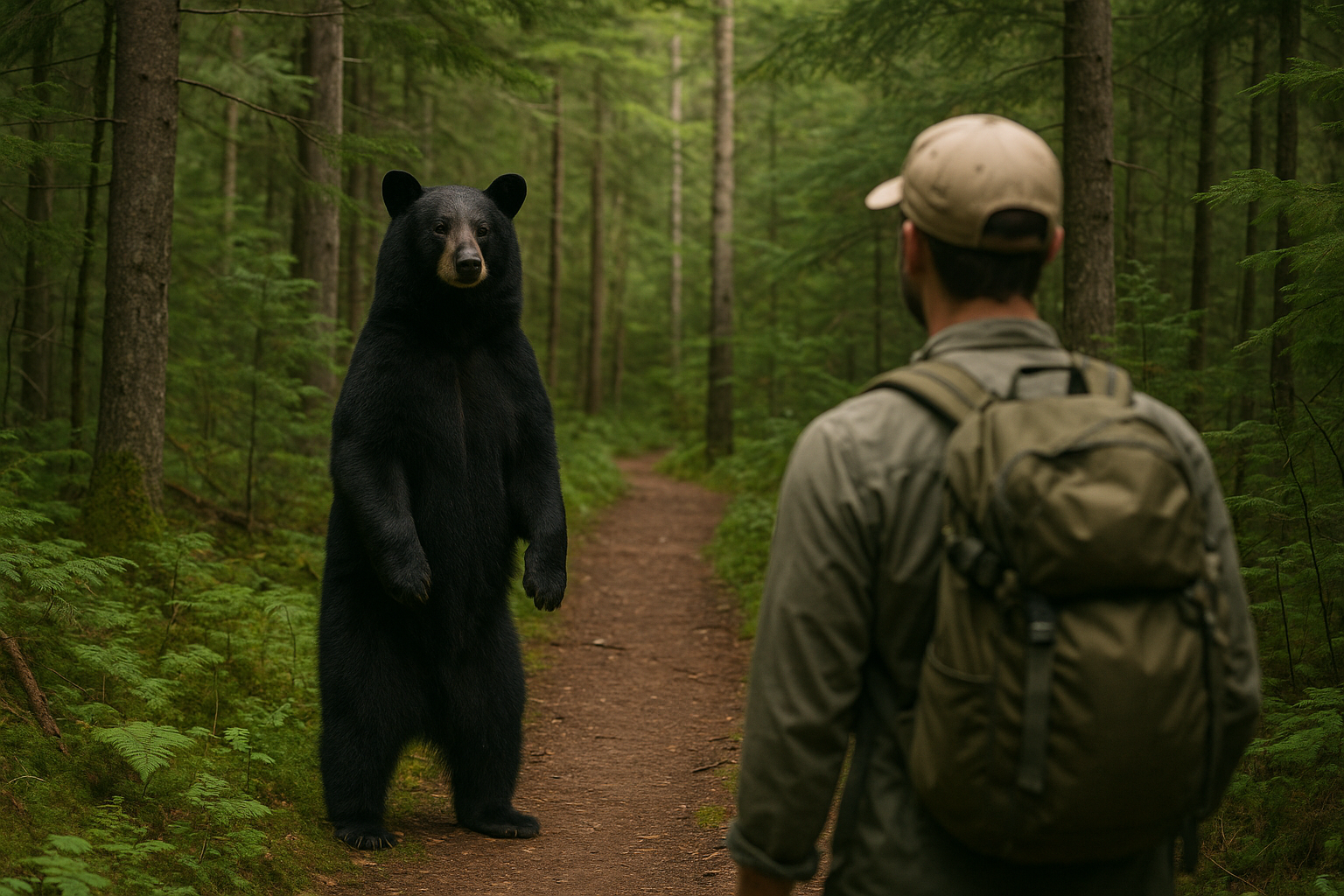
Curious bear (most common):- Stands on hind legs to see better
- Sniffs in your direction
- Ears upright, relaxed posture
- Your response: back away slowly while speaking calmly
- Huffs loudly, jaw pops
- Ears pinned back
- Makes bluff charges (stops before reaching you)
- Your response: make yourself big, speak loudly, prepare spray
- Charges directly without stopping
- Deep growling
- Sustained eye contact
- Your response: spray at 3-4 meters, then play dead if contact
💨 Deterrent Techniques That Actually Work
Over the years, I've tested quite a few techniques to discourage overly curious bears. Some work like a charm, others... let's say I was lucky.
The "Big Bad" Technique
Paradoxically, appearing more imposing can make a bear flee. But careful - this works mainly with timid black bears, not with territorial grizzlies.
- Raise your arms above your head
- Open your jacket to appear wider
- Speak in a loud, low voice - no high-pitched screams
- Advance very slowly while staying face-to-face with the bear
- Use your trekking poles to add height
I used this technique successfully near Canyon Sainte-Anne. A young black bear had spotted me and was approaching curiously. Two minutes of "big bad" and it decided I was too complicated to deal with.
Using Spray: Timing and Technique
Bear spray is 98% effective according to studies. But you still need to know how to use it correctly:
- Usage distance: 3-4 meters maximum
- Aim slightly downward - the cloud will rise
- 2-3 second burst - not the whole can at once
- Watch the wind - avoid gassing yourself
- Be ready to back away - the bear might charge through the cloud
When to Play Dead (and When Definitely Not)
Playing dead is the last resort technique. And it only works in very specific situations:
Play dead IF:- The bear attacked you by surprise (mother defending cubs)
- It's a grizzly in defensive mode
- Physical contact is unavoidable
- The bear followed or stalked you
- It's a black bear (they're often curious/playful)
- The attack seems predatory
The technique: lie on your stomach, hands behind neck, legs spread to be hard to flip over. And you stay motionless even if it hurts - until the bear has been gone for several minutes.
« In 30 years of bear research, I've learned they are much more fearful than dangerous. Mutual respect is the key. » - Dr. Stephen Herrero, bear behavior expert
🗺️ Risk Areas in Quebec and Canada
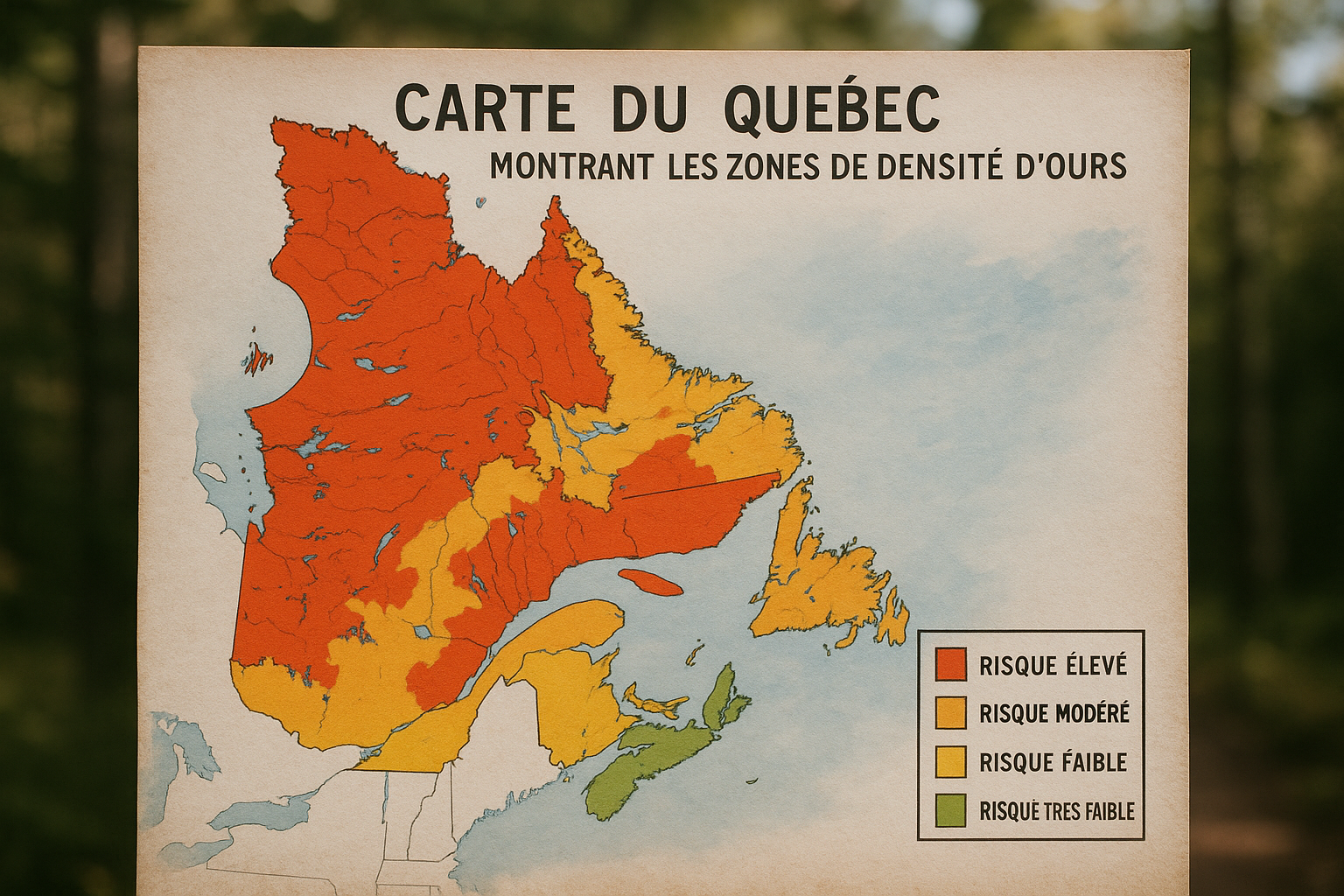
Not all regions are equal when it comes to bears. After traveling Canada from coast to coast, I can give you a clear map of areas where you should double your vigilance.
Quebec: Concentrations by Region
Quebec has about 60,000 black bears. They're not evenly distributed:
- High density: Charlevoix, Saguenay, Côte-Nord, Abitibi
- Medium density: Laurentides, Mauricie, Gaspésie
- Low density: Montérégie, Centre-du-Québec
- Almost non-existent: Montreal region, Laval
When I guide groups in the Charlevoix mountains, I always bring out the spray. In Centre-du-Québec? Never needed it.
Rest of Canada: Where to Be Extra Careful
| Province/Territory | Species Present | Risk Level |
|---|---|---|
| British Columbia | Black + Grizzly | Very High |
| Alberta | Black + Grizzly | High |
| Yukon/NWT | Black + Grizzly + Polar | Very High |
| Ontario | Black only | Medium |
| Maritimes | Black only | Low to Medium |
Critical Periods
Timing is crucial. Certain periods multiply encounter risks:
Spring (April-June):- Bears hungry after hibernation
- Females with newborns (very protective)
- Males searching for territory
- Hyperphagia before winter
- Concentration in food areas
- Less predictable behavior
Summer remains the safest period, but never completely let your guard down. I had my most stressful encounter on a beautiful sunny July morning!
🚨 What to Do After an Encounter
The encounter is over, the bear is gone, your heart is still beating at 200 bpm. It's not over - there are important steps to follow.
Immediately After
- Stay calm and don't pursue - let the bear move away completely
- Check that you're not injured - adrenaline sometimes masks injuries
- Note the time, exact location, bear's behavior
- Take a photo of the area if it's safe
- Assess if you can continue or need to turn back
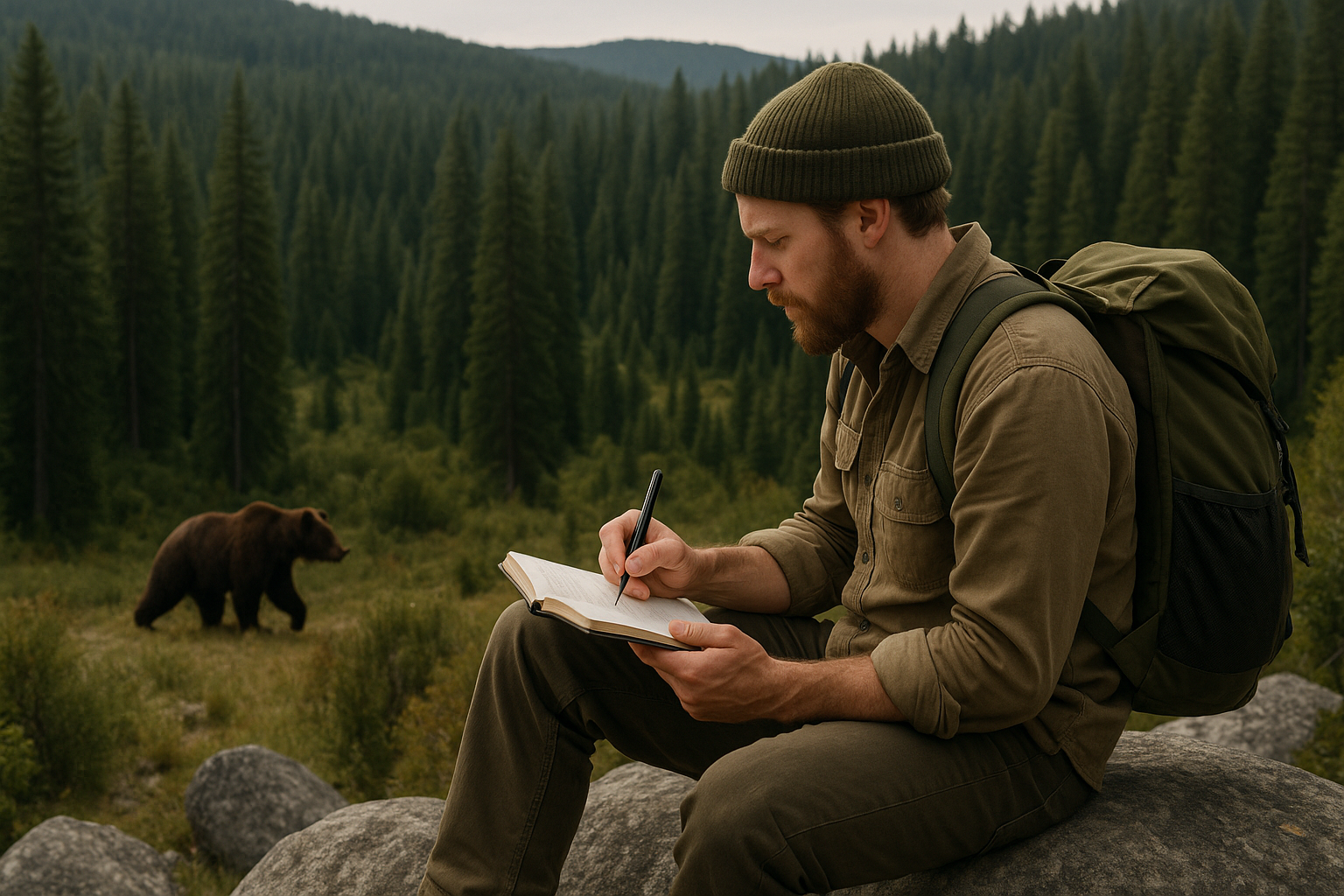
Personally, after my first real encounter, I needed 15 minutes sitting on a rock for my legs to stop shaking. That's normal!
Reporting to Authorities
Certain encounters must absolutely be reported:
- Aggressive bear or one that charged
- Bear that doesn't flee at your approach
- Bear near frequented areas (camping, popular trails)
- Injured or sick bear
- Use of bear spray
In Quebec, contact Wildlife Protection at 1-877-346-6763. In national parks, report to the park office. This info helps protect other hikers.
Learning from Experience
Each encounter teaches you something. Analyze what happened:
- What led to this encounter?
- Could you have avoided it? How?
- What worked well in your reaction?
- What would you change next time?
My encounters taught me the importance of noise in dense terrain, the value of well-placed spray, and above all that staying calm saves lives.
🎯 Myths and Realities: Separating Fact from Fiction
After 15 years listening to hikers' stories, I've heard some wild tales about bears. Let's separate facts from fiction once and for all.
Myths That Could Kill You
MYTH: "Bears can't run downhill"REALITY: Completely false. They run just as fast uphill as downhill. I've seen a black bear barrel down a 45° slope like it was flat ground. MYTH: "Climb a tree, they can't climb"
REALITY: Black bears climb better than you. Adult grizzlies climb less well, but their 10cm claws can reach you even if you're 3 meters up. MYTH: "If you see a lone cub, no danger"
REALITY: FALSE and ultra-dangerous! Mom is never far and will defend her young to the death. Flee immediately.
Surprising Realities
- A bear can smell your food 8 km away with favorable wind
- They have excellent memory - a bear will return where it found food
- They actively avoid humans - you pass near bears without knowing it regularly
- Fatal attacks are exceptional - 1-2 per year in Canada
« In 30 years of intensive hiking, I've encountered over 50 bears. None attacked me. Respect and prevention work. » - My own field experience
The Man-Eating Bear Myth
Hollywood sold us the image of the bloodthirsty bear. Reality is quite different:
- 99.9% of encounters end with the bear fleeing
- Attacks are almost always defensive (protecting cubs)
- Bears prefer berries, roots and insects to your flesh
- You're more likely to be struck by lightning than killed by a bear
That doesn't mean you should take them lightly, but paralyzing fear helps no one. Intelligent caution, yes.
📚 Resources and Training to Go Further
If you really want to master bear safety, nothing replaces practical training. Here are my field-tested recommendations.
Recommended Training
- Wilderness first aid courses - Red Cross or St. John Ambulance
- "Bear Aware" training - offered in several Western parks
- SEPAQ safety workshops - for Quebec parks
- Experienced local guides - nothing beats field experience
Useful Apps and Tools
- iNaturalist - to identify bear tracks and signs
- Bear Smart - reporting app and advice
- Gaia GPS - mapping with bear activity zones
- SOS Emergency - geolocation for rescue services
Essential Reading
A few books that changed my understanding of bears:
- "Bear Attacks" by Stephen Herrero - THE scientific reference
- "Among Grizzlies" by Timothy Treadwell - what NOT to do
- Local park guides - updated field info
For your first outings in bear country, start with popular trails like those in the Top 15 easy trails near Montreal. Experience builds gradually.
There's the complete picture of bear safety while hiking. After all these years on the trail, I can tell you one thing: bears are not your enemies. They're forest roommates who deserve respect and caution.
Key points to remember:
- Prevention is worth a thousand interventions - make noise, choose your times, manage your food
- Equipment saves lives - accessible bear spray, airtight containers, bell
- Stay calm during encounters - no eye contact, slow retreat, low calm voice
- Know your territory - certain areas and periods are riskier
- Learn continuously - training, reading, field experience
The mountains await you, the trails have never been more beautiful, and bears are part of this magic. With the right knowledge and equipment, you can hike safely in their territory.
So, ready for your next adventure? Check out our preparation guide and our beginner mistakes to avoid. Nature awaits you!

About the author
François Dumaine
Founder of Let's Go Play Outside
A passionate hiker, photographer and content creator, François has been hiking the trails of Quebec and Alberta since 2014. He founded Let's Go Play Outside to give you the information he wished he had before heading out.
Newsletter
Content that makes you want to go outside
Every week, a trail idea, a reflection on nature, or a tip worth the detour. Zero spam. Only the essentials.
Joined by 12,000+ outdoor enthusiasts
Read next