
Ready to explore White Rim Road? Here's everything you need to know before you go!
Discover the trail
Trail description
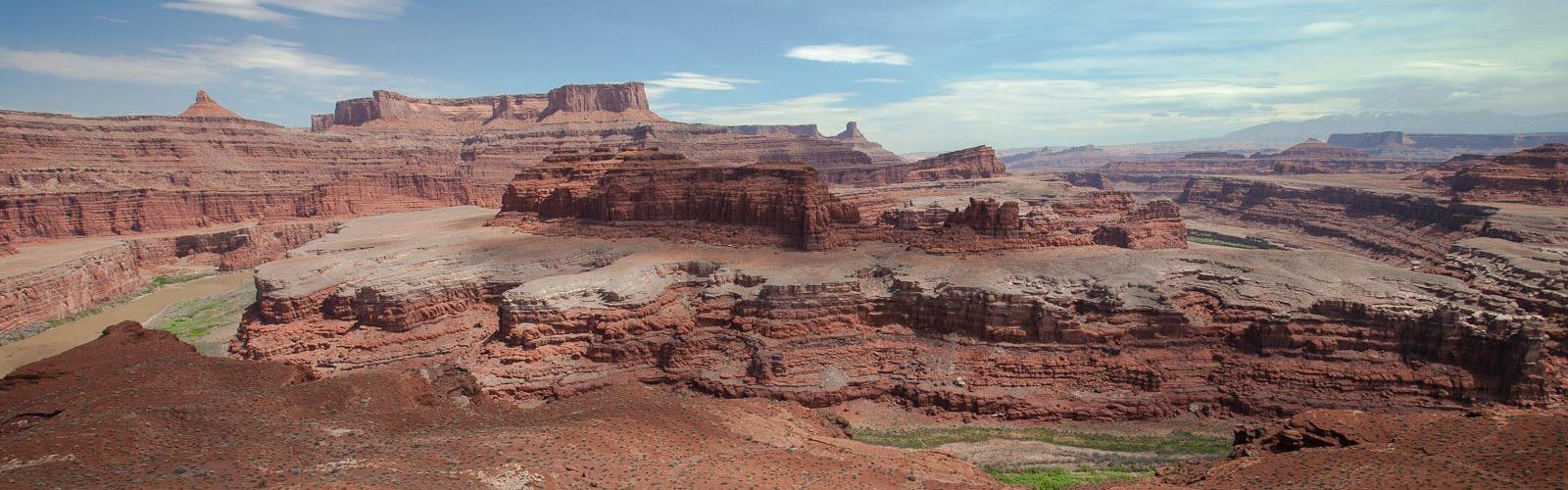
The White Rim Road is one of the most iconic off-road routes in the American Southwest. Cutting through the heart of Canyonlands National Park in Utah, this rugged dirt road traces the edge of a dramatic sandstone bench that sits roughly 1,200 feet below the Island in the Sky mesa and about 1,000 feet above the Colorado and Green Rivers. It's a place that earns its reputation — not through hype, but through sheer geological spectacle.
Most people tackle the White Rim Road by mountain bike or 4WD vehicle over several days, but it's also accessible to hikers who want to explore specific sections on foot. Whether you're dropping in from one of the rim access points or hiking out along the bench itself, the experience is raw, exposed, and genuinely remote.
The Terrain
The road follows the White Rim, a broad sandstone ledge formed by the White Rim Sandstone formation — a pale, cream-colored layer of rock that gives the route its name. The landscape here is classic canyon country: towering buttes, sheer cliffs, sweeping river views, and a silence that feels almost physical. The Colorado River carves its way through Cataract Canyon to the south, while the Green River winds through Stillwater Canyon to the west. From the rim, you can often see both.
The terrain underfoot shifts between packed dirt, loose sand, and exposed slickrock. There's very little shade, and the open bench means you're fully exposed to sun and wind. The scale of everything out here takes some getting used to — distances are deceptive, and what looks like a short walk to a nearby butte can turn into a much longer effort than expected.
Access Points
The White Rim Road is accessed from Island in the Sky, the northernmost district of Canyonlands National Park. The main entry points are Mineral Bottom Road (from the west, dropping down from the Horsethief Point area) and the Shafer Trail Road (from the east, descending steeply from near the Island in the Sky visitor center). Both access roads are rough and require high-clearance vehicles — the Shafer Trail in particular involves tight switchbacks cut directly into the canyon wall.
Hikers exploring the area on foot typically access specific trailheads from the Island in the Sky mesa, then descend to the White Rim level. Trails like Murphy Point, Gooseberry, and Lathrop all connect the mesa top to the White Rim bench, though these are serious routes with significant elevation change and no water sources.
What Makes It Distinct
What sets the White Rim Road apart from other canyon experiences in Utah is the combination of scale and isolation. You're not just passing through a scenic viewpoint — you're immersed in a landscape that feels genuinely untouched. The bench sits at an elevation that puts you eye-level with some of the most dramatic canyon architecture in the Colorado Plateau, including the towering spires of Monument Basin visible from Gooseberry Mesa and the broad sweep of the White Rim itself stretching in both directions.
Wildlife is present but often subtle. Keep an eye out for desert bighorn sheep on the canyon walls, ravens riding thermals overhead, and the occasional lizard darting across the rock. The Colorado and Green Rivers below support a different ecosystem entirely — cottonwood groves, beaver activity, and migratory birds are common along the riverbanks.
Permits and Regulations
Canyonlands National Park requires a permit for overnight use of the White Rim Road, whether you're camping by vehicle, mountain bike, or on foot. A day-use permit is also required for all vehicles, motorcycles and bicycles on the White Rim Road, in addition to the park entrance fee, according to the NPS. Permits are competitive and should be secured well in advance through the National Park Service reservation system.
Camping is restricted to designated sites along the route. Campfires are not permitted. All waste — including human waste — must be packed out. The park provides WAG bags at the visitor center for this purpose. Dogs are not allowed on trails within Canyonlands National Park, including access routes to the White Rim.
Practical Considerations
- Water: There is no potable water anywhere along the White Rim Road. All water must be carried in. This is non-negotiable — the distances and heat make dehydration a serious risk.
- Vehicle requirements: High-clearance 4WD is required for the access roads and the route itself. Some sections involve deep sand, rocky ledges, and steep grades. A full-size spare tire and basic recovery gear are strongly recommended.
- Cell service: Essentially nonexistent along the entire route. A satellite communicator is a smart addition to any kit out here.
- Weather: Flash floods can make certain sections impassable with little warning. Check forecasts before heading in, and be aware that storms upstream can affect canyon conditions even on clear days at the rim.
- Entrance fee: Canyonlands National Park charges a standard entrance fee. An America the Beautiful pass covers this.
The Experience
Spending time on the White Rim — whether for a few hours or several days — leaves a mark. The light changes constantly out here, moving across the canyon walls in ways that make the same view look completely different at dawn versus midday versus dusk. The quiet is real. On a weeknight in the shoulder season, you might go hours without seeing another person.
For hikers specifically, the White Rim is less about logging miles and more about being present in a landscape that operates on its own terms. The rock is ancient, the rivers are patient, and the canyon doesn't care about your schedule. Come prepared, move carefully, and give yourself enough time to actually look around.
The White Rim Road sits inside one of the least-visited national parks in the American Southwest, and that relative quiet is a big part of what makes it worth the effort to get there.
In winter
According to the NPS, winters at Canyonlands are cold, with highs averaging 30 to 50°F (-1 to 10°C) and lows averaging 0 to 20°F (-17 to -6°C). Large snowfalls are uncommon in the park (except in nearby mountains), but even small amounts of snow or ice can make trails and roads impassable. In the Island in the Sky district, paved roads may close temporarily after snow while crews plow, and unpaved backcountry roads may be impassable for longer periods. The Shafer Trail, one of the steep sections of the White Rim loop, is often impassable in winter due to snow and ice. The NPS recommends chains for all four tires, especially from October through April, and says all vehicles should carry chains during winter.
On the district's trails, sandstone covered with snow and ice is treacherous, snow can quickly cover cairns and ice may remain in shady spots. The NPS recommends instep crampons or other traction aids.
A permit is required for all overnight backcountry travel and for day-use trips on the White Rim Road, even when the visitor center is closed; the permit must then be reserved online (the NPS also mentions the Backcountry Reservation Office in Moab). The winter season for overnight permits runs December 10 to March 9. According to the NPS winter page (updated September 21, 2026), the Island in the Sky visitor center is open daily from 8 a.m. to 4 p.m. from October 28 through November 29, then from 9 a.m. to 4 p.m. from November 30 through March 2, except Christmas Day (closed), Christmas Eve and Thanksgiving Day (closing at 1 p.m.). Water may be available there only when it is open, and there is no water in the campground; there is no gas, food or lodging at Island in the Sky.
Everything you need for your next hike. Bilingual, printable, 1 page.
Get your free hiking checklistRecommended gear for this trail
As an Amazon Associate I earn from qualifying purchases.


Ready to go?
Everything you need to know before you goWhen?
As an Amazon Associate I earn from qualifying purchases.
Affiliate links — LGPO may earn a commission at no extra cost to you.
- Hiking shoes Essential
- → Salomon Elixir Tour Mid WP · 203.38 $
- Layered clothing Essential
- Rain jacket Essential
- Trekking poles
- → Black Diamond Trail Ergo Cork · 69.99 $
- Headlamp
- → Petzl Actik Core 625 · 103.95 $
FAQ - Frequently asked questions
Everything you need to knowOutings near White Rim Road
Discover other trails you might enjoy
White Rim Trail
Southern Utah · 20.7 km away
Slickrock Trail
Southern Utah · 42.3 km away
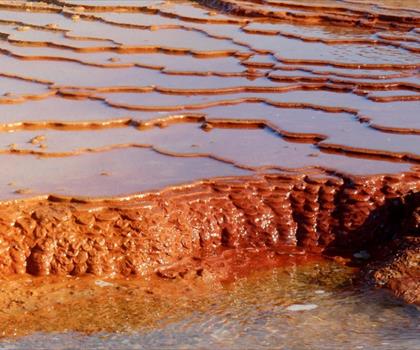
Crystal Geyser
Southern Utah · 49.2 km away
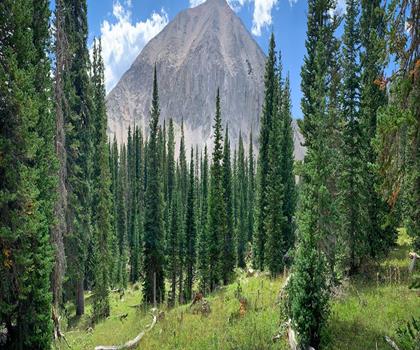
Mount Peale
Southern Utah · 67.4 km away
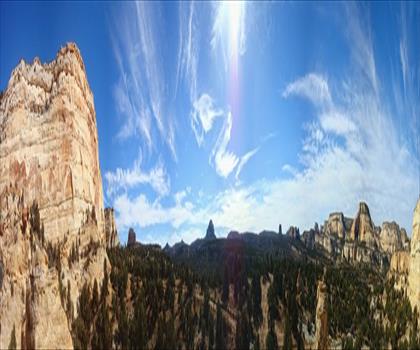
Reds Canyon Trail
Central Utah · 86.6 km away
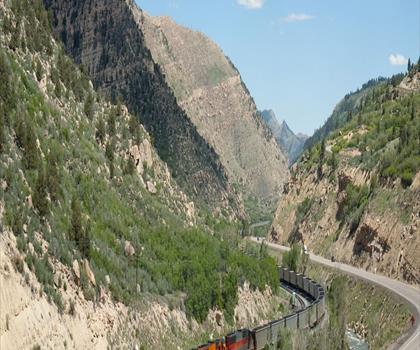
Price River
Central Utah · 97.4 km away
Hiking near Regina
4 trails to explore ~1393 km away
We work hard to provide the most up-to-date and error-free data possible. If something seems incorrect, let us know! Your contribution helps the whole community.
Hikers' opinions
Be the first to review!
No hiker has shared their experience yet. Share your impressions and help other hikers!