Essential Hiking Gear: Complete and Detailed List
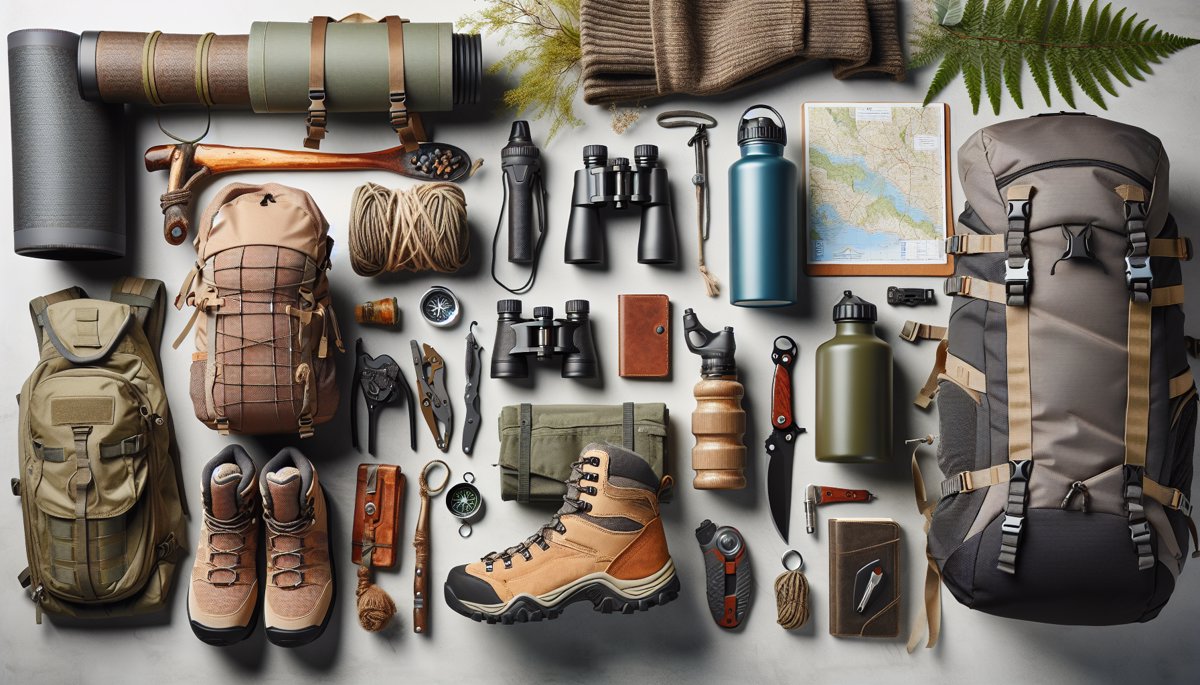
I was climbing Mont du Lac des Cygnes last fall when I crossed paths with a guy in jeans and sneakers, carrying a half-empty water bottle for the entire day. He looked at me with my well-organized essential hiking gear and said, "What are you doing, going on an expedition?" Two hours later, he was asking if I had spare socks because his feet were a mess. That's the difference between a memorable outing and torture: having the right gear at the right time.
After 15 years exploring Quebec trails and beyond, I've learned there's a huge difference between dragging everything you own "just in case" and intelligently packing what will actually serve you. In this guide, I'll share my complete, field-tested list—the one that's been with me everywhere for years.
Get my gifts →
🥾 Essentials for Your Feet and Comfort
Your feet are your engine on the trail. Poor footwear is like starting with bald tires on ice. I made that mistake once at Mont Yamaska with brand new shoes. Result: three blisters and a descent that felt more like torture than pleasure.
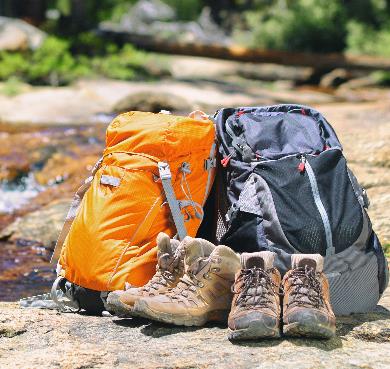
Hiking Shoes
Golden rule: never wear new shoes on the trail. Always break them in over at least 20 km before a real outing. For beginners, good beginner hiking shoes will work perfectly.
| Type of outing | Recommended shoes | Advantages |
|---|---|---|
| Easy trails, short distances | Trail runners | Lightweight, breathable, quick-drying |
| Day hikes | Low-cut hiking shoes | Lateral support, robust sole |
| Technical terrain, heavy pack | High-top boots | Ankle protection, waterproof |
Technical Socks
Forget cotton! Merino wool or synthetic socks wick moisture and keep your feet dry. My trick: I always carry a spare pair. It weighs nothing and can save a day.
Layered Clothing
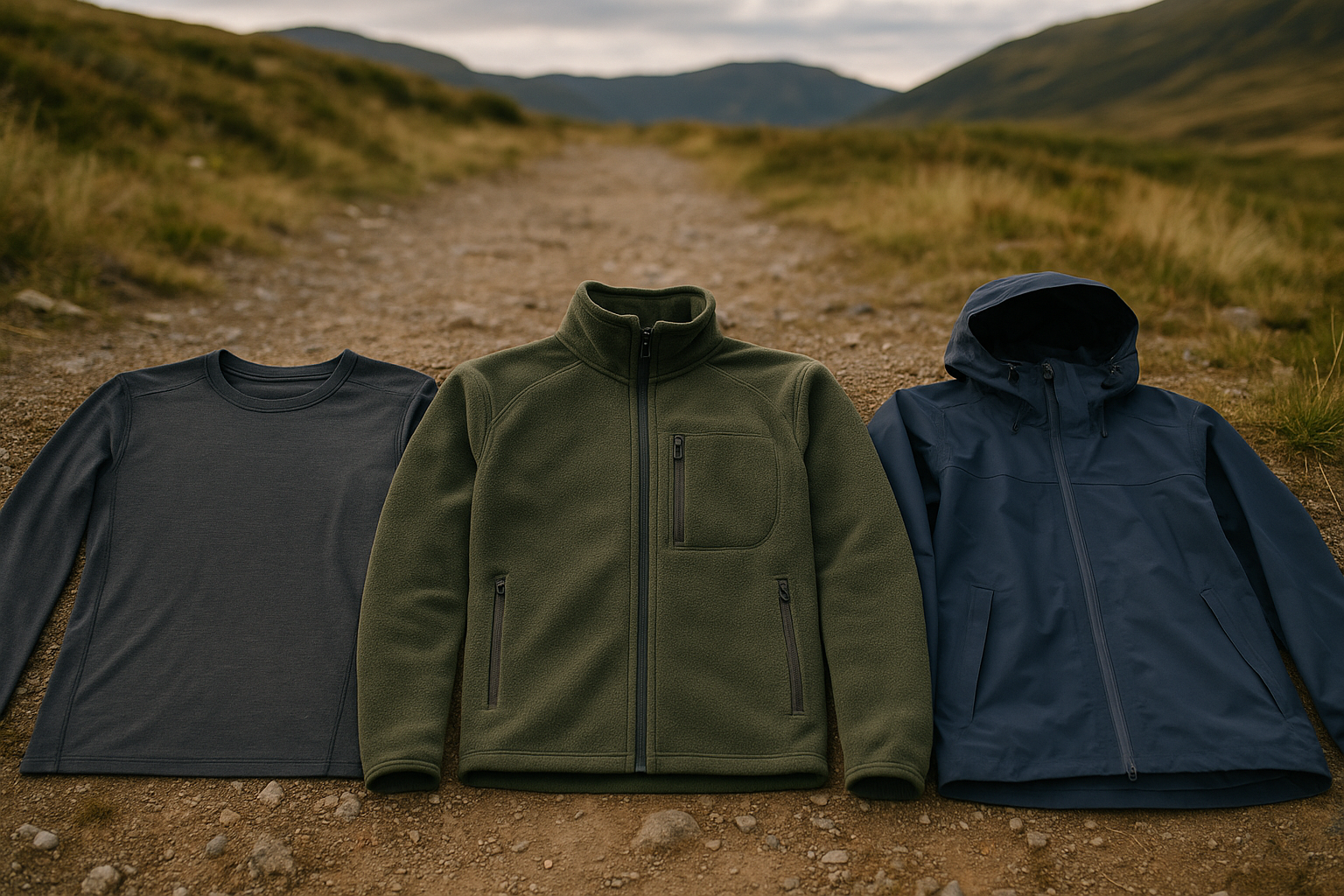
The three-layer system isn't just a trend. It's what keeps you comfortable regardless of Quebec weather's whims:
- Base layer: wicks sweat (merino wool or synthetic)
- Insulating layer: retains heat (fleece, down, or synthetic)
- Outer layer: protects from wind and rain (waterproof shell)
🎒 Your Backpack: Your Mobile Home
Choosing a backpack is like choosing a hiking partner: it needs to be comfortable, reliable, and you need to get along well! Capacity depends on your outings, but here are my tested recommendations:
| Type of outing | Capacity | Important features |
|---|---|---|
| Half-day | 15-25L | Lightweight, hydration pocket, organized compartments |
| Full day | 25-35L | Hip belt, compression straps |
| Multi-day hikes | 45-65L | Internal frame, multiple access, rain cover |
Smart Pack Organization
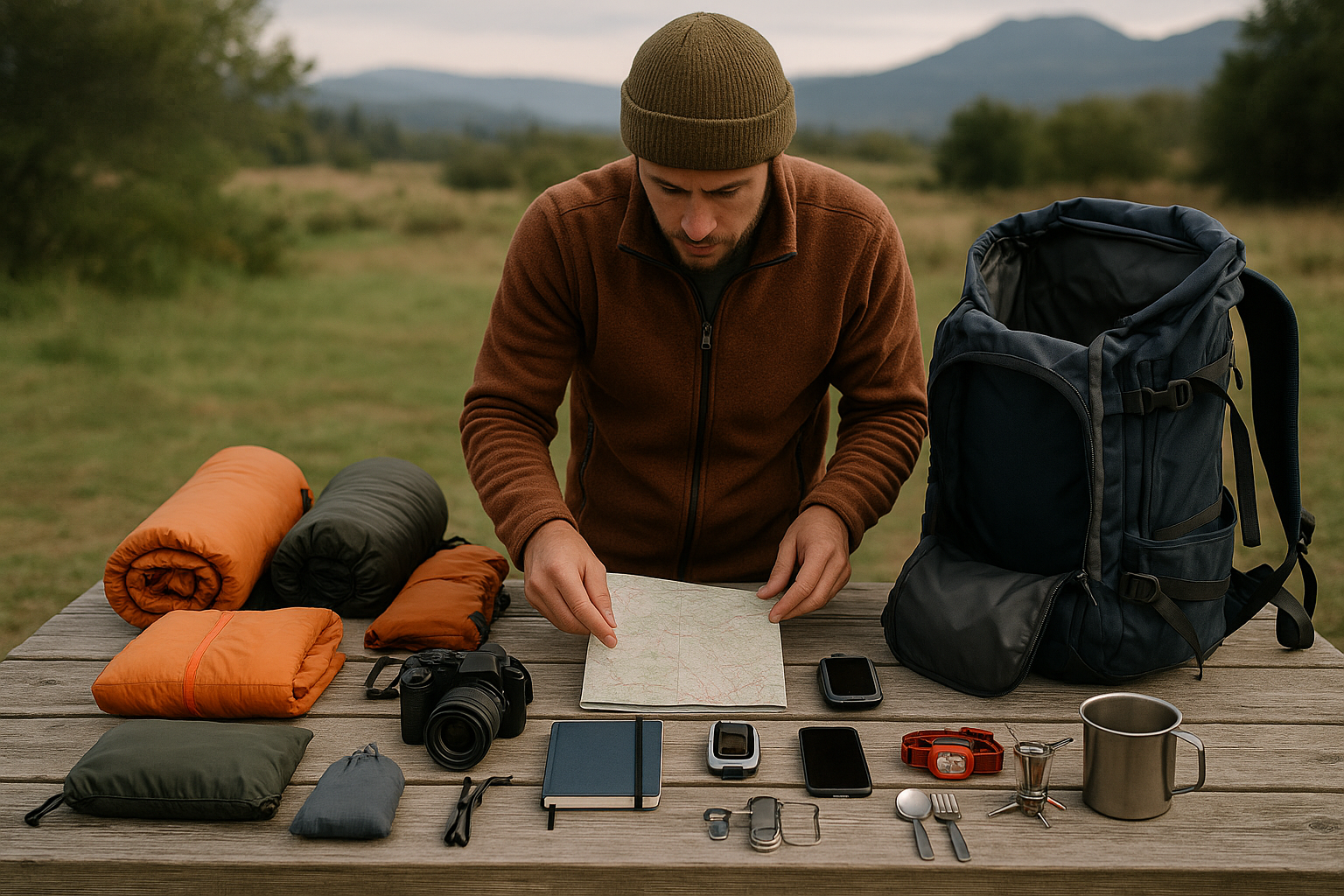
After years of playing Tetris with my gear, here's how I organize my pack to maximize comfort and efficiency:
- Bottom of pack: sleeping bag, spare clothes
- Center, close to back: heavy items (water, food, stove)
- Top and front: light and bulky items
- Side pockets: water, snacks, map
- Top pocket: first aid kit, headlamp, emergency items
💧 Hydration and Nutrition: Your Fuel
I once made the mistake of underestimating my water needs on a hot summer day at Canyon Sainte-Anne. Headache, cramps, dizziness... not fun at all! Since then, I calculate generously and adapt according to conditions.
Water Needs
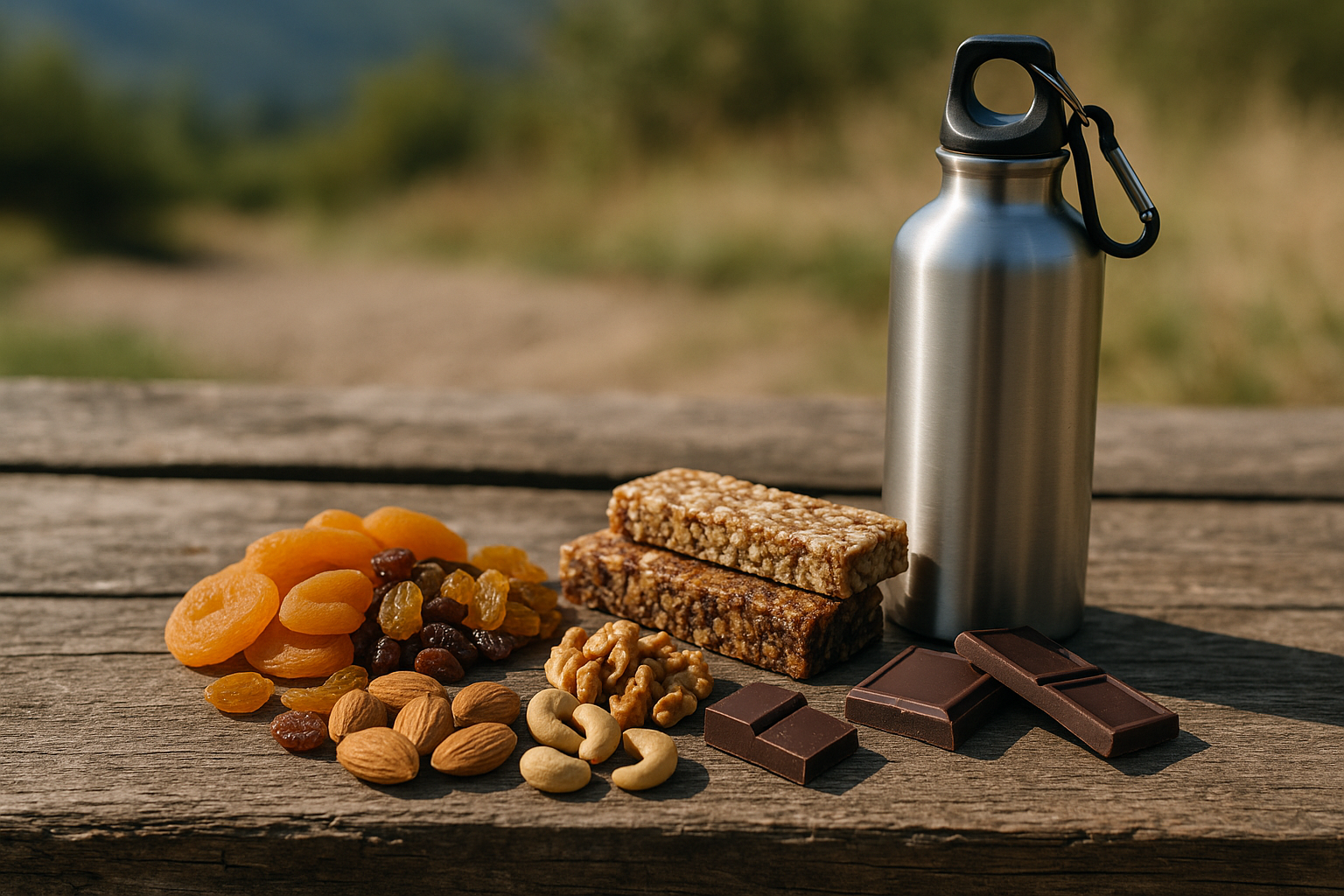
Basic rule: 500 ml per hour of moderate effort, plus 500 ml reserve. In hot weather or intense effort, increase to 750 ml per hour. Better to have too much than not enough!
- Rigid bottles: durable, easy to clean, keep water cool
- Hydration bladder: convenient for drinking without stopping, frees hands
- Purification tablets: essential if you plan to refill along the way
Food Strategy
Your body is like a wood stove: you need to feed the fire regularly. I eat something every 45-60 minutes, even if I'm not really hungry. It prevents brutal energy crashes.
🗺️ Navigation and Safety: To Avoid Getting Lost
Even on a marked trail like Parc National du Mont-Saint-Bruno, I always have my navigation tools. Why? Because signs fall, snow hides markers, and phone apps crash at the worst moment.
Navigation Essentials
- Topographic map: in a waterproof bag, with access route marked
- Compass: simple and reliable, learn to use it before leaving
- GPS or mobile app: with offline downloaded maps
- Power bank: to keep your phone alive
Personalized First Aid Kit
My kit has evolved with experience. It now contains exactly what I need, no more, no less:
- Various bandages: including special ones for blisters
- Pain relievers: ibuprofen and acetaminophen
- Disinfectant: wipes or solution
- Elastic bandage: for sprains
- Personal medications: according to your specific needs
- Emergency whistle: three repeated blasts is the universal distress signal
"The best equipment is what you know how to use. A sophisticated first aid kit is useless if you panic at the sight of a scratch."
🌡️ Protection Against the Elements
Quebec weather is as unpredictable as the Canadiens' results! I once experienced sun, rain, wind, and almost snow in the same day at Parc du Mont Arthabaska. Since then, I prepare for all scenarios.
Sun Protection
At altitude or on snow, UV rays hit hard. Harder than you think. I once got a serious sunburn in February on a winter hike!
- SPF 30+ sunscreen: water and sweat resistant
- Sunglasses: with UV protection, not just fashion
- Cap or hat: with neck protection if possible
- Lip balm with SPF: your lips burn too!
Rain and Wind Protection
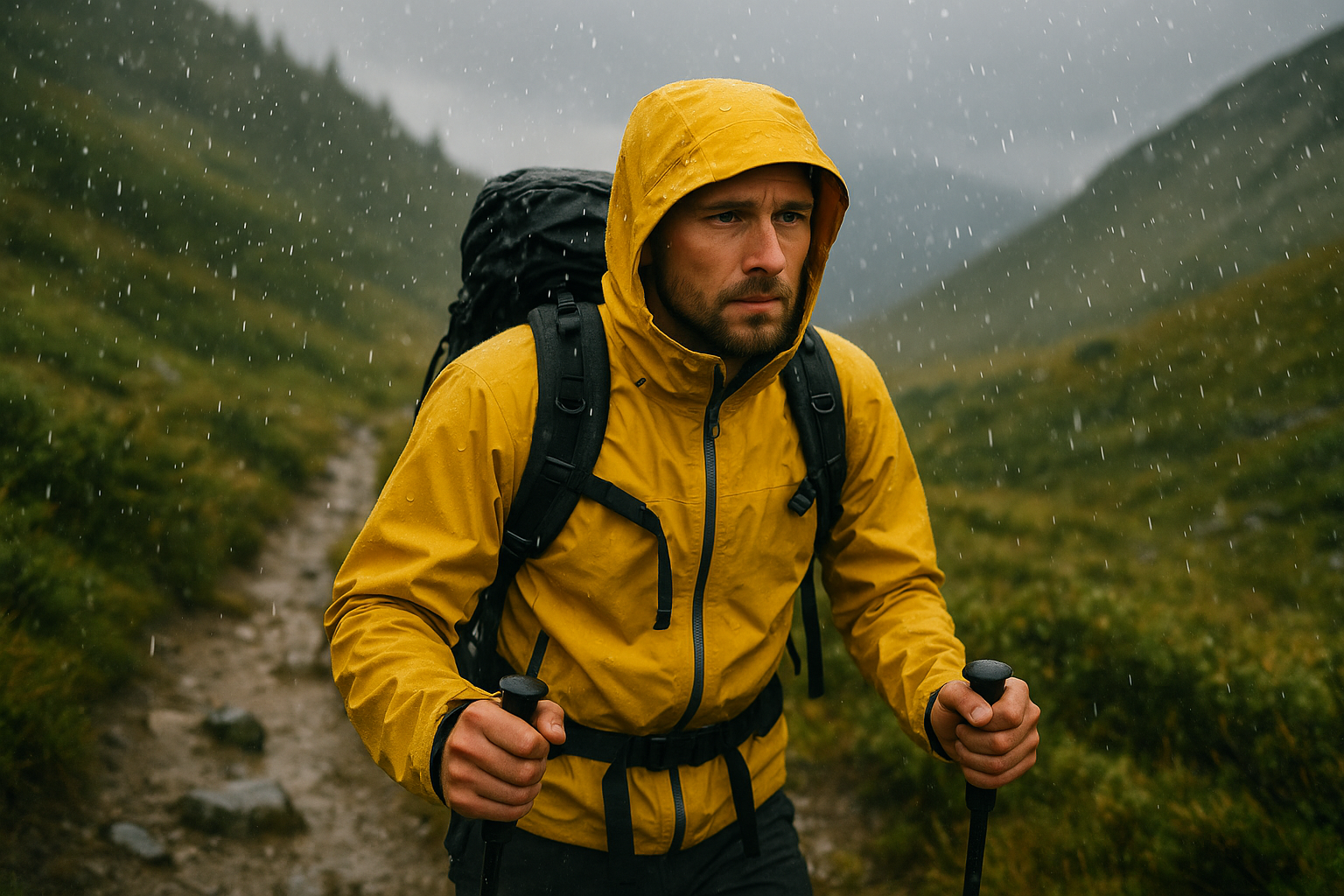
A good waterproof jacket is an investment that pays off with the first downpour. Look for something breathable - otherwise you'll cook in your own juices!
🔦 Lighting and Practical Tools
Even if you plan to return before dark, always carry a light source. I once had to finish a descent in darkness because we underestimated the climbing time. Without my headlamp, we would have spent the night in the forest!
Essential Lighting
- Headlamp: hands-free, indispensable
- Spare batteries: in a waterproof bag
- Backup flashlight: small and light, just in case
Multi-tool and Repairs
A good Swiss Army knife or multi-tool is like a reliable friend: always there when you need it. I add:
- Duct tape: wrapped around my trekking poles
- Some rubber bands: to secure things that move
- Paracord string: lightweight and ultra-resistant
🏕️ Gear According to Outing Type
You don't need the same arsenal for a walk at Parc du Mont-Royal as for a three-day expedition! Here's how I adapt my gear according to my plans.
Half-Day Hike
The essentials in a small pack. Perfect for testing new gear or introducing someone to hiking:
- 15-20L pack with 1L water and snacks
- Outer layer just in case
- Basic first aid kit
- Charged phone with navigation app
Full Day Hike
My standard setup for 90% of my outings. Tested over hundreds of kilometers:
| Category | Essential items | Approximate weight |
|---|---|---|
| Hydration/Nutrition | 2-3L water, meals + snacks | 2-3 kg |
| Clothing | 3-layer system, spare socks | 1-1.5 kg |
| Safety/Navigation | Map, compass, first aid kit | 0.5 kg |
| Tools | Headlamp, multi-tool, repairs | 0.3 kg |
Multi-Day Hike
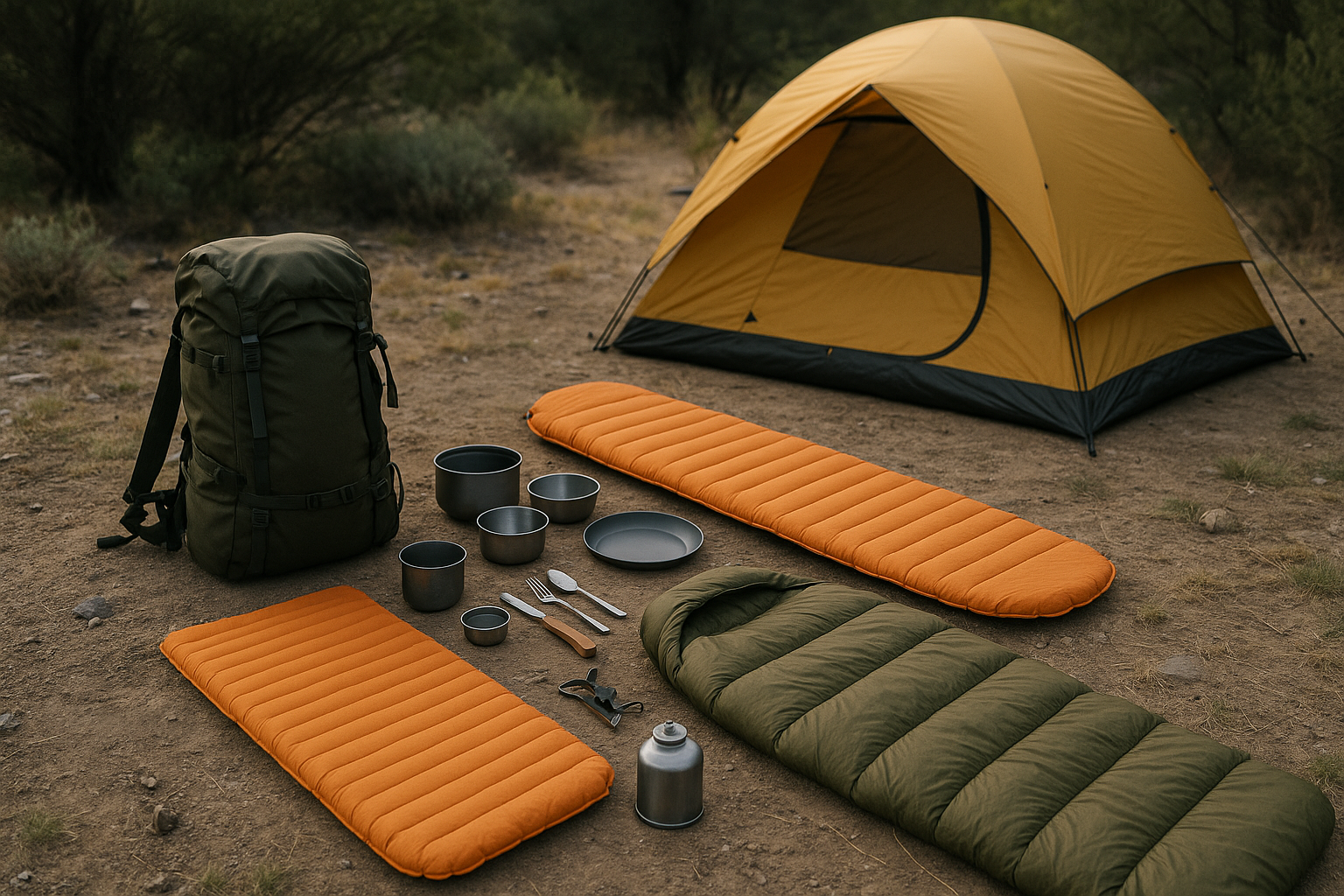
Now it gets serious! Add to your base list:
- Shelter: tent, tarp, or hammock depending on season
- Sleep system: sleeping bag and insulating pad
- Kitchen: stove, fuel, utensils
- Hygiene: biodegradable and minimal
- Spare clothes: according to duration
💰 Budget and Priorities: Smart Investment
When I started, I made the mistake of wanting to buy everything at once. Result: empty wallet and gear not always suited to my real needs. Here's how I'd approach it if starting from scratch.
Priority Investments (the "big 3")
These three elements have the most impact on your comfort and safety:
- Quality shoes ($150-300): your feet carry you all day
- Well-fitted backpack ($100-250): your back will thank you
- Breathable waterproof jacket ($200-400): reliable protection against elements
What You Can Save on Initially
No need to break the bank to start. These items can wait or be bought used:
- Technical clothing: start with what you have, upgrade gradually
- Camping gear: rent or borrow to test before buying
- Electronic gadgets: your phone works as GPS, camera, flashlight...
🌿 Maintenance and Durability Tips
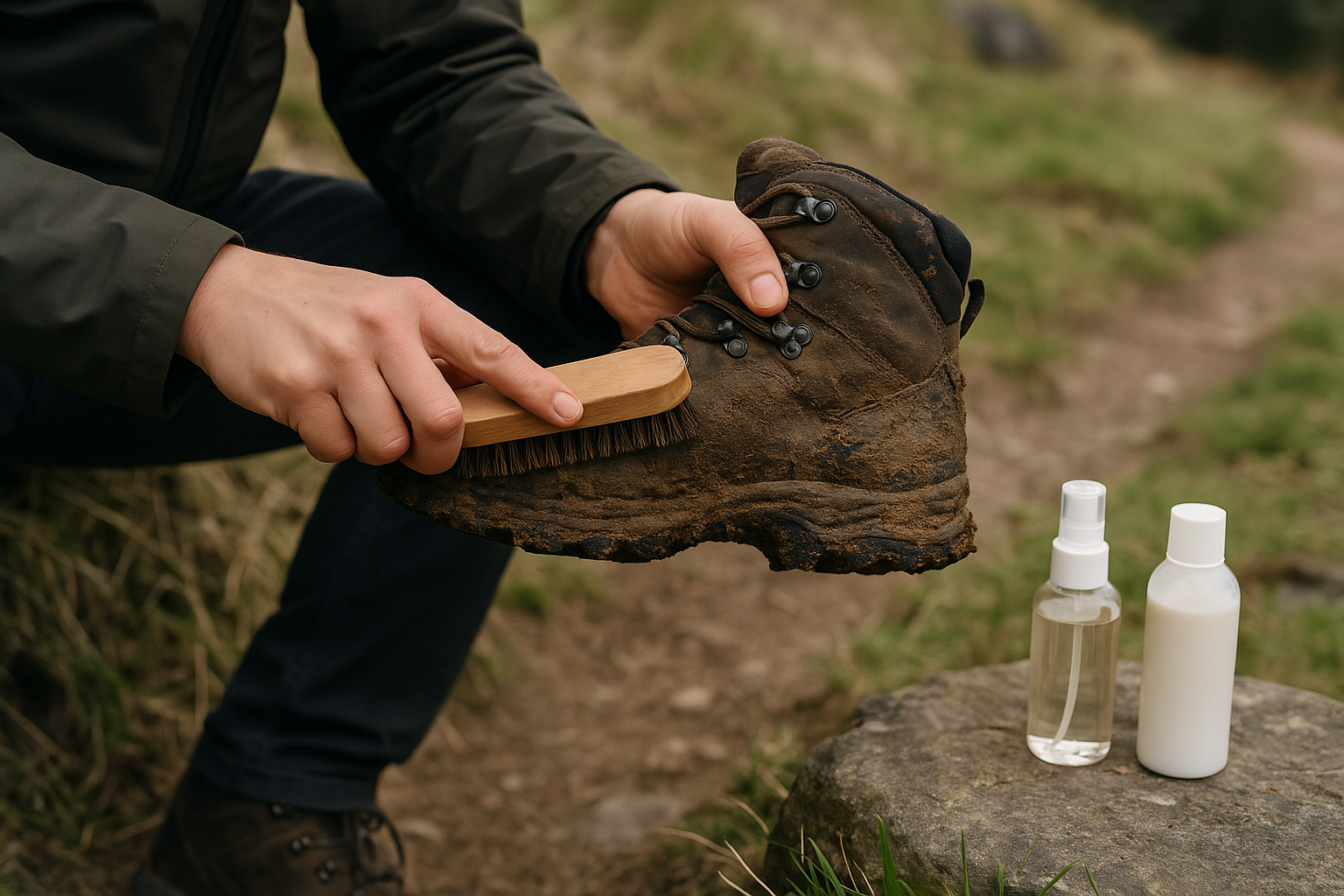
Good gear that's well-maintained can last decades. My main pack is 8 years old with thousands of kilometers on it. It's still like new because I take care of it.
Basic Maintenance
- Clean after each outing: remove mud, air out, dry completely
- Smart storage: dry place, away from rodents
- Regular checks: seams, zippers, wear
- Immediate repairs: a small hole quickly becomes a big problem
🚀 Your Next Outing Starts Now
Having the right gear is just the beginning of the adventure. What really matters is getting out and using it! Here are the key points to remember:
- Start simple: invest first in shoes, pack, and weather protection
- Test before going far: break in your gear on short outings near home
- Adapt according to your outings: a half-day doesn't require the same arsenal as an expedition
- Maintain your gear: good equipment well cared for lasts years
- Learn to use it: the world's best GPS is useless if you don't know how to use it
Perfect equipment is what makes you forget it's there. What allows you to focus on the essential: the pleasure of being outdoors, the beauty of landscapes, and that unique feeling of freedom you experience on the trail.
So what are you waiting for? Pack your bag, check our beginner's guide, and discover what our easy trails near Montreal have to offer. Adventure awaits, and now you have everything you need to enjoy it fully!

About the author
François Dumaine
Founder of Let's Go Play Outside
A passionate hiker, photographer and content creator, François has been hiking the trails of Quebec and Alberta since 2014. He founded Let's Go Play Outside to give you the information he wished he had before heading out.
Newsletter
Content that makes you want to go outside
Every week, a trail idea, a reflection on nature, or a tip worth the detour. Zero spam. Only the essentials.
Joined by 12,000+ outdoor enthusiasts
Read next