Do you remember your first night in a tent, when every little forest sound woke you up? For me, it was at Parc national des Hautes-Gorges, and I had planned so poorly that I ended up sleeping with my boots in my sleeping bag (spoiler: it stinks and it's uncomfortable). Planning your first multi-day hike is an art that you learn, and believe me, it's better to learn from others' mistakes than your own! After 15 years exploring Quebec's trails and guiding hundreds of beginners, I'm going to give you all the keys to make your first long hike memorable... for the right reasons.
Get my gifts →
🗓️ How many days for your first long hike?
The question everyone asks me: "François, how long should I go for my first time?" My answer might surprise you, but 2 to 3 days maximum. I know, I know, you're already dreaming of that grand 7-day trek, but let me explain why that's a bad idea.
In 2 days, you'll discover:
- If your pack is too heavy (spoiler: it probably is)
- If your boots hurt after 6 hours of walking
- If you sleep well in a tent (some people discover they're claustrophobic)
- If you brought enough food (or too much, like me the first time with my 12 cans of food)
For your first experience, I strongly recommend places like Mont Yamaska where you can do legal wild camping, or explore the trails of Parc du Mont Arthabaska which offer great options for beginners.
🎒 Essential gear (without breaking the bank)
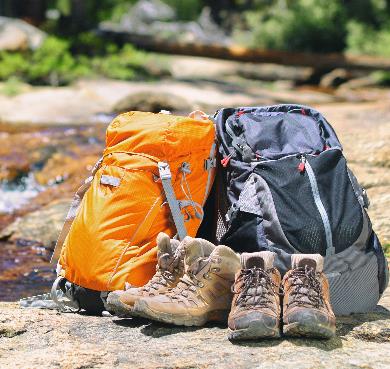
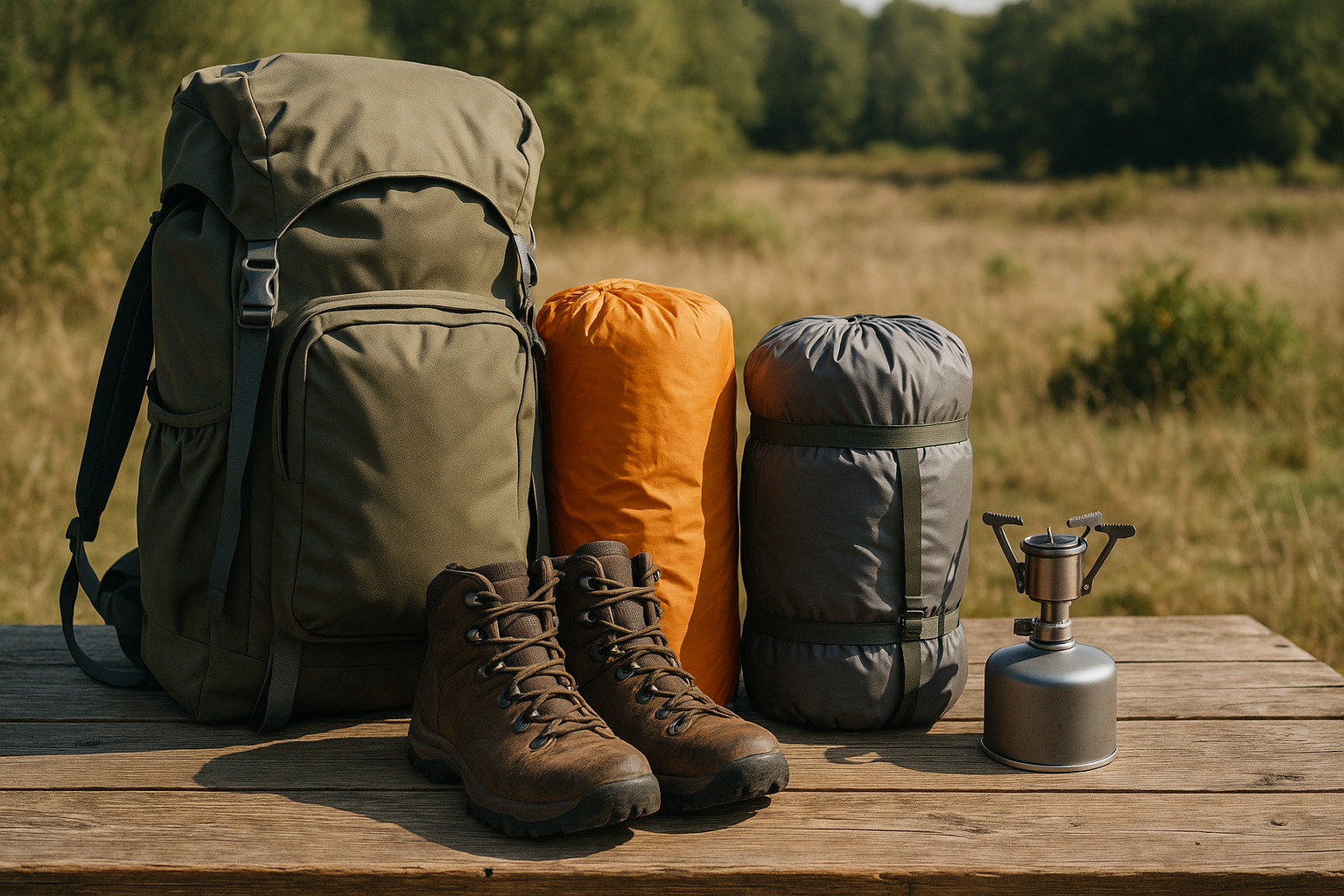
Ah, gear! The number one trap for beginners. I've seen people arrive with 80-liter packs for 2 days, and others with a school bag and a picnic blanket. The truth is, you don't need to buy everything new.
The absolute essentials
| Equipment | Beginner budget | Where to save |
|---|---|---|
| Backpack (40-50L) | $100-200 | Borrow or buy used |
| 3-season tent | $150-300 | Start with established camping |
| Sleeping bag | $80-150 | Check comfort temperature |
| Sleeping pad | $50-100 | Essential for good sleep |
| Stove and cookware | $60-120 | Start simple |
My favorite trick to save money? Borrow for your first outing. Ask your friends, check Facebook outdoor groups, visit specialized thrift stores. You'll have time to invest when you know what you really like.
To help you choose, I wrote a complete guide on the best hiking boots for beginners that could save you a lot of trouble.
🗺️ Choosing your first route (the 3 C rule)
After guiding hundreds of beginners, I developed my 3 C rule for choosing a first route: Close, Known, Cellular. It might seem boring, but it avoids a lot of trouble.
Close: Realistic distance
For a first multi-day hike, aim for maximum 15 km per day with a full pack. I know you easily do 20 km on day hikes, but with 15-20 kilos on your back, it's a completely different game.
"The mountain will still be there tomorrow. Better to finish your first hike with a smile than with blisters and never wanting to hit the trail again."
Known: Avoid terra incognita
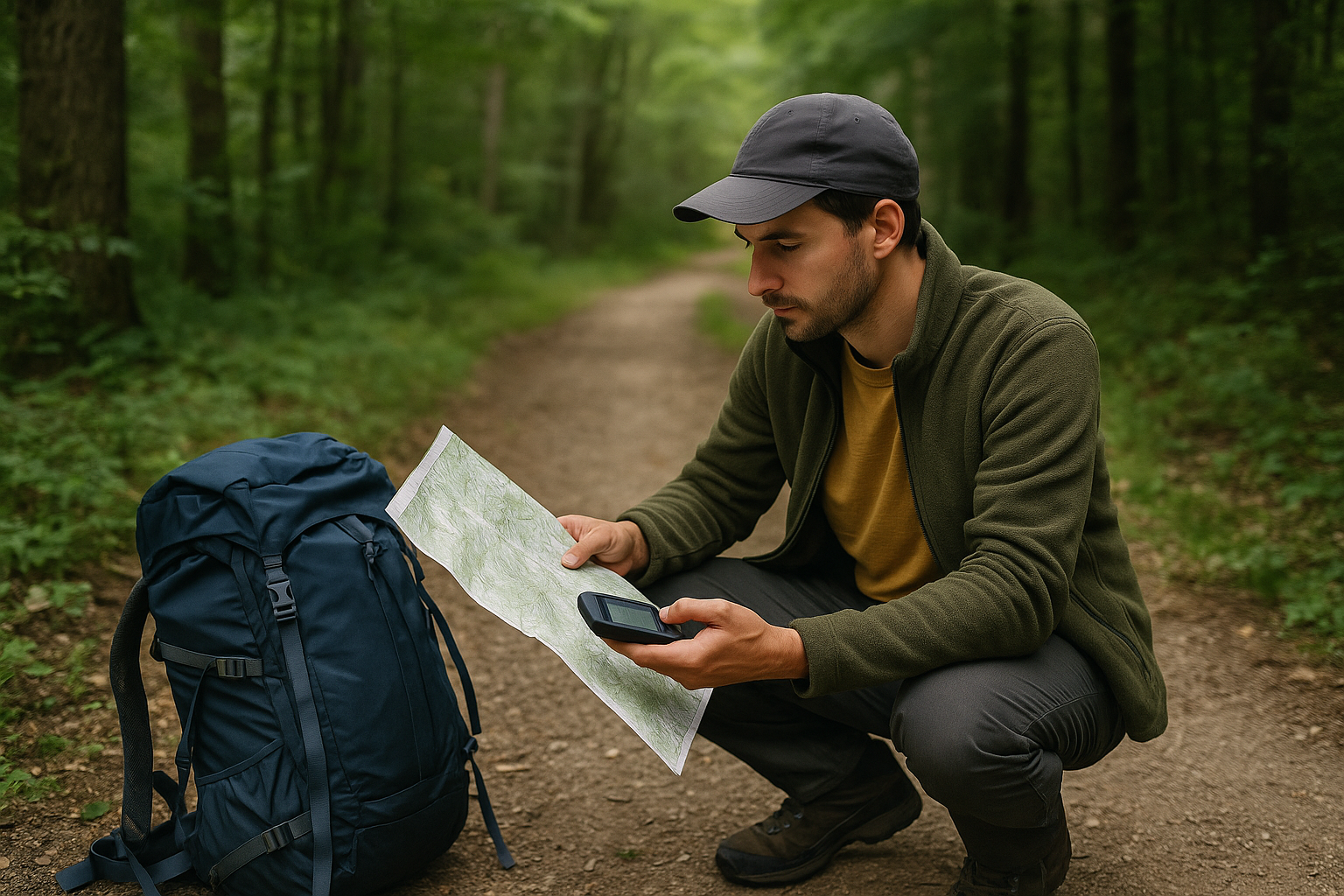
Choose a trail you already know, or at least a region you've explored. This isn't the time to play explorer. You want to focus on the camping experience and trail life, not navigating the unknown.
Some tested and approved suggestions for beginners:
- The trails of Mont du Lac des Cygnes for a wilder experience
- The loops around Parc national du Mont-Saint-Bruno to stay close to civilization
Cellular: Keep an exit door
For your first time, choose a place where you have cell signal, at least occasionally. It's not cheating, it's prudence. You'll have plenty of time to go survival mode in the Far North later.
🍝 Trail food: fueling your engine
Food is the fuel for your hike, but it's also often where beginners make the biggest mistakes. My first time, I brought a steak and potatoes... which I had to throw away on the second day because it had gone bad. Lesson learned!
Golden rules of trail nutrition
Count on 3000-4000 calories per day. Yes, it's much more than at home, but you'll burn an impressive amount of energy. Better too much than not enough - you can always bring back surplus, but you can't create food from nothing.
My magic formula for 2 days:
- Breakfast: Instant oatmeal + nuts + dried fruit + coffee/tea
- Lunch: Wraps with peanut butter, hard cheese, dry sausage
- Snacks: Energy bars, trail mix, dried fruit
- Dinner: Freeze-dried meals or pasta + sauce packets + tuna
For water, count on 3-4 liters per day minimum, more if it's hot. Invest in a good filtration system or bring purification tablets. Stream water looks pure, but it can give you gastro that will ruin your trip (and your tent mates').
🌙 Sleeping in nature: your first starry nights
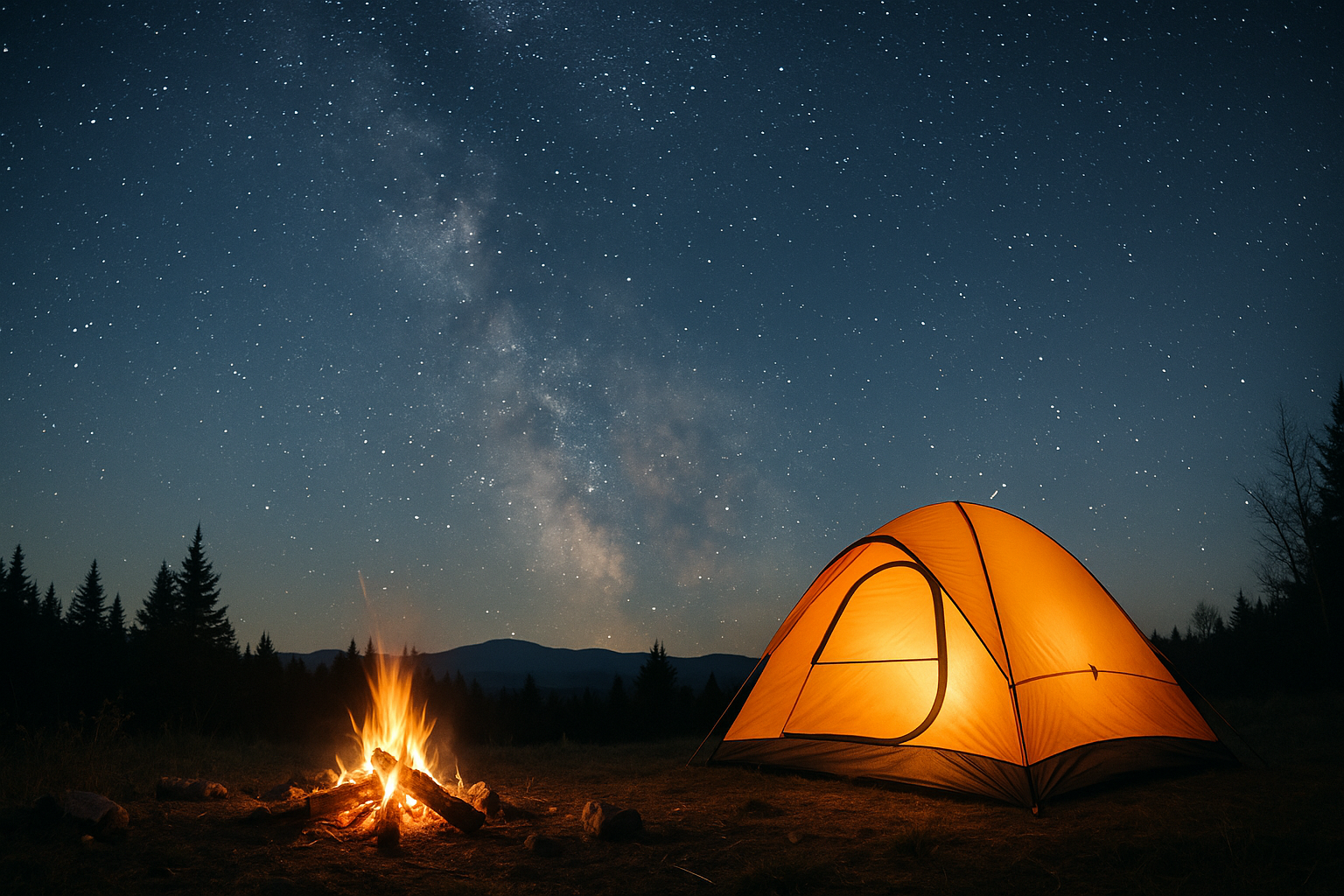
Ah, the first night in a tent! A mix of excitement and apprehension. I still remember my first time: I barely slept a wink, convinced a bear was going to tear through my tent (spoiler: it never happened in 15 years).
Choosing your camping spot
The basic rule: flat, dry, and sheltered from wind. Avoid hollows where water can accumulate, overly exposed summits, and areas under dead trees (we call them "widow makers" for a reason).
| ✅ Good spot | ❌ Bad spot | Why |
|---|---|---|
| Flat, firm ground | Depression or slope | Rainwater accumulation |
| Sheltered from wind | Exposed summit | Strong wind + nighttime cold |
| Away from animal trails | Near water source | Nocturnal animal traffic |
| Well-drained soil | Under dead trees | Risk of falling branches |
Little tricks for sleeping well
The secret to a good night is often in the details. Change clothes before going to bed - dry, clean clothes make all the difference. Keep a small snack and water near your head, you'll probably get hungry or thirsty during the night.
And if you have trouble falling asleep with all the forest sounds, that's normal! Bring earplugs for the first few times. You'll gradually get used to the nocturnal symphony.
🚨 Beginner mistakes to absolutely avoid
After 15 years of seeing beginners make the same mistakes, I've compiled my list of "classics." If you avoid these traps, you're already in the top 20% of well-prepared hikers!
Mistake #1: The too-heavy pack
Golden rule: maximum 20% of your body weight. If you weigh 70 kilos, your pack shouldn't exceed 14 kilos. I know it seems little, but after 8 hours of walking, every kilo counts double.
My trick to lighten: make your equipment pile and ask yourself for each item "Am I REALLY going to die without this?" You'll be surprised to see everything you can leave at home.
Mistake #2: Ignoring the weather
Check the weather until the last minute, and prepare for the worst-case scenario. I've seen too many people get caught by surprise rain with just a light sweatshirt. Always bring one more layer than you think you need.
Mistake #3: Going alone for your first time
I'm a big fan of solo hiking, but not for your first long hike. Find yourself a buddy, ideally someone with a bit of experience. It's safer, more fun, and you'll learn much faster.
To avoid other classic mistakes, I strongly suggest reading my guide on the 10 beginner mistakes in hiking.
📋 Your departure checklist (to print!)
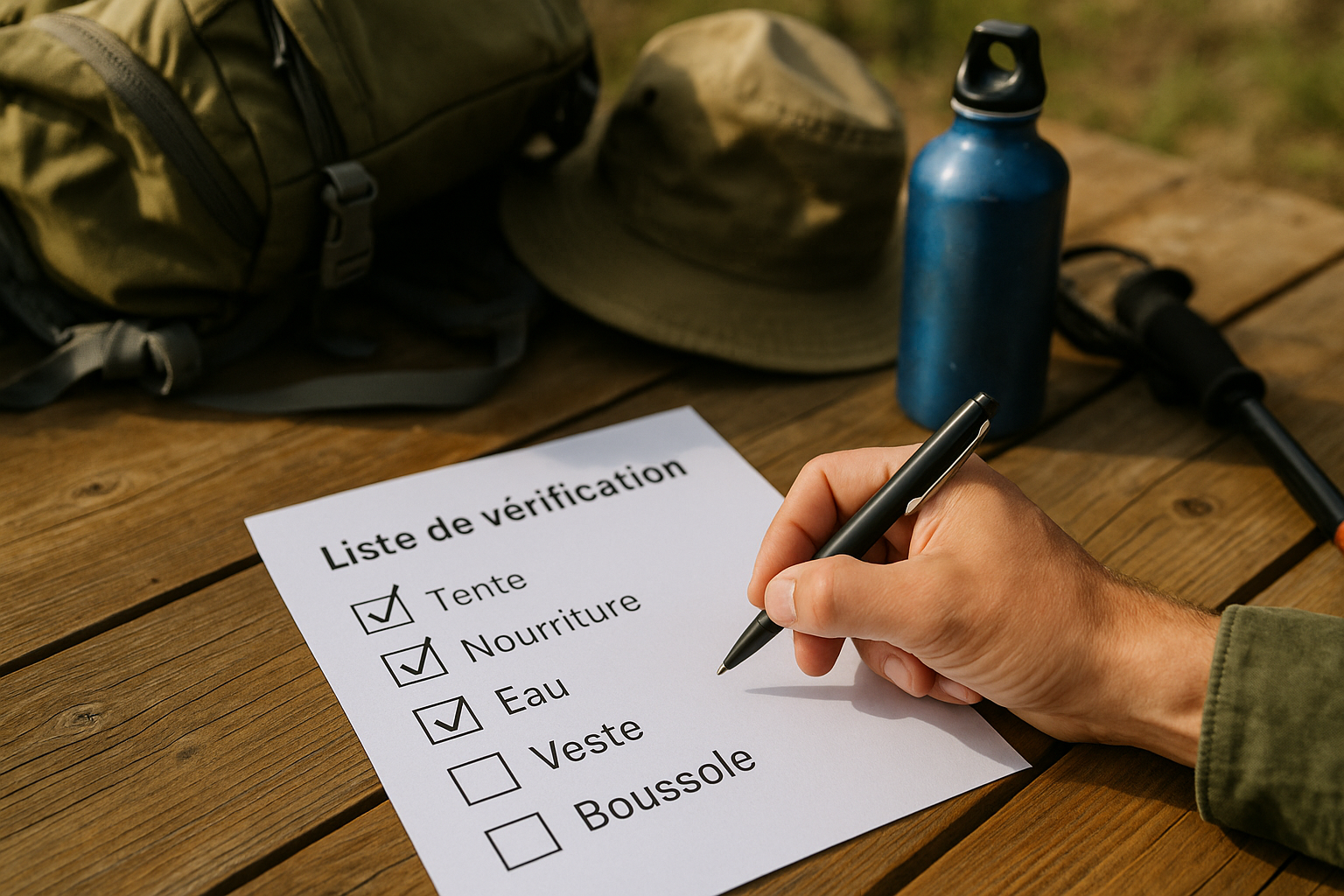
Nothing worse than realizing you forgot something important once you're at the parking lot. Here's my proven checklist, the one I still use after all these years:
The day before departure
- Check the weather one last time
- Charge all your electronic devices
- Prepare your food and pack it in your bag
- Test your equipment (stove, headlamp, etc.)
- Inform someone of your itinerary and expected return time
Morning of departure
- Hearty breakfast (you never know when your next real meal will be)
- Fill your water bottles
- Check that you have your ID
- Take a photo of your equipment (useful for insurance if you lose something)
- Do a final weather check
Don't forget to also check the essential questions to ask yourself before leaving for even more complete preparation.
🎯 Go for it, the mountain awaits!
There you have it, you now have all the keys to plan your first multi-day hike. Let's recap the essential points:
- Start small: 2-3 days maximum for your first experience
- Gear up intelligently: borrow first, buy later based on your real needs
- Apply the 3 C rule: Close, Known, Cellular for your first route
- Plan your food: 3000-4000 calories per day, test everything at home first
- Prepare to sleep well: choose your spot carefully and keep food away from your tent
My final recommendation? Don't wait to have perfect gear or ideal conditions. I've met too many people who have been planning their first hike for years without ever doing it. The best hike is the one you do, not the one you plan.
So choose a weekend, find yourself a buddy, and go for it! Quebec's mountains are full of perfect places to start. Maybe begin by exploring easy trails around Montreal to get your feet wet.
And above all, never forget why you're doing this: for the pleasure of discovering, pushing yourself, and living magical moments in nature. Your first multi-day hike will mark you for life - might as well be for the right reasons!
Happy trails, and don't hesitate to share your experience on our social media. I love seeing the smiles of people coming back from their first adventure!

About the author
François Dumaine
Founder of Let's Go Play Outside
A passionate hiker, photographer and content creator, François has been hiking the trails of Quebec and Alberta since 2014. He founded Let's Go Play Outside to give you the information he wished he had before heading out.
Newsletter
Content that makes you want to go outside
Every week, a trail idea, a reflection on nature, or a tip worth the detour. Zero spam. Only the essentials.
Joined by 12,000+ outdoor enthusiasts
Read next