
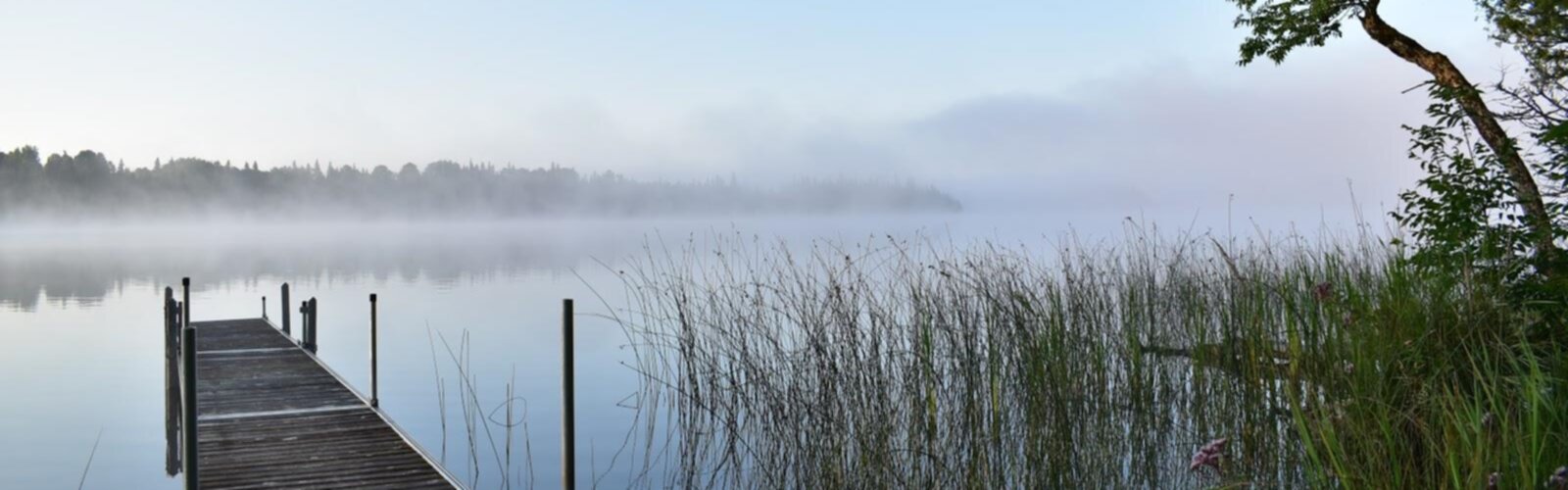

Ready to explore Forêt d'enseignement et de recherche du Lac Duparquet? Here's everything you need to know before you go!
Discover the trail
Trail description
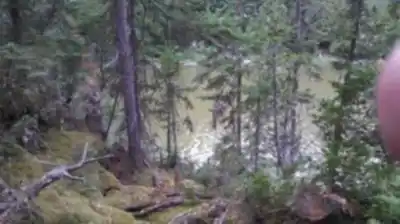
Forêt D'enseignement Et De Recherche Du Lac Duparquet is a quiet, lesser-known place to hike in Abitibi-Témiscamingue, set near the shores of Lac Duparquet. It’s the kind of forest where the main draw is simply being out in a big, living landscape—walking under green canopy, listening for birds, and spending a few hours (or a full day) moving through ecosystems that feel distinctly northern Quebec.
Because it’s a teaching and research forest, your time here can be more than just a walk in the woods. You’ll also get a look at a landscape that’s actively used as a “living lab,” where people study sustainable forestry practices and biodiversity conservation. That educational focus is part of what makes this spot stand out compared to many other hiking areas: you’re not only passing through nature, you’re also getting small windows into how it’s studied and cared for.
Where you are and what it feels like
The forest sits in Abitibi-Témiscamingue near Lac Duparquet, and the setting shapes the whole experience. Expect a classic boreal feel—dense greenery, a mix of forest textures as you move along, and the steady calm you get away from busier trail networks. The area is described as a hidden gem, and that tracks with what many visitors are looking for here: a sense of space and tranquility rather than a big “destination” vibe.
As you hike, you’re moving through diverse ecosystems, which means the scenery can subtly change from section to section. Even without major elevation, that variety keeps the walk interesting: different plant communities, shifting light under the canopy, and the feeling that you’re seeing more than one type of forest environment in a single outing.
Trail network and hiking experience
The trails in Forêt D'enseignement Et De Recherche Du Lac Duparquet are described as meticulously maintained, with safe and accessible paths for all levels of hikers. In practical terms, that usually means you can plan a visit without expecting rough route-finding or a lot of obstacles underfoot. It also makes this a good choice if you’re newer to hiking, returning to the trail after some time away, or bringing along a mixed-ability group that wants a straightforward day outside.
If you’re aiming to cover ground, the overall distance listed for the trail network is 26.5 km, with about 100 m of elevation gain and an easy rating. That combination suggests a route where the challenge is more about how far you choose to walk rather than steep climbing or technical terrain. You can keep things mellow by choosing shorter sections, or make it a longer day by linking trail segments together and taking your time with stops.
Even on an easy trail system, it’s worth planning for a full forest outing: steady walking, periodic pauses to read signage, and time spent scanning the woods for wildlife. The pace here tends to be naturally slower—in a good way—because there’s so much to notice once you start looking.
Nature watching: plants, birds, and bigger wildlife
This forest is known for the variety of flora and fauna that are unique to the region. The best approach is to treat it like a wildlife walk as much as a hike: keep your eyes moving, listen for rustling in brush, and watch the edges of the trail where animals often appear briefly before slipping back into cover.
Wildlife you may encounter includes moose, beavers, and a wide array of bird species. If you’re hoping to spot larger animals like moose, quieter moments are your friend—slower steps, less conversation, and stopping now and then to listen. For beavers, pay attention to wet areas and waterways where you might notice signs of activity. Birding can be rewarding throughout the hike; you’ll often hear birds before you see them, especially in denser sections of forest.
What makes it different: education built into the hike
One of the biggest highlights here is the forest’s commitment to environmental education. It functions as a living laboratory where researchers focus on sustainable forestry practices and biodiversity conservation. That means the trails aren’t just corridors through the trees—parts of the experience are designed to help you understand what you’re looking at and why it matters.
You can learn about these initiatives through informative signage along the trails, which is especially useful if you like having context as you walk. Instead of guessing what kind of habitat you’re moving through or how the forest is managed, you’ll get straightforward explanations as you go.
If you want a deeper dive, there are also guided tours led by knowledgeable staff. A guided visit can be a great fit if you’re curious about forest management, want help spotting details you’d otherwise miss, or you’re visiting with kids or a group that enjoys learning alongside the hike.
Adding on Lac Duparquet: water time after your hike
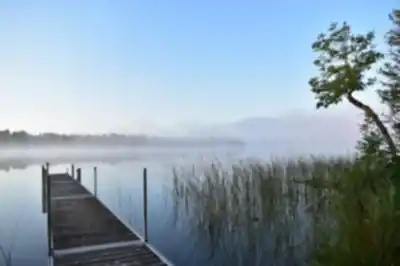
Because the forest is located near Lac Duparquet, it’s easy to plan a day that combines hiking with time by the water. After you’ve been on the trails, the lake gives you a natural place to shift gears—whether that means staying active or simply taking a slower break.
- Canoeing: A good option if you want to keep exploring from a different perspective and extend your time outdoors.
- Fishing: A relaxing way to wind down after hiking, especially if you’re looking for a quiet lakeside activity.
- Picnicking by the water’s edge: An easy, low-effort add-on that pairs well with a longer hike or a guided tour.
That lake access also makes the area feel like more than a single-purpose trail system. You can structure your visit around your energy level: hike first and finish at the water, or start with a lakeside break and then head into the forest refreshed.
Planning your time on the trails
With an easy rating and a trail distance of 26.5 km available in the area, it helps to decide ahead of time what kind of outing you want. Some visitors come specifically to reconnect with nature in a calm setting, keeping the walk shorter and unhurried. Others treat it as a longer exploration—walking for hours, reading signage, and making the most of the maintained paths.
Because the trails are described as safe and accessible for all levels, this is also a flexible place to visit with a range of experience levels. You can focus on a relaxed pace, take breaks when something catches your interest, and still feel like you’re getting a full forest experience.
What to bring for a comfortable visit
This is a forest environment, so typical trail basics apply. The original description highlights simple preparedness—“pack your hiking boots” and bring curiosity—and that’s good advice here. Comfortable footwear matters even on easy trails, especially if you plan to cover more distance or spend time stopping and starting while watching wildlife or reading signs.
If you’re planning to participate in a guided tour, it’s worth being ready for a slightly slower, stop-and-go pace. If you’re heading to Lac Duparquet afterward for canoeing, fishing, or a picnic, consider packing what you need so your day flows smoothly from trail time to lake time without having to rush.
The Essential Hiking Checklist
Everything you need for your next hike. Bilingual, printable, 1 page.
Get your free hiking checklistRecommended gear for this trail
As an Amazon Associate I earn from qualifying purchases.


Ready to go?
Everything you need to know before you goStarting Point
To access the hiking trails, head to the main trailhead located at 635 Chemin du Lac Duparquet, Duparquet, QC J0Z 1W0. This is the primary entry point for visitors. There are no additional trailheads for this location.
When?
How much?
As an Amazon Associate I earn from qualifying purchases.
Affiliate links — LGPO may earn a commission at no extra cost to you.
- Hiking shoes Essential
- → Salomon Elixir Tour Mid WP · 203.38 $
- Layered clothing Essential
- Rain jacket Essential
- Trekking poles
- → Black Diamond Trail Ergo Cork · 69.99 $
- Headlamp
- → Petzl Actik Core 625 · 103.95 $
FAQ - Frequently asked questions
Everything you need to knowSimilar hikes nearby
Discover other trails you might enjoy

Pointe-aux-Roches
Abitibi-Témiscamingue

Parc national d'Aiguebelle
Abitibi-Témiscamingue

La Bannik
Abitibi-Témiscamingue

Sentiers pédestres Opasatica
Abitibi-Témiscamingue

Récré-eau des quinze
Abitibi-Témiscamingue

Sentier Pédestre Grande Chute
Abitibi-Témiscamingue
Hiking near Gatineau
48 trails to explore ~438 km away
We work hard to provide the most up-to-date and error-free data possible. If something seems incorrect, let us know! Your contribution helps the whole community.
Hikers' opinions
Be the first to review!
No hiker has shared their experience yet. Share your impressions and help other hikers!