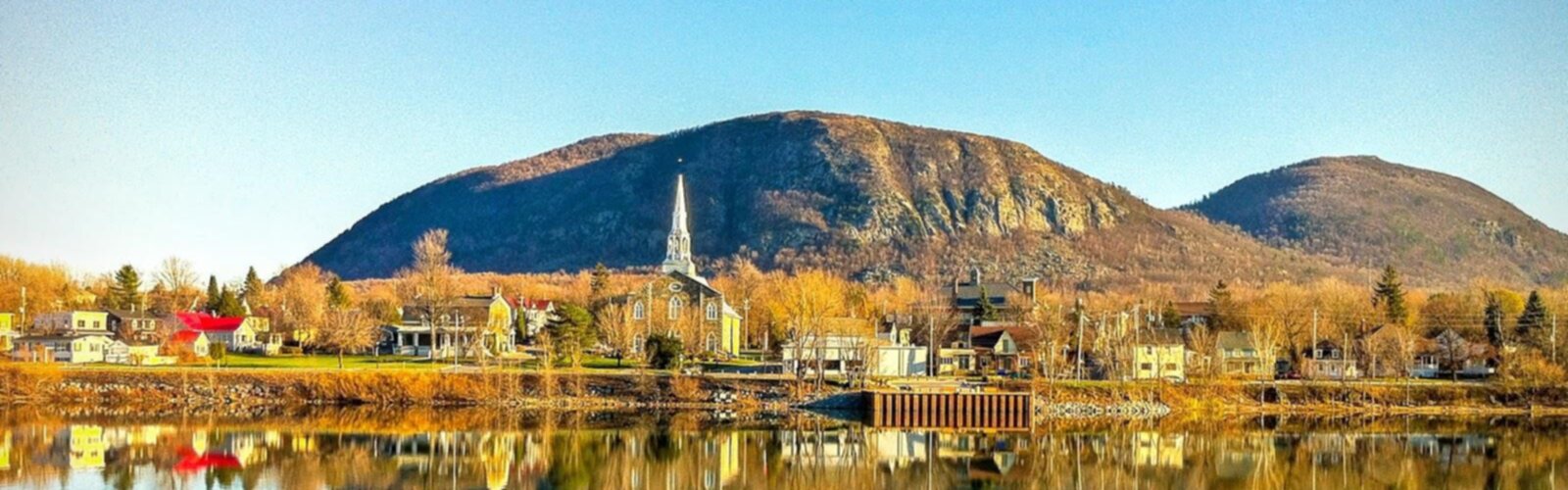
Nestled in the heart of northwestern Quebec, Abitibi-Témiscamingue stands as one of Canada's most pristine wilderness destinations, offering adventurers an authentic escape into vast boreal forests, pristine lakes, and rugged Canadian Shield landscapes. This remote region beckons outdoor enthusiasts with its untamed beauty and endless opportunities for exploration.
Why Hike in Abitibi-Témiscamingue
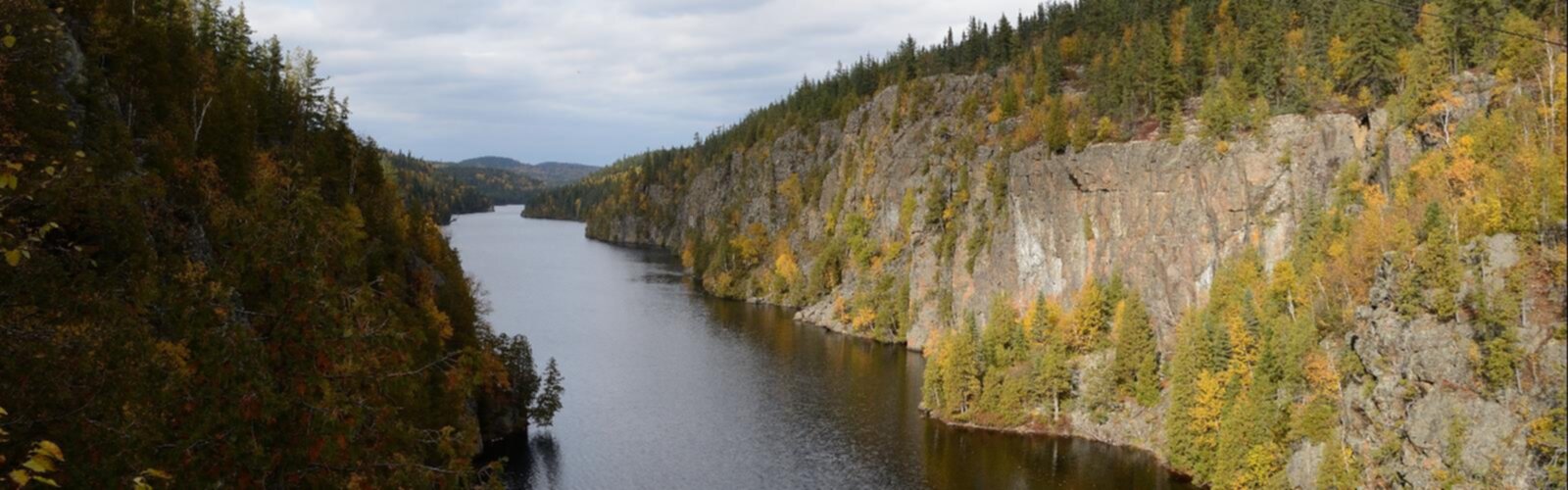
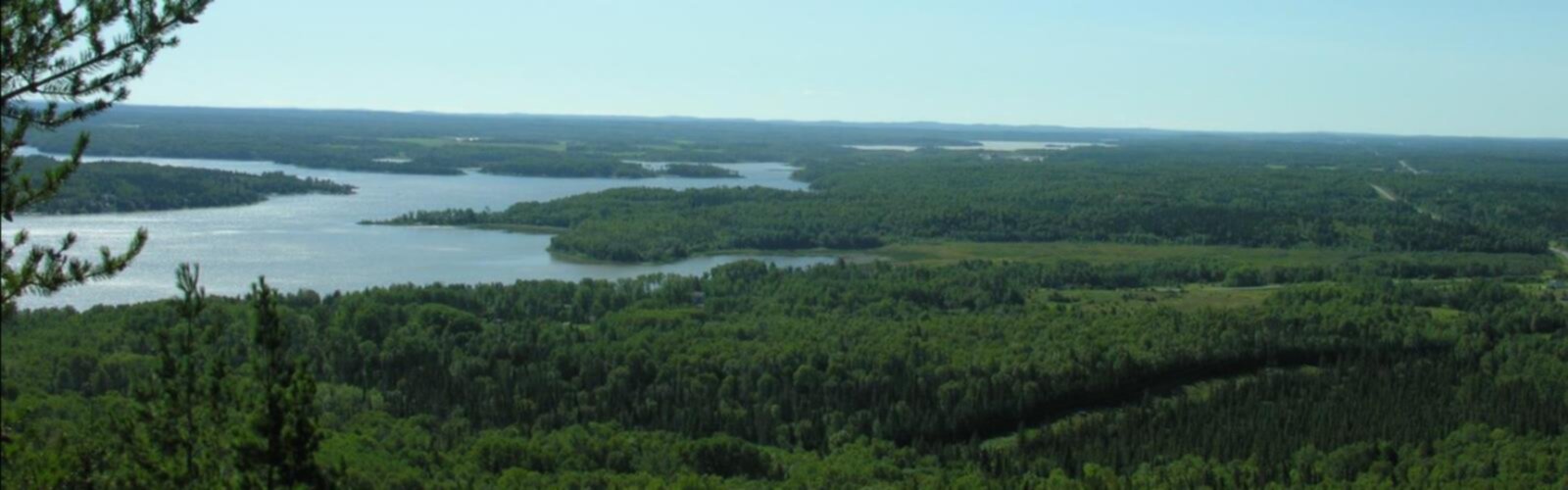
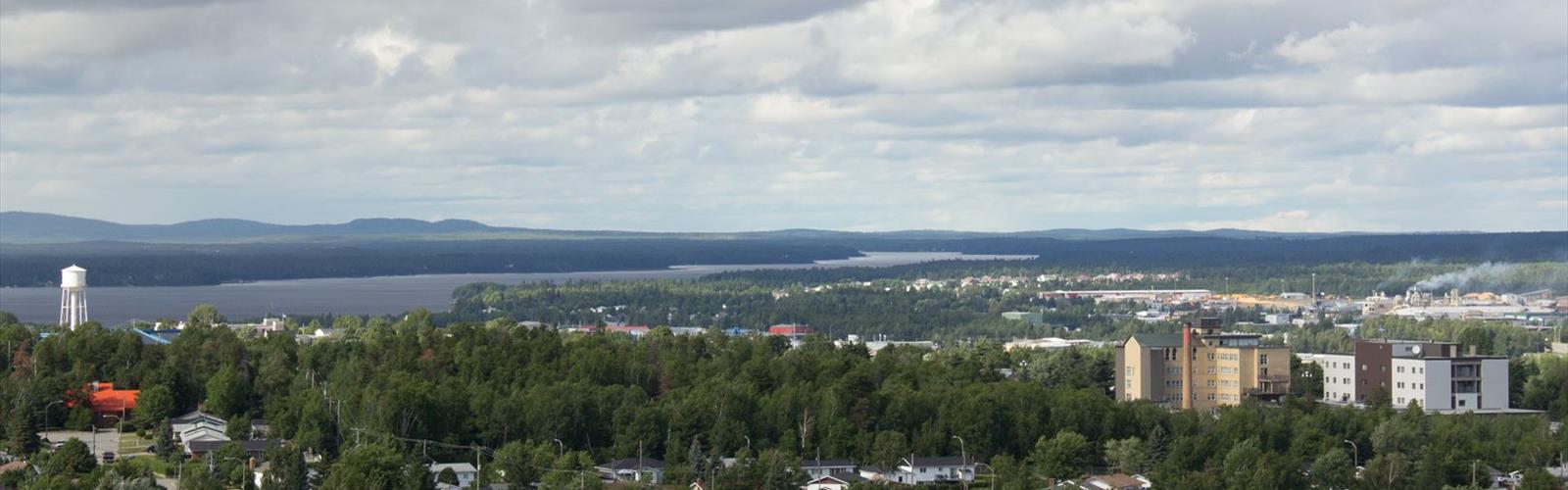
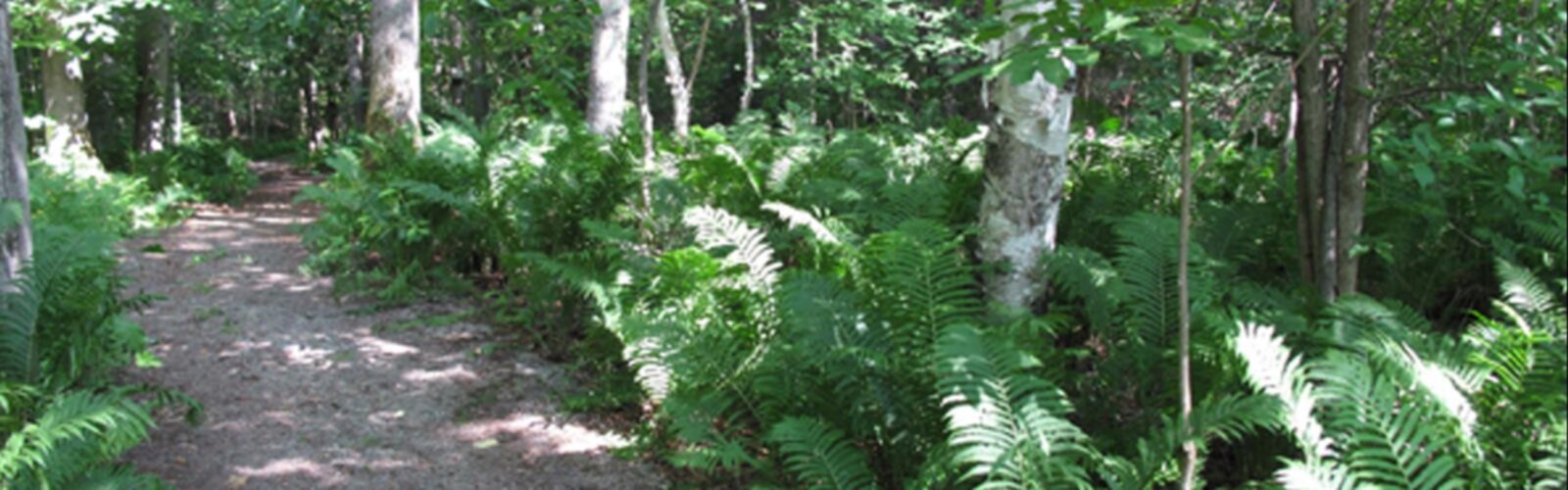
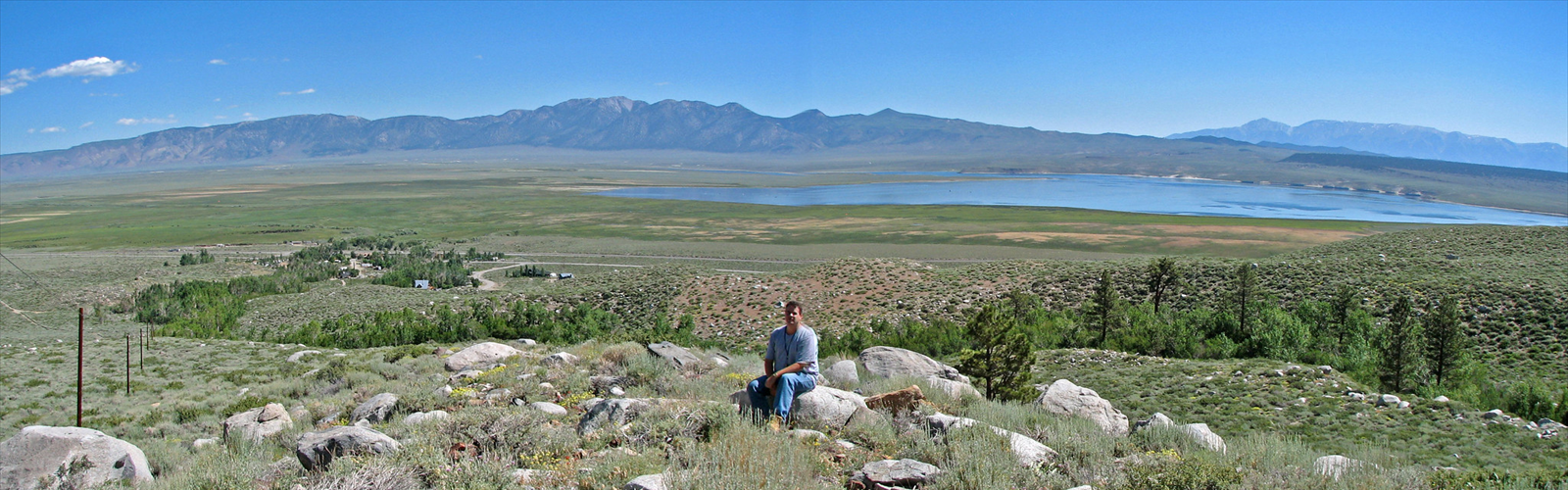
Abitibi-Témiscamingue hiking trails showcase the raw magnificence of Quebec's northern wilderness. The region's diverse topography spans across the Canadian Shield's ancient rock formations, creating dramatic vistas of rolling hills, deep valleys, and countless sparkling lakes. Dense boreal forests dominated by spruce, fir, and birch trees provide habitat for an impressive array of wildlife, including moose, black bears, lynx, and over 200 bird species.
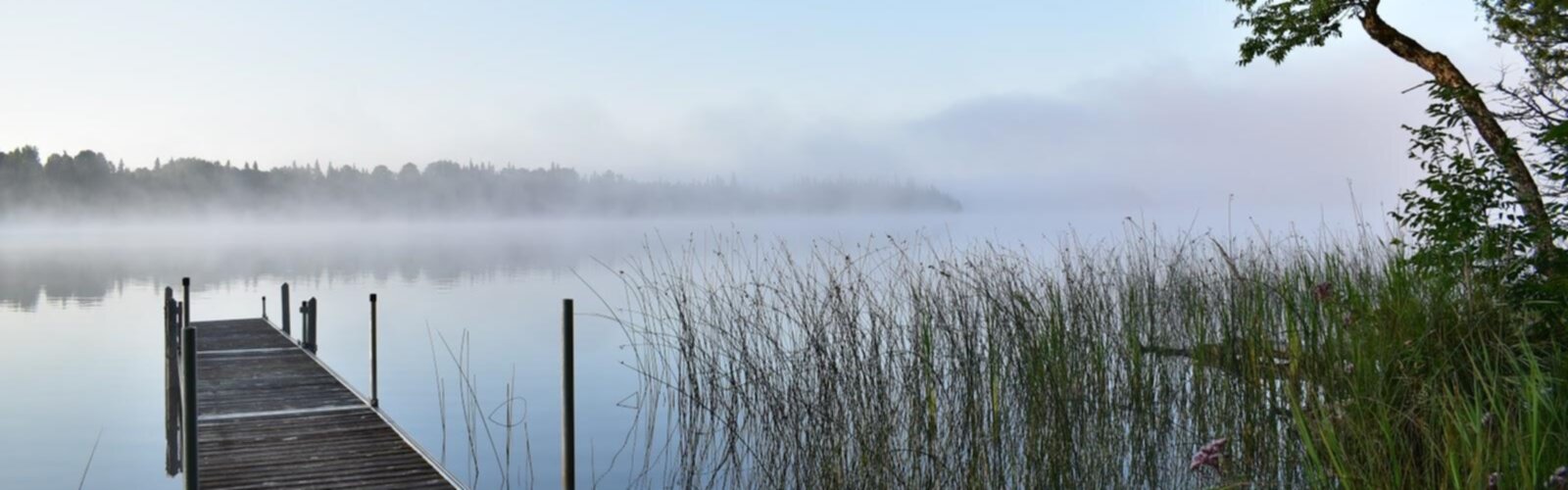
The area's geological heritage tells a fascinating story millions of years in the making, with exposed Precambrian rock formations and mineral-rich landscapes that have shaped both the terrain and local culture. Crystal-clear lakes and meandering rivers add a refreshing element to any hiking adventure, offering perfect spots for rest and reflection.
Essential Outdoor Activities
Beyond traditional hiking, Abitibi-Témiscamingue plein air activities encompass a full spectrum of wilderness adventures. The region's extensive network of lakes makes it a premier destination for canoeing and kayaking, with multi-day paddling routes connecting remote waterways. Fishing enthusiasts will find excellent opportunities for walleye, northern pike, and lake trout in the pristine waters.
During winter months, the landscape transforms into a snowy paradise perfect for snowshoeing, cross-country skiing, and winter camping. The region's clear, dark skies also provide exceptional stargazing opportunities, with minimal light pollution revealing the full splendor of the northern night sky.
Difficulty Levels for Every Adventurer
Abitibi-Témiscamingue sentiers accommodate hikers of all experience levels, from gentle nature walks suitable for families to challenging backcountry routes that test even seasoned adventurers. The varied terrain ensures that both casual day hikers and serious backpackers can find trails matching their abilities and ambitions.
Practical Hiking Tips
Best Season: Late spring through early fall (May to October) offers the most favorable conditions, with July and August providing the warmest weather and longest daylight hours. Fall brings spectacular foliage colors but requires warmer clothing.
Access and Preparation: Most trailheads are accessible by vehicle, though some remote areas may require 4WD capability. The region's wilderness character means cell phone coverage can be spotty, making proper trip planning essential.
Recommended Equipment: Pack layers for changing weather conditions, insect repellent during summer months, and always carry a detailed map and compass. Water purification tablets or filters are advisable for longer excursions, and bear-safe food storage is crucial in this wildlife-rich environment.