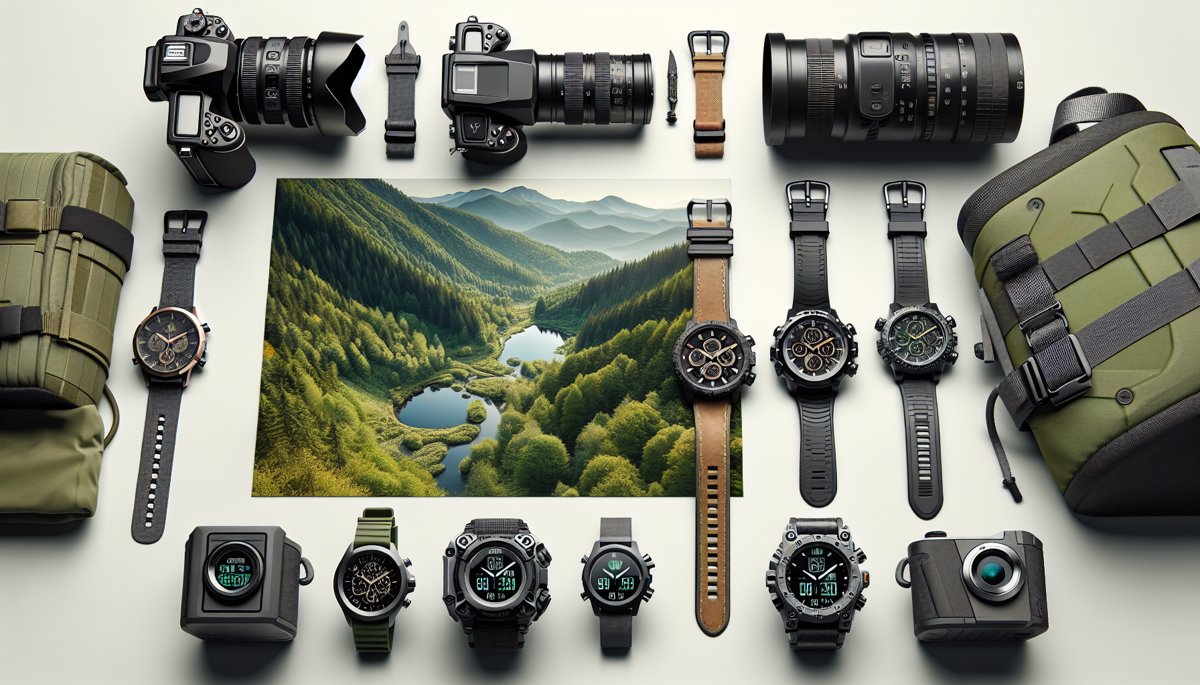

📌 Good to know — After 15 years exploring Quebec's trails and beyond, I've tested tons of GPS watches. Some saved me in tricky situations, others let me down at the worst moment. Here's my guide to the best hiking GPS watches 2026 to help you make the right choice.
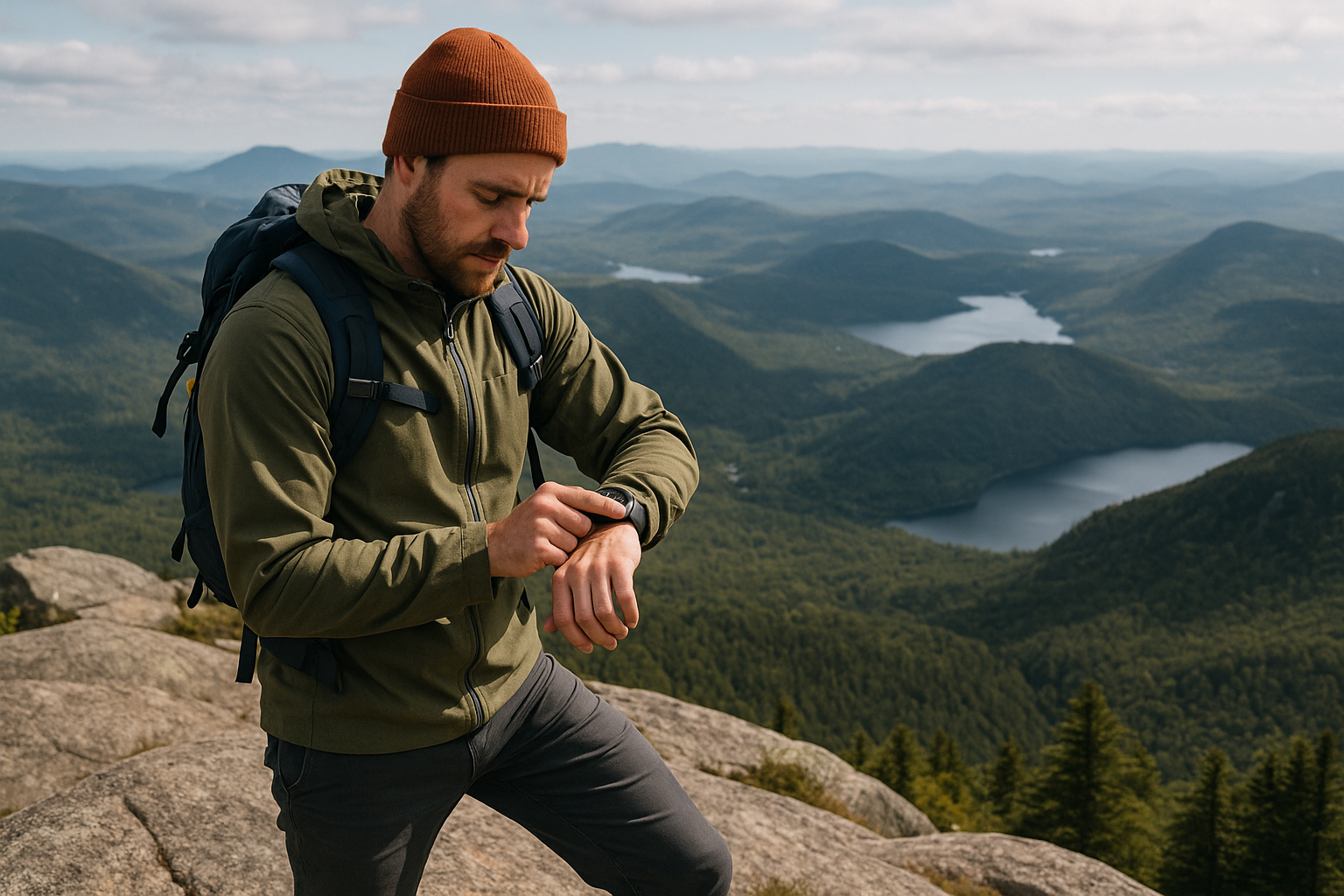
🏔️ The 5 Best Hiking GPS Watches in 2026
After months of intensive testing on different types of terrain - from easy trails at Parc national du Mont-Saint-Bruno to more challenging adventures like Mont Yamaska - here's my top 5 GPS watches that truly deserve your attention.| Model | GPS Battery | Display | Approximate Price |
|---|---|---|---|
| Garmin Fenix 8 | 48h | 1.4" AMOLED | $899-$1199 |
| Suunto Vertical | 60h | 1.4" color | $679-$849 |
| Coros Apex 3 | 75h | 1.3" MIP | $449-$599 |
| Polar Grit X2 Pro | 43h | 1.39" AMOLED | $749-$899 |
| Garmin Instinct 3 | 54h | 1.2" MIP | $399-$549 |
Garmin Fenix 8: The Absolute Reference
The Fenix 8 remains the reference watch for serious hikers. Its new dual-band GPS processor makes it incredibly accurate, even under dense forest cover. I was impressed by its ability to maintain signal in the most difficult sections. Strengths:
📥 Download our free gifts — Complete hiking equipment checklist, Quebec weather guide and maps of the most beautiful trails within 2h of Montreal.
Get my gifts →
Get my gifts →
Suunto Vertical: Finnish Endurance
Suunto hit hard with this watch designed specifically for mountain activities. Its 60 hours of GPS battery life makes it a perfect ally for long hikes or multi-day expeditions. What won me over: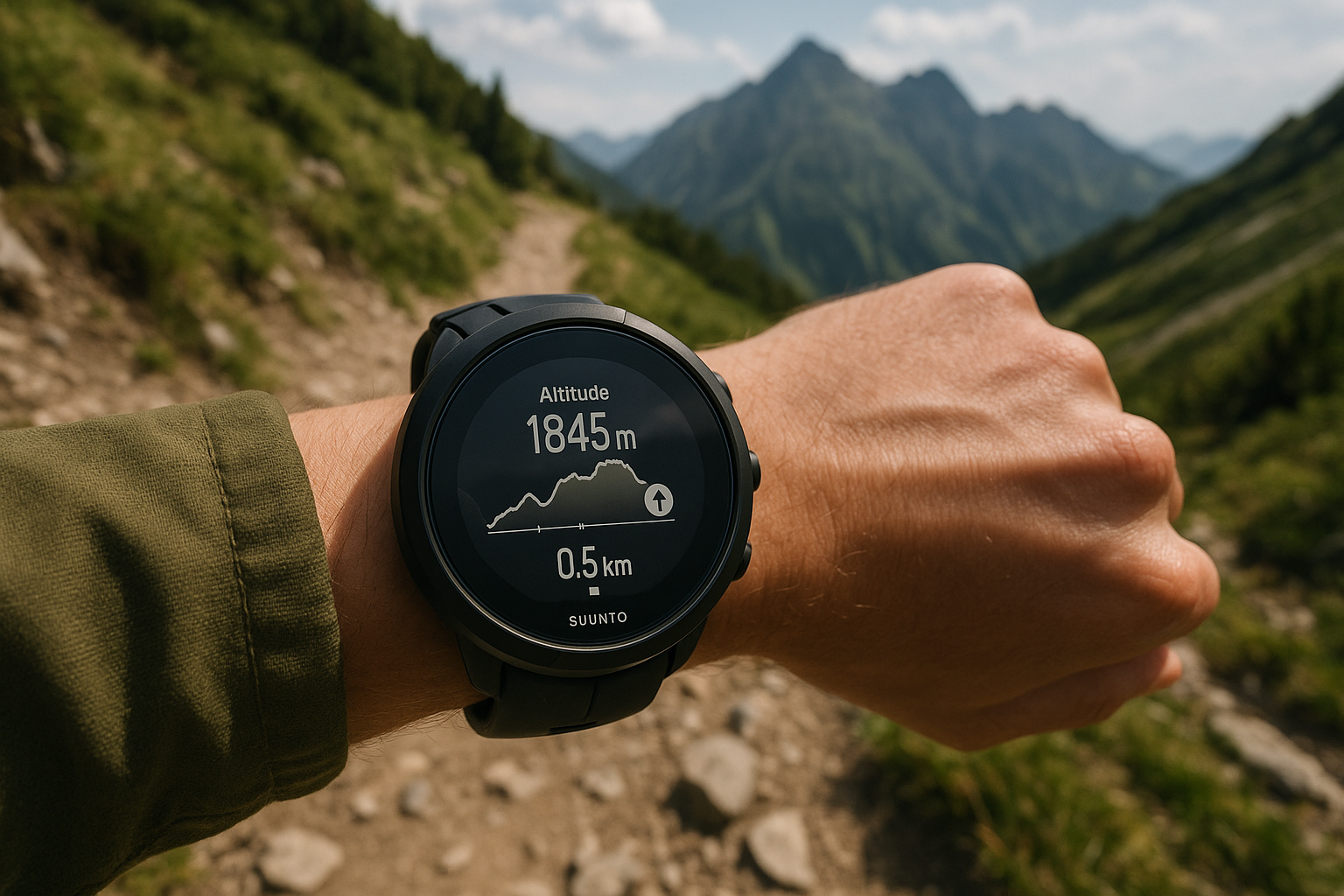
Coros Apex 3: The Battery Champion
If you're looking for a watch that will never let you down, the Coros Apex 3 and its 75 hours of GPS battery life will please you. It's my number one recommendation for hikers who go out for several days independently. Why I recommend it:
💡 Pro tip — To maximize your GPS watch battery life, activate power saving mode which reduces GPS acquisition frequency from 1 second to 10-30 seconds. You'll lose a bit in accuracy, but gain hours of use.
🎯 How to Choose Your GPS Watch According to Your Hiking Style
No need for the most expensive watch if you mainly do Sunday walks on marked trails. Here's how I analyze needs according to different hiker profiles.The Occasional Hiker (weekends, marked trails)
If you mainly explore places like Parc du Mont Arthabaska or urban trails, a watch with solid basic functions will be more than enough. My recommendations:The Adventurous Explorer (off-trail, multi-day)
For those who like to get off the beaten path or go out for several days, you need ultra-reliable equipment with maximum battery life. Essential features:The Technical Hiker (mountaineering, via ferrata)
Technical activities require specialized functions and bulletproof robustness."After testing more than 20 models in real conditions, I can tell you that a good GPS watch isn't a gadget, it's a real safety tool that can get you out of a bad situation."
⚙️ Essential Functions Not to Overlook
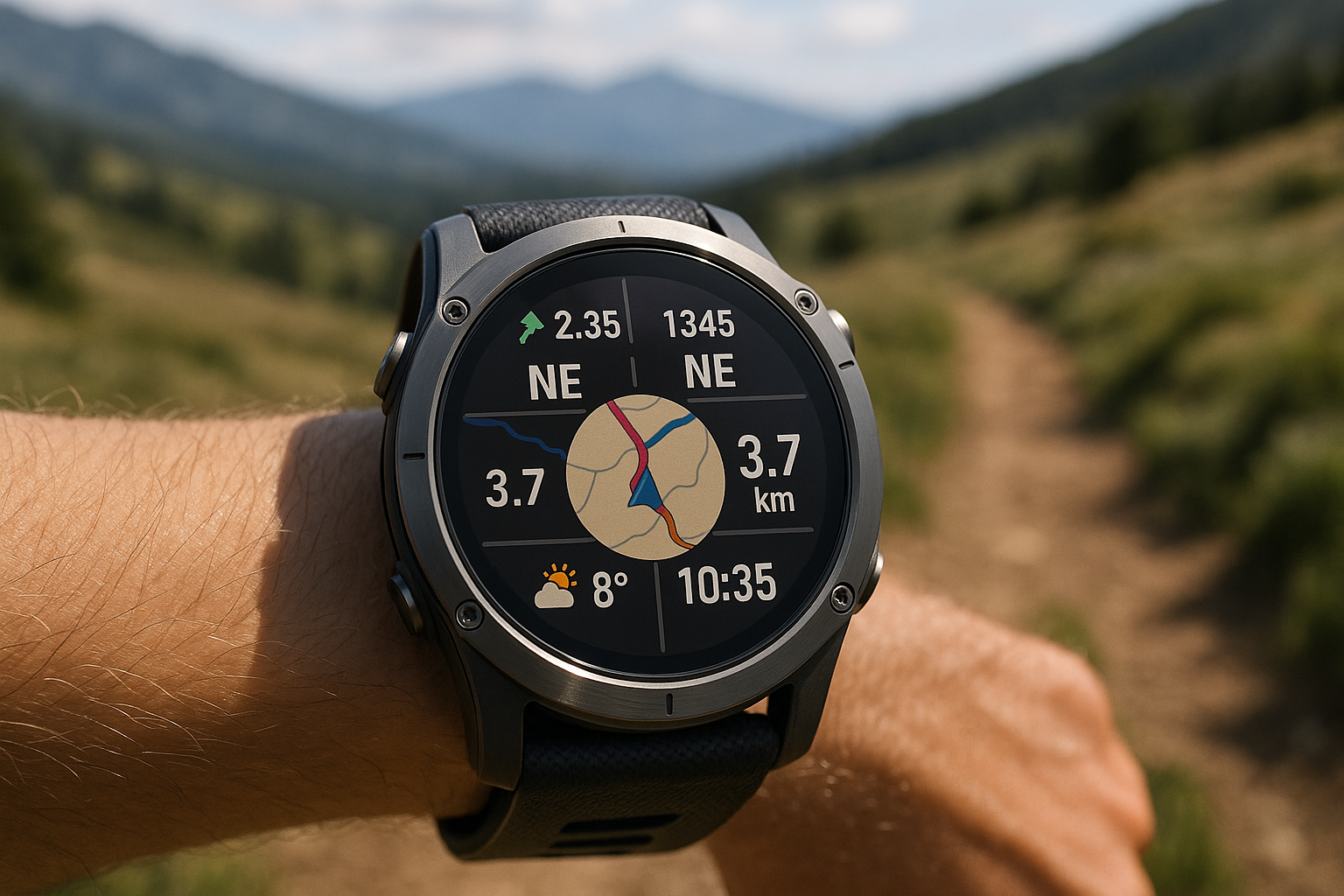
Navigation and Mapping
Multi-constellation GPS: Make sure your watch supports GPS + GLONASS + Galileo minimum. The difference in accuracy is notable, especially under forest cover. Preloaded maps: Having Quebec's topographic maps directly on the watch is peace of mind. No more depending on your phone. Breadcrumb trail: The function that automatically traces your route and lets you retrace your steps. I've used this function more often than I would have thought!Weather and Safety Functions
⚠️ Warning — A GPS watch never replaces adequate preparation and terrain knowledge. It's a complement to your skills, not a substitute.
Barometer and altimeter: Essential for anticipating weather changes. A rapidly dropping barometer in the mountains often signals incoming storms.
Storm alert: Some 2026 models now integrate real-time weather alerts via satellite. A real plus for safety.
SOS and incident detection: If you often hike alone, this function can literally save your life.
🔋 Battery Life: The Criterion That Can Change Everything
Battery life is THE criterion that makes the difference between a watch that follows you everywhere and one that lets you down at the wrong moment. Here's what I learned after draining my watch batteries at the worst possible moments!| Type of outing | Recommended battery life | Safety margin |
|---|---|---|
| 1-day hike (4-8h) | 15-20h | x2 minimum |
| Weekend camping (2 days) | 30-40h | x1.5 minimum |
| Expedition (3+ days) | 50h+ | Power saving mode essential |
My Tips to Maximize Battery Life
Before leaving:💰 Budget vs Performance: Finding the Sweet Spot
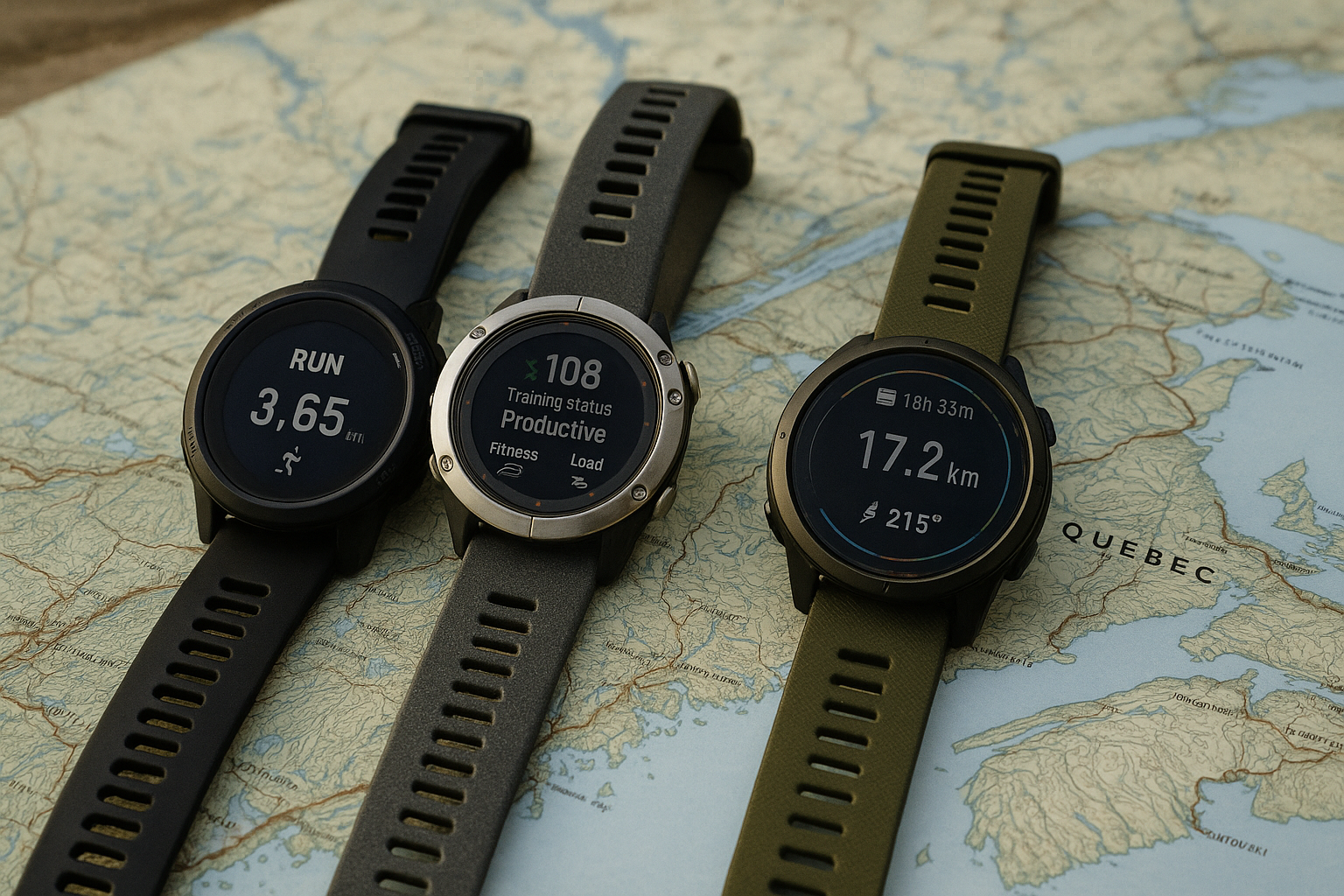
Tight Budget ($300-500)
In this range, the Coros Apex 3 clearly stands out. It offers high-end watch performance at an accessible price. It's the one I recommend most often to hikers starting with a GPS watch. Interesting alternatives:Medium Budget ($500-800)
Here, you enter the territory of truly versatile watches. The Suunto Vertical or Polar Grit X2 Pro offer an excellent balance between features and price.High Budget ($800+)
If you can afford it and hike regularly, the Garmin Fenix 8 remains the safest investment. It will last you years and evolves with software updates.
💡 Pro tip — Always buy your GPS watch just before hiking season (March-April). Retailers often have promotions to clear previous year's stock.
📱 Connectivity and Ecosystem: Beyond the Watch
A modern GPS watch is much more than a simple satellite receiver. The app ecosystem and connectivity can really enrich your hiking experience.Companion Apps
Garmin Connect: The most comprehensive app on the market. Detailed performance analysis, route planning, active community. Suunto App: Clean and intuitive interface. Excellent for visualizing your routes in 3D. Coros App: Simple but effective. Focuses on essentials without frills.Integration with Other Tools
Think about checking compatibility with apps you already use. If you plan your hikes on AllTrails or Gaia GPS, make sure you can easily sync your routes. To deepen your preparation, I recommend checking out our guide to essential questions to ask yourself before leaving for a hike.🧭 GPS Accuracy: What Really Counts in the Field
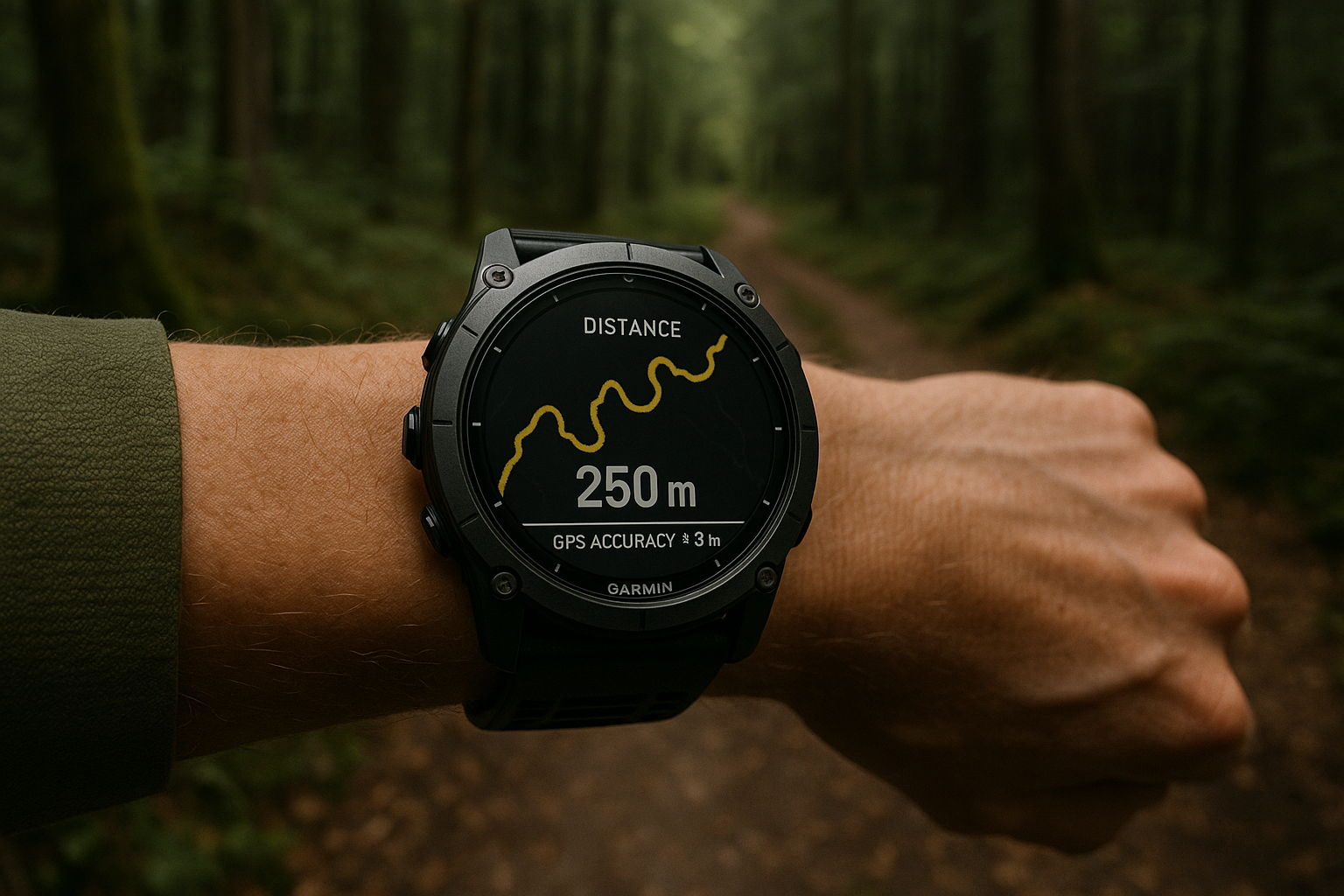
Dual-band vs Single-band
Dual-band watches (L1 + L5) are significantly more accurate, especially in difficult environments like canyons or under dense forest cover. I tested this in the gorges of Canyon Sainte-Anne: striking difference! When it really makes a difference:Multi-constellation: More Satellites = More Accuracy
A watch that receives GPS + GLONASS + Galileo + BeiDou will have access to more than 100 satellites simultaneously. Result? Faster acquisition and improved accuracy.
📌 Good to know — GPS accuracy improves considerably after the first 5-10 minutes of use. Always start your watch a few minutes before leaving to give satellites time to synchronize.
🛡️ Robustness and Durability: Surviving Quebec Elements
Our Quebec conditions put equipment to the test. Between -30°C in January and humid +35°C in July, not to mention rain, snow and impacts, your GPS watch must be really tough.Certifications to Look For
MIL-STD-810G: US military standard. Resistance to shocks, vibrations, extreme temperatures. 10ATM: Water resistance up to 100m depth. Perfect for hiking in the rain or stream crossings. Reinforced screen: Gorilla Glass or sapphire to resist scratches and impacts.My Personal Robustness Test
I "tortured" my test watches for 6 months: falls on rock, accidental immersion, repeated freeze-thaw cycles. Only watches with military certification passed all my tests without flinching. If you want to know more about hiking safety, our guide on how to cross waterways safely might interest you.🎨 Readability and Interface: See Clearly in All Conditions
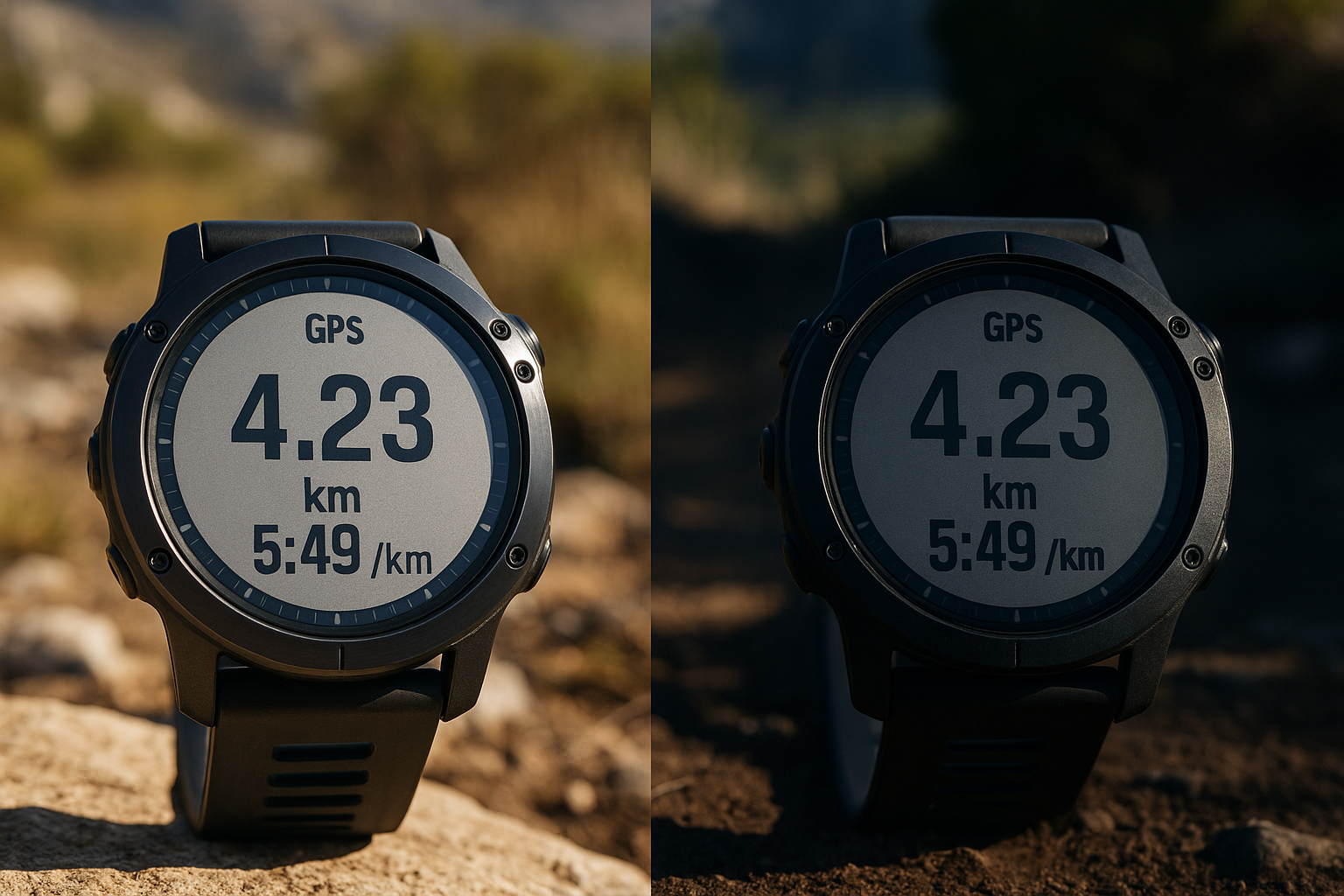
Screen Types
AMOLED: Vivid colors, excellent contrast, but can be difficult to read in bright sunlight and consumes more energy. MIP (Memory-in-Pixel): Less colorful but readable even in bright sunlight and very energy efficient. My choice for hiking. Color LCD: Good compromise between readability and battery life.User Interface
A complex interface becomes frustrating when you're tired, stressed or wearing gloves. Prioritize simplicity and intuitiveness. My essential criteria:🔄 Updates and Evolution: A Long-term Investment
A quality GPS watch is an investment for several years. Make sure the manufacturer has a good software update policy and feature additions.Software Support
Garmin: Leader in regular updates and new feature additions. Suunto: Good updates, but less frequent than Garmin. Coros: Excellent support for a newer brand.Typical Lifespan
From my experience, a well-maintained quality GPS watch can easily last 5-7 years with optimal performance. The investment is well justified over this duration.🌟 My Final Recommendations According to Your Profile
After all these tests and analyses, here are my concrete recommendations according to different Quebec hiker profiles. For the beginner hiker who wants reliable without breaking the bank: Coros Apex 3 - Record battery life, simple interface, unbeatable price. For the adventurer who goes off the beaten path: Suunto Vertical - Nordic robustness, excellent mapping, 60h battery life. For the perfectionist who wants the best of the best: Garmin Fenix 8 - The absolute reference, all imaginable functions, maximum precision. For those who prioritize value for money: Garmin Instinct 3 - Legendary robustness, essential functions, contained price. For the occasional urban hiker: Polar Grit X2 Pro - Refined design, good performance, daily versatility.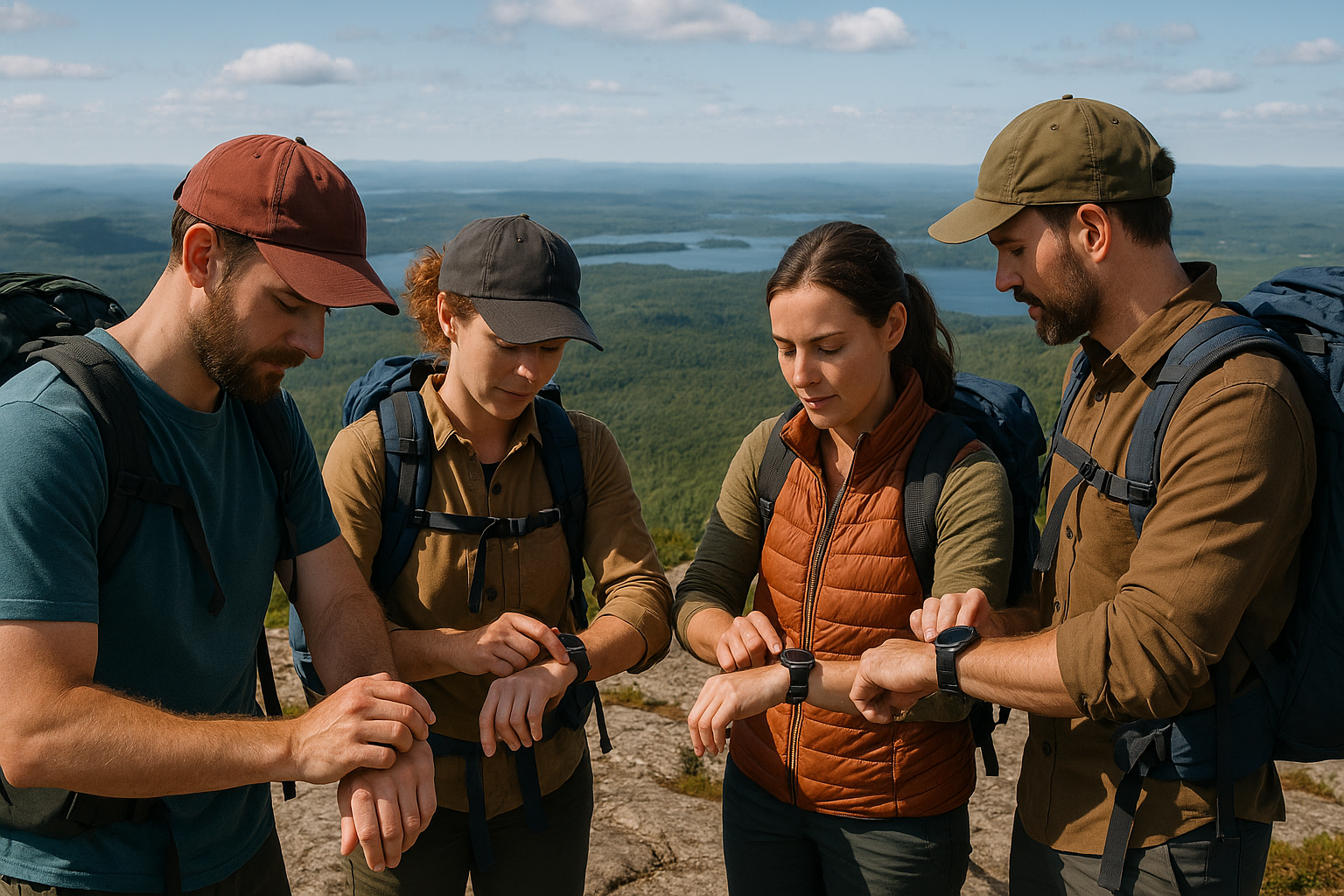
Conclusion: Your Next Adventure Awaits
Choosing your GPS watch is like choosing your hiking shoes: it needs to match your style and your real needs. Key points to remember: • Battery life is the number one criterion - always plan a safety margin • Dual-band GPS accuracy really makes a difference in difficult terrain • Robustness is essential for our demanding Quebec conditions • Budget shouldn't be the only criterion - it's a long-term investment • Ecosystem and updates matter for durability My personal recommendation? If it's your first GPS watch and you hike regularly, go with the Coros Apex 3. It offers 90% of high-end watch functions at half the price. Now, stop hesitating and go explore! Whether on the easy trails of the top 15 easy trails around Montreal or on more challenging adventures, your new GPS watch is waiting for one thing: to accompany you on your next adventures. The mountains are calling, and now you have the perfect tool to answer safely! 🏔️Newsletter
Content that makes you want to go outside
Every week, a trail idea, a reflection on nature, or a tip worth the detour. Zero spam. Only the essentials.
Joined by 12,000+ outdoor enthusiasts
Read next
Continue the journey
Comparatif
•Complete Comparison of the Best 2-Person Tents: MSR Hubba Hubba, Big Agnes Copper Spur and Nemo Dagger Field Tested
Comparatif
•Decathlon vs MEC vs Altitude Sports: Complete Comparison of Canada's 3 Outdoor Gear Giants
Comparatif
•