🍂 Why is fall the perfect season to prepare your autumn hiking?
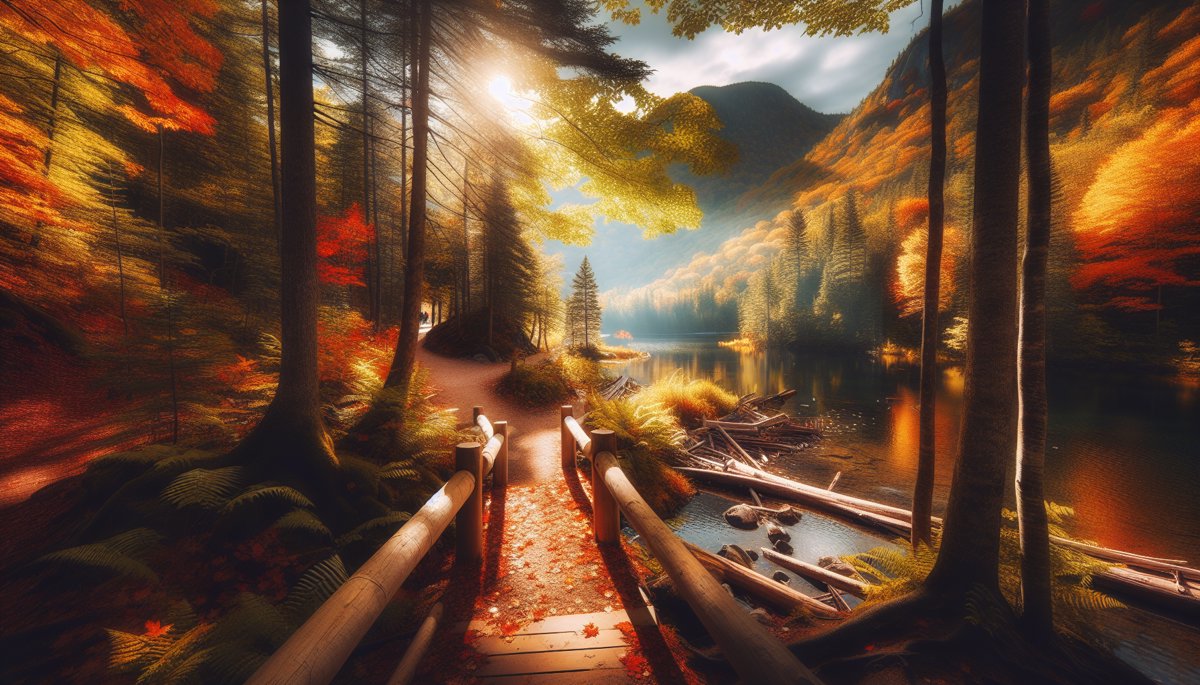
Fall in Quebec is something magical. After 15 years exploring our trails, I can tell you it's my favorite season to explore nature. The flaming colors, the crisp air that stings your cheeks, and that golden light that transforms every outing into a postcard... But watch out! Preparing your fall hiking season requires a different approach than summer. I learned the hard way that fall can be treacherous. A sunny morning can quickly turn into a chilly afternoon, and trails wet with dew become slippery as an ice rink. That's why good preparation makes all the difference between a memorable outing and a forest nightmare. In this guide, I'll share everything I've learned to fully enjoy Quebec's fall. You'll discover how to adapt your equipment, choose the right trails, and most importantly, how to avoid the classic traps of this magnificent but capricious season.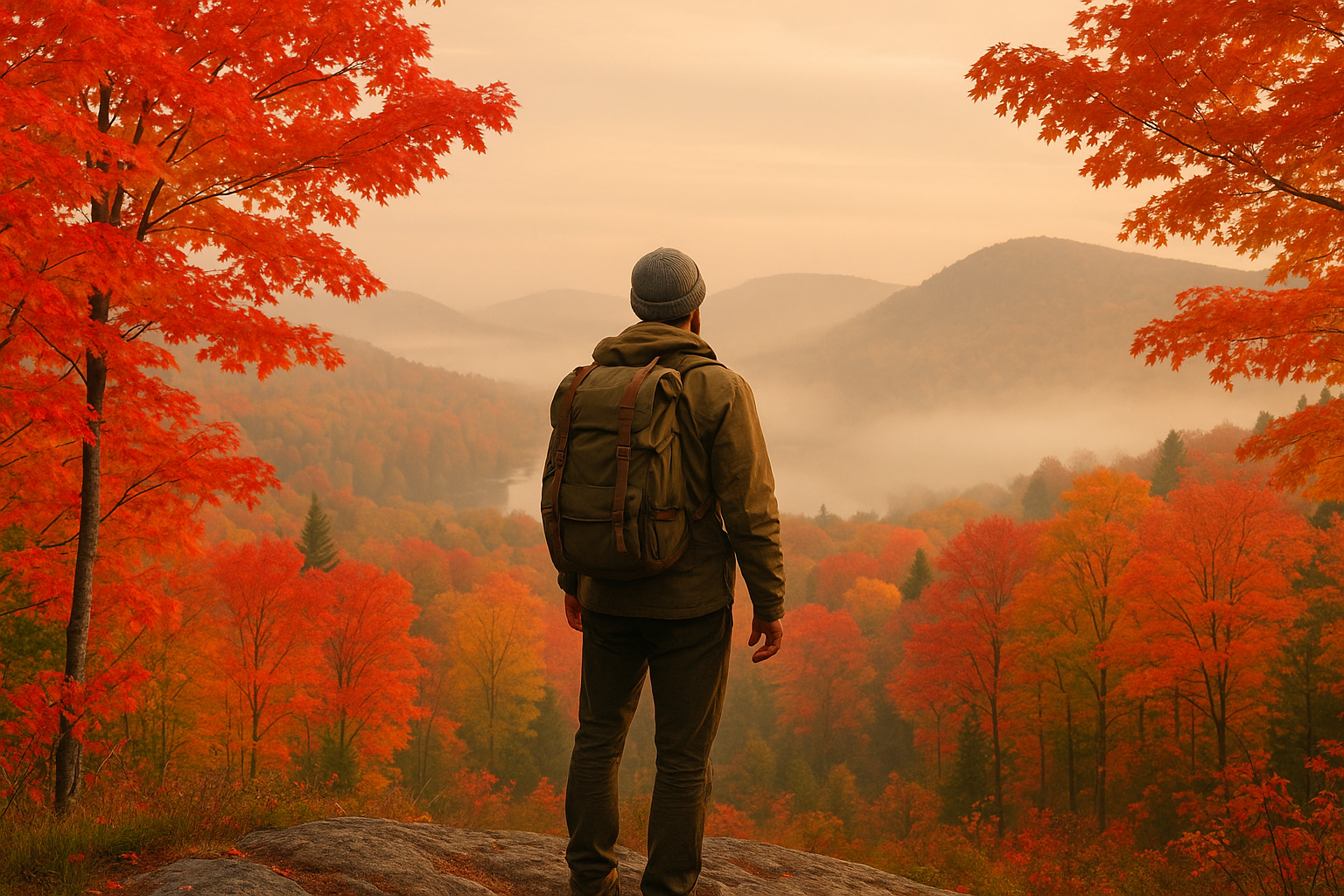
📥 Download our free gifts — Complete checklists, seasonal PDF guides and practical tools to prepare your fall outings like a pro.
Get my gifts →
Get my gifts →
🌡️ How to adapt to autumn temperature changes?
Fall is the season of extremes. You can leave in a t-shirt in the morning and find yourself shivering in the afternoon. The key is the layering system - and believe me, I learned this lesson the hard way during an outing at Mont Yamaska where I almost turned into an icicle!The three-layer system that saves lives
Base layer: A layer that wicks moisture. Forget cotton - it's your enemy in fall. Favor merino wool or synthetic fibers. Insulating layer: A light fleece or compressible down. The idea is to be able to easily remove or put it back on depending on effort. Outer layer: A waterproof windbreaker. No need for a winter coat, but something that blocks wind and light rain.
💡 Pro tip — I always have a light toque and thin gloves in my bag, even when it's 15°C at departure. It weighs nothing and can save your outing if the temperature drops.
Managing morning humidity
Fall mornings are often humid. Dew transforms rocks and roots into slippery traps. I've seen so many people fall because they underestimated this humidity! My tricks: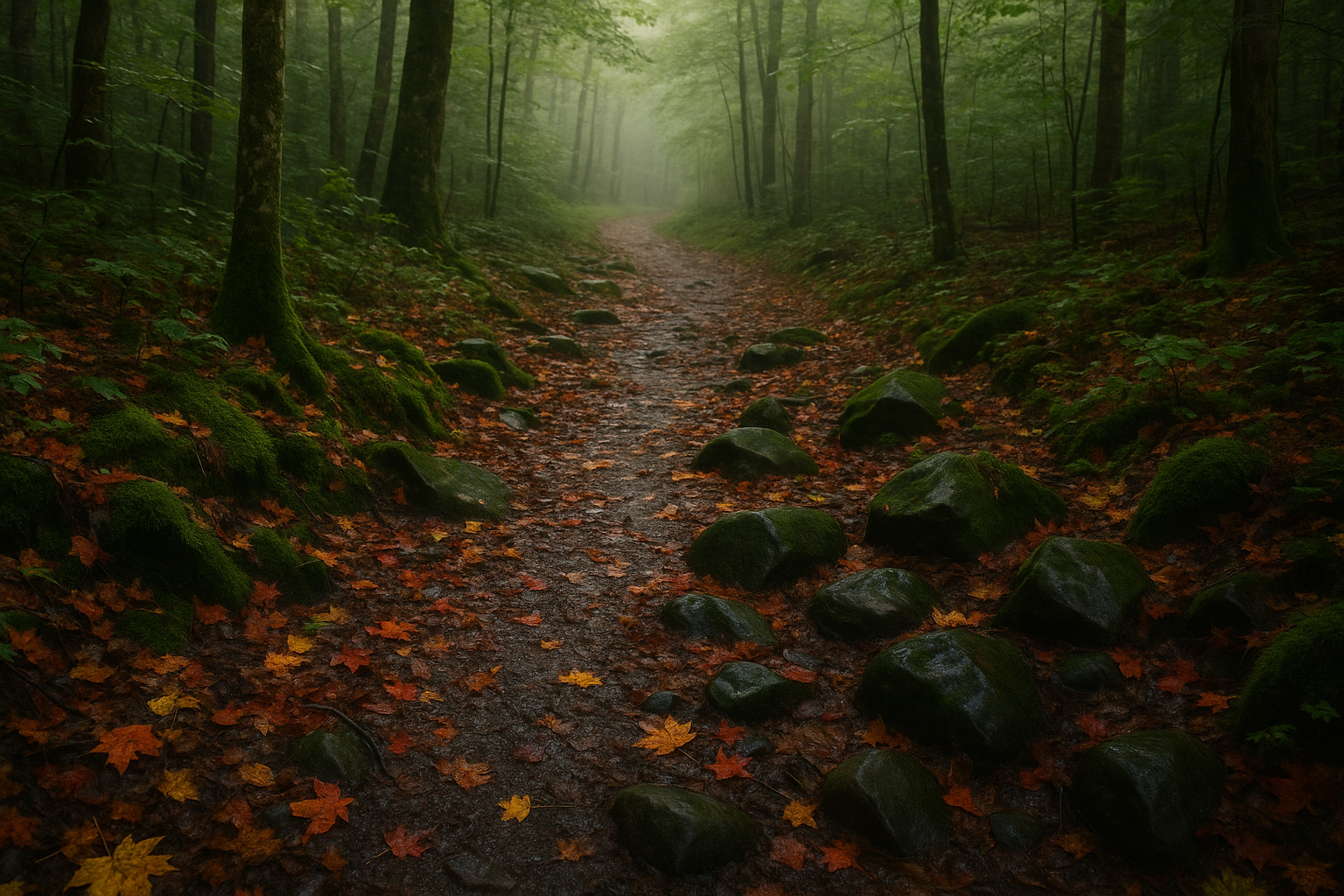
🥾 What equipment to prioritize for fall hiking?
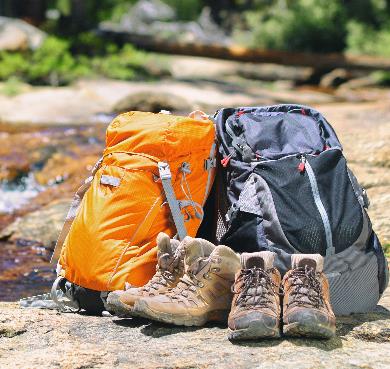
Fall equipment is quite an art. You need to be ready for four seasons in the same day! After testing quite a bit of gear over the years, here's what really makes the difference.Shoes: grip and waterproofing
Shoes are your life insurance in fall. Wet trails and dead leaves create super slippery conditions.| Shoe type | Advantages | Disadvantages |
|---|---|---|
| Waterproof trail runners | Light, breathable, quick drying | Less ankle support |
| Mid hiking boots | Excellent support, durability | Heavier, drying time |
| Gore-Tex membrane shoes | Waterproof, versatile | Less breathable during effort |
The backpack: thinking about fall extras
Your fall pack needs to be slightly bigger than in summer. You're carrying more layers, more safety equipment. The extra essentials:
⚠️ Warning — Never forget your headlamp in fall. I once had to finish a hike at Canyon Sainte-Anne in complete darkness. Not fun!
Accessories that make the difference
Gaiters: To prevent leaves and debris from getting into your boots. It might seem like a gadget, but it's a game-changer on trails covered with dead leaves. Trekking poles: Even more useful than in summer with all the slippery obstacles. They help you test terrain stability before placing your foot. Touchscreen gloves: To be able to use your phone without taking them off. Handy for photos or checking the LGPO app!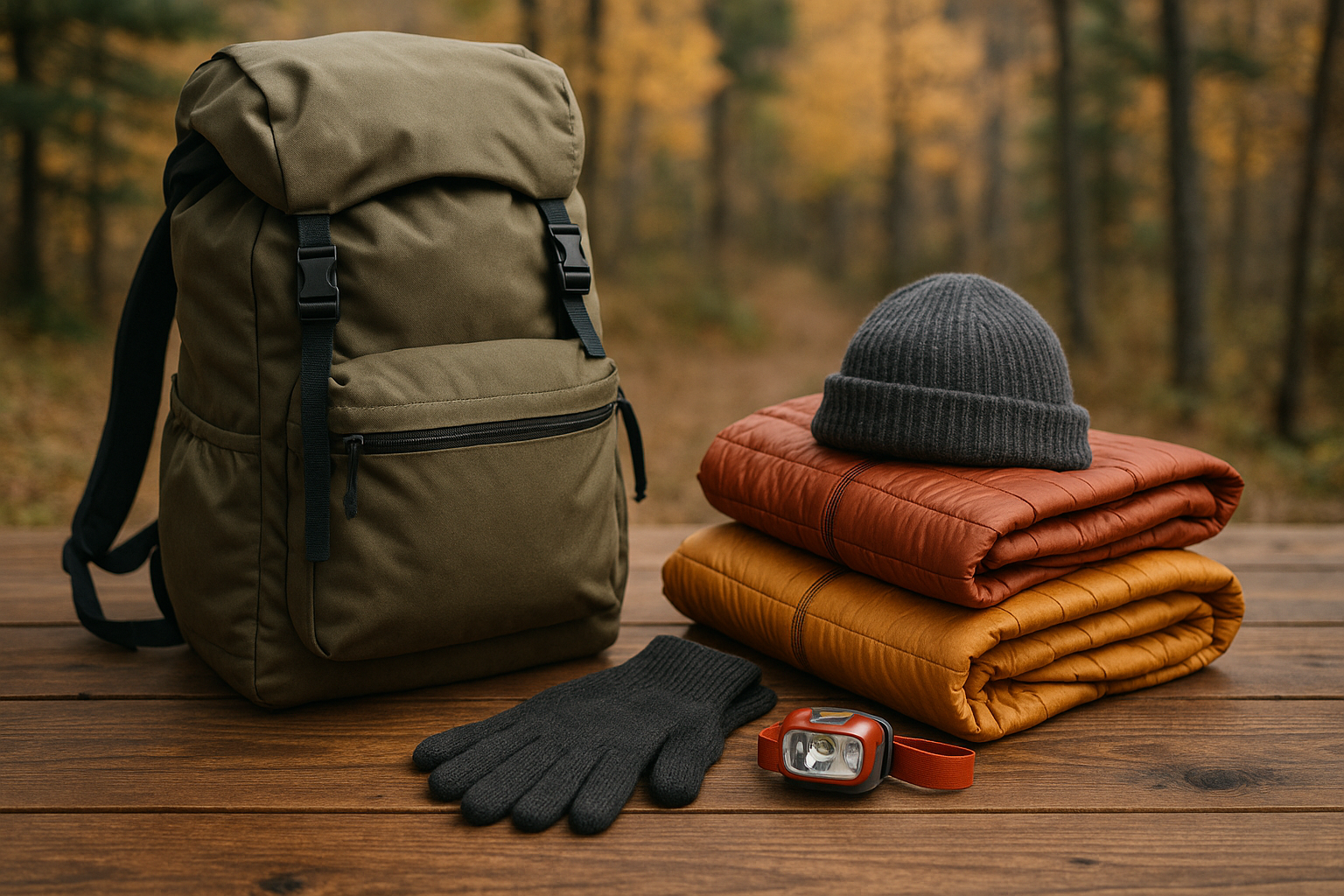
🗺️ How to choose your trails according to autumn conditions?
Not all trails are equal in fall. Some become downright dangerous with wet conditions, while others reveal their true beauty. Here's how to make the right choices.Prioritize well-maintained trails
In fall, opt for trails with good drainage and regular maintenance. National parks and popular trails are generally your best bets. My fall favorites:Avoiding fall traps
Exposed rocky trails: With dew and first frosts, they become ice rinks. If you go anyway, make sure you have shoes with insane grip. Stream crossings: Water levels can change rapidly with fall rains. If you want to know more about water safety, check out my guide on how to cross a stream safely. Poorly marked trails: With falling leaves, visual landmarks change. Stay on well-marked trails, especially if you're a beginner.
📌 Good to know — Dead leaves can hide holes, unstable rocks or roots. Always walk carefully and test your footing before putting your full weight.
Optimal timing for colors
Mid-September to mid-October: This is the magic window in Quebec. But it varies according to altitude and region.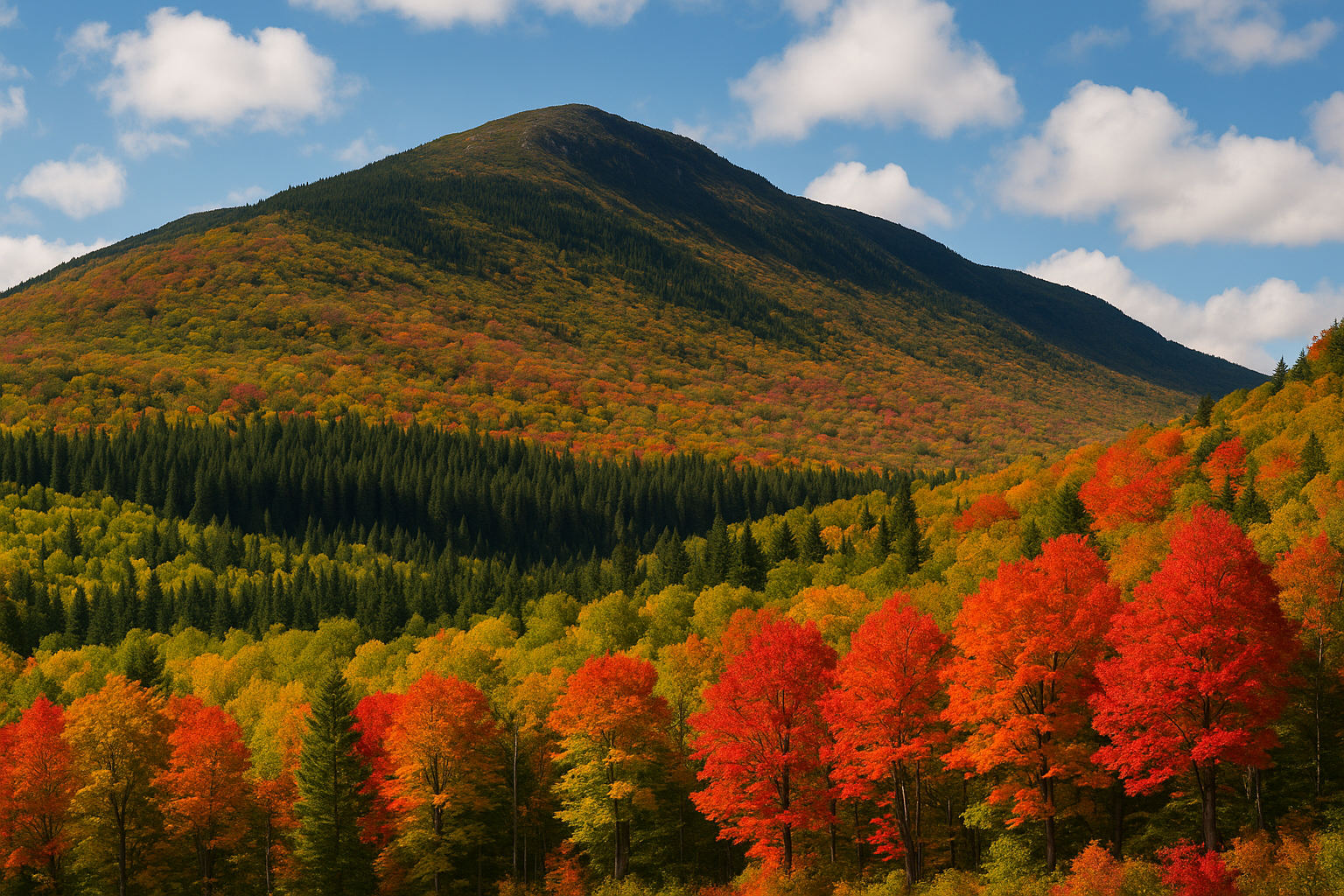
⏰ What planning to adopt for your fall outings?
Planning in fall is critical. Days get short fast and weather can change completely. A poorly planned outing can quickly turn into a nightmare.Managing decreasing light
In September, you lose about 3 minutes of light per day. It might seem little, but it adds up fast! By late October, it's dark around 6 PM. My planning system: 1. Calculate your walking time with 15-20% margin 2. Add photo time (because you'll want to immortalize these colors!) 3. Plan 1 hour buffer before sunset 4. Leave earlier than in summer, even for the same distancesWeather: the art of reading between the lines
Weather forecasts in fall are often complete nonsense. A "sunny" day can hide surprises.| Weather condition | What it really means | Preparation |
|---|---|---|
| Sunny 15°C | Can drop to 5°C in shade | Multiple layers mandatory |
| Cloudy | Risk of sudden drizzle | Waterproof windbreaker |
| Isolated showers | You'll probably get wet | Complete rain gear |
💡 Pro tip — I always check 3 different weather sources and prepare for the worst scenario. Better to be too hot than too cold!
Plan B: always have a backup outing
Always keep a plan B up your sleeve. If your main trail is impassable, you don't want to go home empty-handed! My favorite plan Bs near Montreal: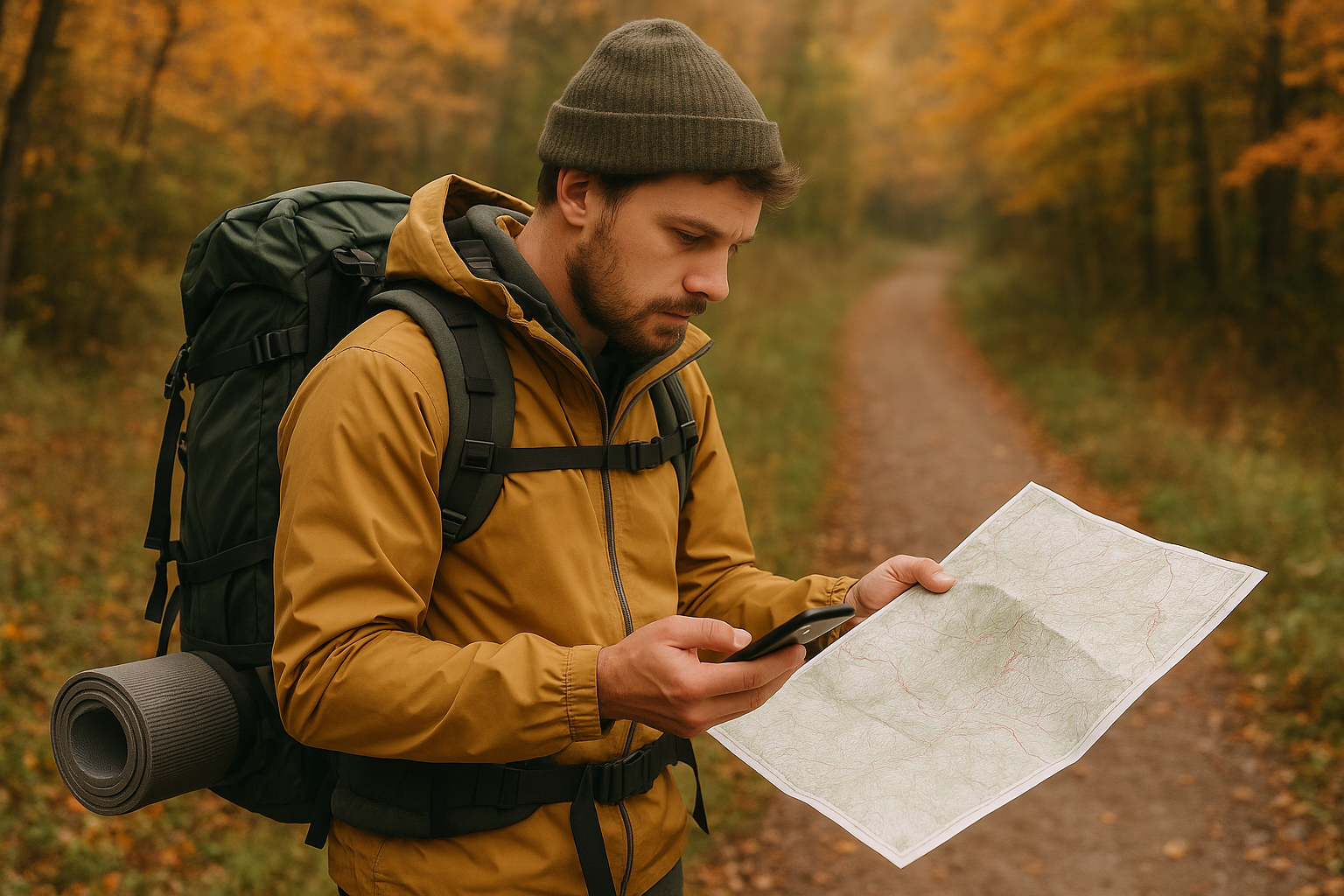
🛡️ What are the specific safety challenges of fall?
Fall is beautiful, but it hides vicious traps. I've seen more accidents in fall than in midsummer, and it's rarely because of trail difficulty, but rather changing conditions.Hunting: an often forgotten factor
Moose hunting season: Generally late September to mid-October. Deer hunting season: October-November. These dates vary by zone, but it's a crucial element to consider. My hunting safety rules:Slips and falls: danger #1
Wet leaves are treacherous as anything. They hide obstacles and create a slippery surface. I once saw someone break their ankle on an "easy" trail because of a simple root hidden under leaves. Anti-fall strategies:
⚠️ Warning — Wooden culverts become super slippery with fall humidity. I experienced this at Chutes Jean Larose - not fun at all!
Hypothermia: the silent killer
Hypothermia can strike even at 10°C if you're wet and tired. The signs are often subtle at first: shivering, slight confusion, clumsiness. Hypothermia prevention:Fall wildlife: different behaviors
Animals are preparing for winter and can be more aggressive or unpredictable. Bears are accumulating reserves, moose are in rut... Wildlife precautions: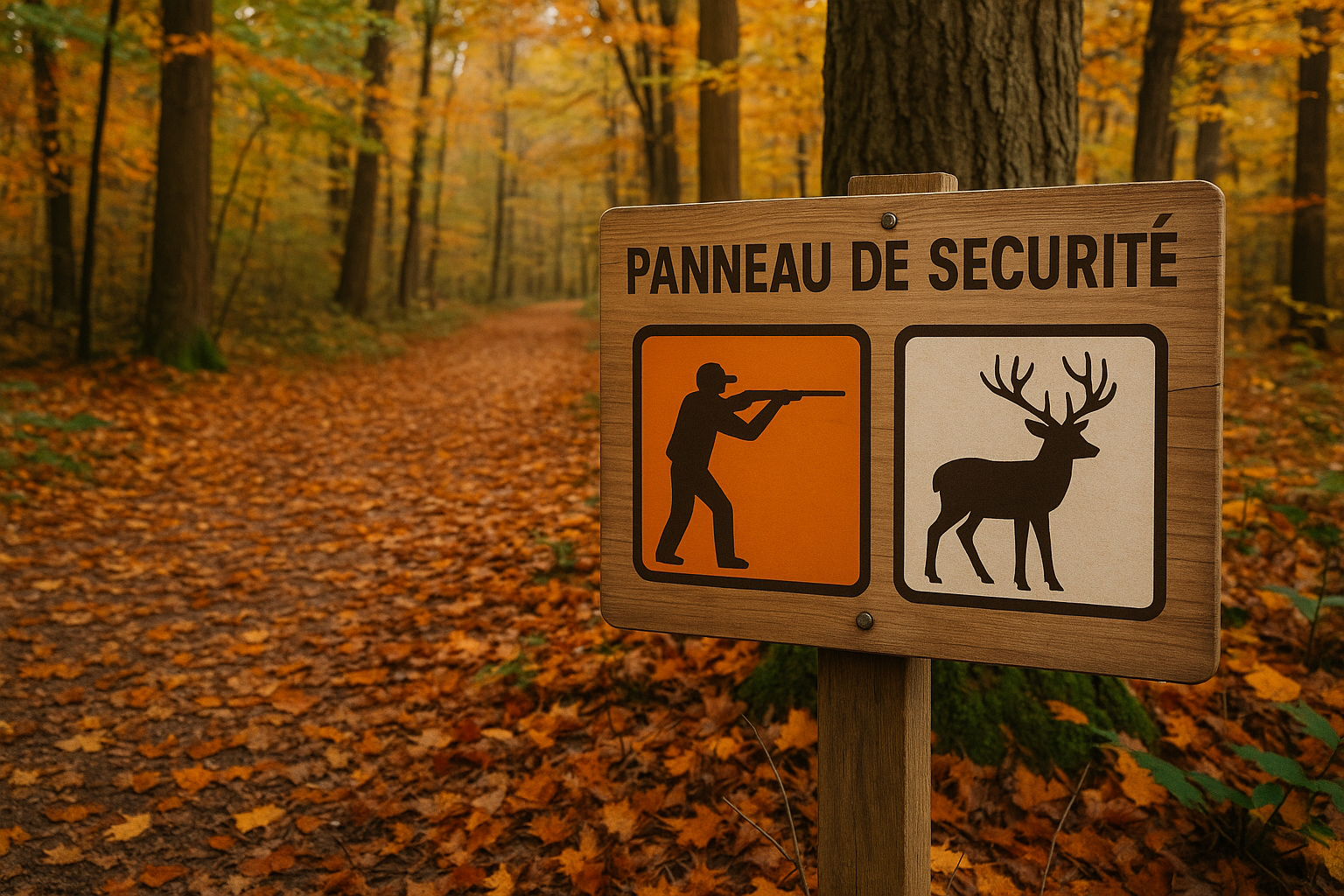
📸 How to fully enjoy the autumn experience?
Fall isn't just a hiking season - it's a complete sensory experience. After all these years on the trail, I've developed some tricks to really savor this magical period.Photography: capturing the magic
Golden hour in fall is something extraordinary. Light filtered through colored leaves creates dreamy atmospheres. My fall photo tips:
📌 Good to know — Your phone consumes more battery in cold weather. Bring an external battery and keep your device warm against your body between shots.
Sensory experience: beyond the visual
Fall isn't just beautiful to look at. The sounds, smells, sensations... everything is different and magical. Take time to:Autumn bonus activities
Responsible foraging: Mushrooms, cranberries, hazelnuts... But check park regulations first! Wildlife observation: Animals are more active before winter. Bring binoculars to observe migrating birds. Campfire: If permitted, a small fire at day's end with hot chocolate is heaven on earth.Creating autumn traditions
Make your fall outings special moments. I have my annual color outing with my family at Parc National des Hautes-Gorges. It's become a ritual we look forward to all year! Tradition ideas:"Fall in Quebec is like nature decided to put on its end-of-year show. Every outing becomes a unique spectacle."
🍂 Conclusion: Fall awaits you, are you ready?
There you have it, you now have all the keys to fully enjoy the most spectacular season in Quebec! Preparing your fall hiking season isn't rocket science, but it requires attention to detail. Essential points to remember: • Layering system: The key to adapting to temperature variations • Adapted equipment: Shoes with grip, headlamp, and extra layers • Trail choice: Prioritize well-maintained trails and avoid wet traps • Tight planning: Account for shortening days and capricious weather • Enhanced safety: Watch for hunting, slips and hypothermia risks Quebec fall is a gift from nature that we're lucky to have. These flaming colors, this golden light, this invigorating freshness... it's all waiting for us just at the end of the trail. So what are you waiting for? Choose a trail, prepare your pack, and go live your own autumn adventure! Whether it's a family walk at Mont-Royal or a more challenging expedition in Charlevoix, the important thing is to get out and savor this magical season. Fall passes quickly - in a few weeks, it'll be winter. Don't let this window of beauty close without having enjoyed it. Your most beautiful hiking memories are waiting for you outside!
About the author
François Dumaine
Founder of Let's Go Play Outside
A passionate hiker, photographer and content creator, François has been hiking the trails of Quebec and Alberta since 2014. He founded Let's Go Play Outside to give you the information he wished he had before heading out.
Newsletter
Content that makes you want to go outside
Every week, a trail idea, a reflection on nature, or a tip worth the detour. Zero spam. Only the essentials.
Joined by 12,000+ outdoor enthusiasts
Read next